Technology 4 min read By Arthur Ellington
Moscow Teen Case Exposes the Governance Gap Between Facial Recognition and Police Action
A family says an 85–90% AI match led officers to the wrong 15-year-old. The technology claim is unconfirmed, but the case highlights the need for human verification.
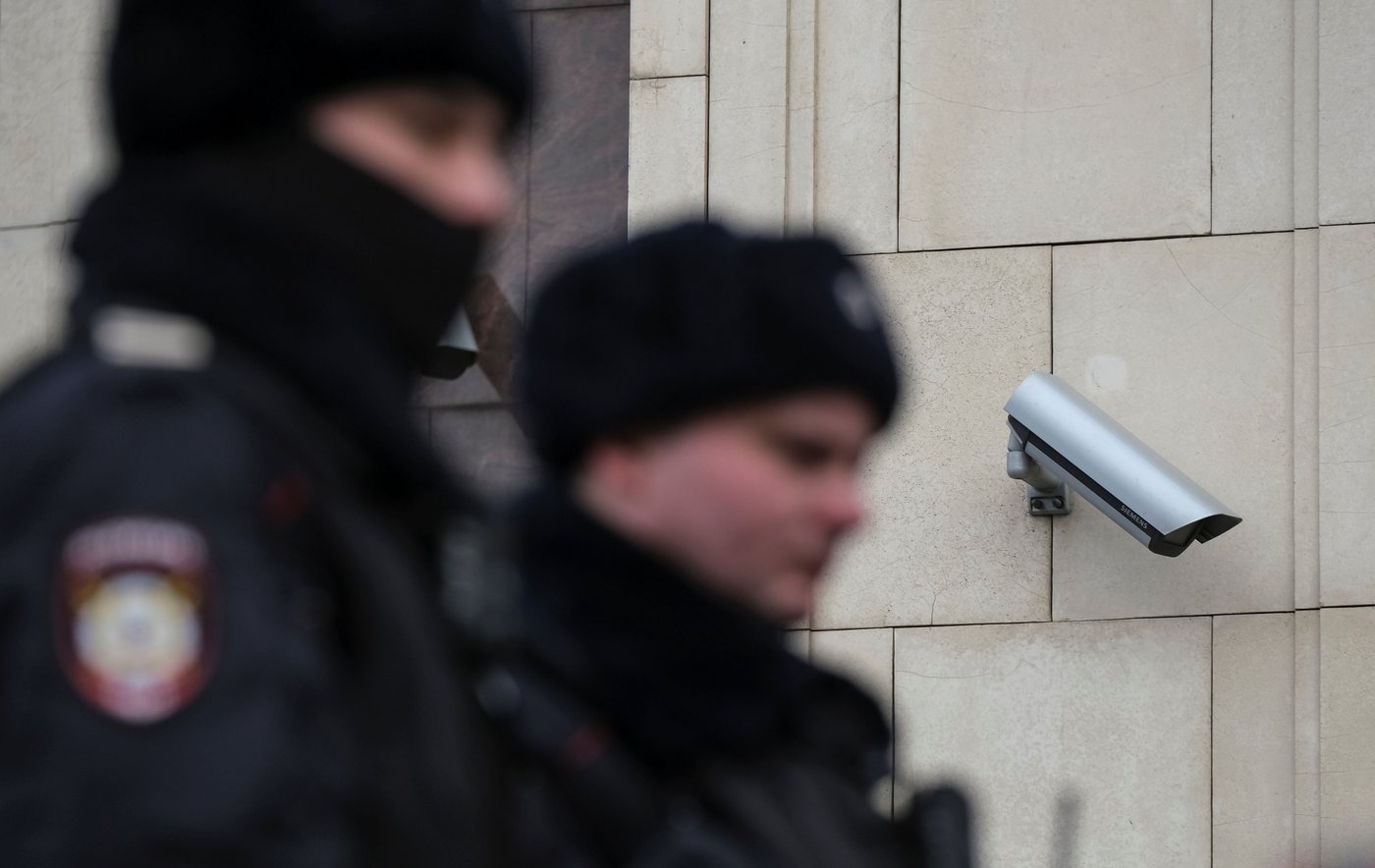
The disputed detention of a 15-year-old in Moscow is a useful institutional test of what happens between an automated alert and a coercive police action. The family says an artificial-intelligence system identified the schoolboy as an 85–90% match to a suspect. The police have not publicly confirmed that technical detail, but the underlying mistaken detention was reported soon after it occurred.
Novaya Gazeta Europe said the boy was stopped on Garibaldi Street on May 4 while walking to school. Citing his mother and an initial Ostorozhno Media report, it said plainclothes officers knocked him down, bound him and transported him to a police unit. The mother said officers later established that he had been mistaken for someone else.
The father’s more recent account adds the alleged algorithmic link. He told Ostorozhno Media that the teenager was questioned about suspected drug distribution and that police eventually contacted the mother. According to the family, officers told her their system had found an 85–90% match with a person in an alert. Neither the system’s name nor its technical output has been published.
For an institution deploying facial recognition, that missing context is crucial. A similarity score only has operational meaning when paired with a defined threshold, a known algorithm and a procedure for reviewing candidates. NIST’s current one-to-many facial-recognition evaluation measures false positive identification rates precisely because a database search can return the wrong person. Thresholds are set differently across systems and use cases.
Moscow’s authorities have made facial recognition a routine part of some security operations. The city transport portal describes Sfera, a system operating in the Metro that checks biometric templates against databases of wanted people and alerts police. There is no evidence that Sfera was used in this street detention, but it demonstrates the institutional model: software creates a lead and officers act on it.
The critical governance question is what controls sit between those two steps. A robust process can require secondary checks, documentary identification, visual review and an assessment of whether the person’s age and circumstances are consistent with the wanted record. A weak process can turn a ranking score into de facto identification before those questions are asked.
The consequences in this case are disputed but serious. Novaya Gazeta Europe reported a concussion diagnosis after the teenager’s release. Ostorozhno Media’s later account cites medical records describing additional injuries. The family alleges that force was used during the arrest and transport.
Police, in a written response quoted by the family, say the boy actively resisted, injured officers and attempted to flee, making physical force and combat restraint techniques necessary. The family rejects that version. The parents have filed complaints, and Ostorozhno Media says the Investigative Committee’s review has not yet produced a final result for them.
Moscow police are also operating under significant staffing pressure. Police chief Oleg Baranov told the city legislature in March that the force was about 30% understaffed, with shortages reaching 50% in some units. Staffing may affect workload and reliance on automated tools, but it does not resolve questions of procedure or proportionality.
If the AI claim is substantiated, the important failure will not be reducible to a single bad algorithmic score. It will concern the institution around the score: who saw it, how it was interpreted, what verification was required and whether officers had an effective way to stop an automated lead from becoming a wrongful detention.
56