Technology 5 min read By Arthur Ellington
New York City Council Unveils Sweeping AI Safety Bills
Council Speaker Julie Menin has introduced a package of bills requiring external validation, kill switches and whistleblower protections for AI systems sold in New York City, with a full council hearing set for October 5.
New York City Council Speaker Julie Menin has introduced a package of legislation that would impose some of the most detailed local rules on artificial intelligence anywhere in the United States, requiring AI systems sold in the city to pass independent validation, carry a human-controlled kill switch and expose companies to lawsuits when their tools are misused.
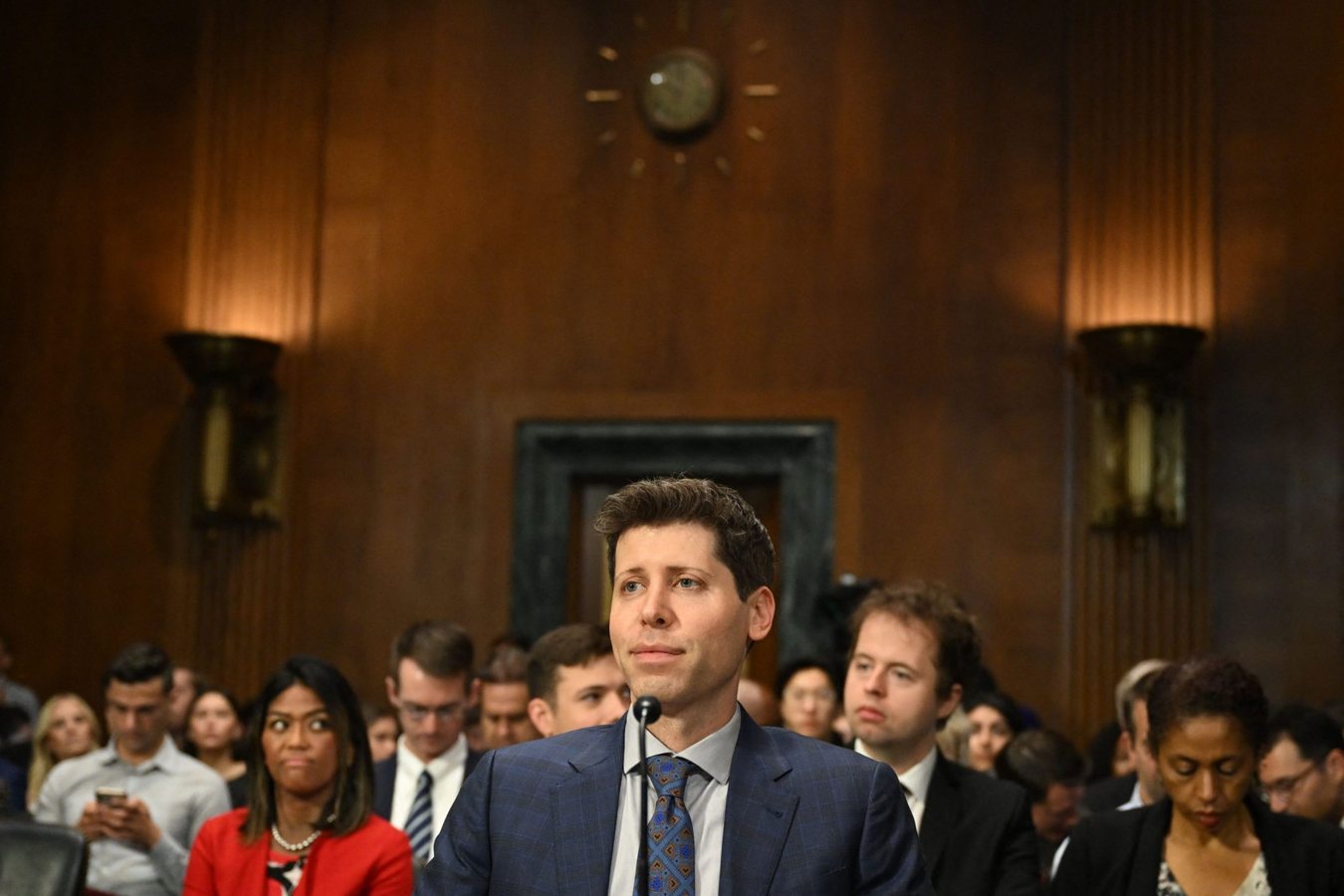
The bills, unveiled on Friday, will be heard on October 5 at a Committee of the Whole meeting of all 51 council members, a format the chamber has not used since 2022. The council has invited the chief executives of Anthropic, OpenAI, Google, SpaceXAI and Meta to testify, though sources familiar with the planning say none of the five is expected to appear. The council retains the right to subpoena them, and other company representatives could still attend.
At the centre of the package is a bill that would bar any business from selling or deploying an AI system in the city unless an outside validator has checked it for data quality, bias, privacy and security against standards set by the city's Office of Cyber Command. Every system would also need a kill switch — a human override capable of shutting it down. Violations would carry a fine of $25,000 per instance, which Menin said would apply per agent in a swarm of automated tools.
A second bill would give whistleblowers a share of the fines recovered from AI companies that break the law, a measure the council believes is the first of its kind in the country. A companion proposal would protect city employees and contractors who report AI threats to public safety. A third bill would allow people to sue AI companies for harm caused by third parties who circumvent safety controls.
Menin, a regulatory attorney and former commissioner of the Department of Consumer and Worker Protection, framed the legislation as a way to build public confidence rather than stifle the industry. «We obviously are not in any way looking to stifle innovation. We want to ensure that New York stays the AI capital of the world, but with that comes responsibility,» she said. «I don't believe these two ideas are mutually exclusive at all. In fact, I think they go hand in hand.»
She described the bills as a case study from a course she taught at Columbia University, «When Cities Take the Lead», which examined what municipalities should do when the federal government is deregulating or failing to act. «In New York City we regulate all sorts of products and services, everything from barber shops to nail salons, and yet here we have a situation with AI where there is very little regulation,» she said. «This is not an industry that should self-regulate. Right now, the problem is that's basically what the standard is.»
The push reflects a decade of stalled federal action. The first federal AI bill, the FUTURE of AI Act, was introduced in 2017 and went nowhere. In 2023, OpenAI chief executive Sam Altman asked the Senate to regulate his industry, and then-Majority Leader Chuck Schumer responded with nine closed-door forums that produced a roadmap but no bill. By 2025, Altman was telling senators that requiring government approval to release AI would be a disaster.
When Washington did act, it moved to stop others from acting. The Senate stripped a proposed ten-year ban on state AI laws by a 99-1 vote in July 2025, and President Trump then created a Justice Department task force to sue states over their AI laws. Its first target, Colorado, gutted its own law five weeks after the suit was filed. A bipartisan safety bill from senators Ted Cruz, Amy Klobuchar and Majority Leader John Thune would likely override most state laws, including New York's current RAISE Act.
The companies the council wants to regulate have deep roots in the city. Google has more than 14,000 employees in New York, Meta leases 1.2 million square feet at 50 Hudson Yards, Anthropic leased an entire 16-storey building at 330 Hudson Street this summer and expects more than 1,000 city employees by year's end, while OpenAI took 90,000 square feet at the Puck Building in 2024. «These companies have offices in New York. The product is being sold in New York, and we believe this falls into our domain to be able to regulate,» Menin said.
8