
Technology 5 min read By Alice Ashford
Microsoft Launches Copilot Super App to Win Business Users
Microsoft has unveiled a redesigned Copilot super app that unifies its AI products and introduces autonomous agents for business customers, as competition with OpenAI and Anthropic intensifies.
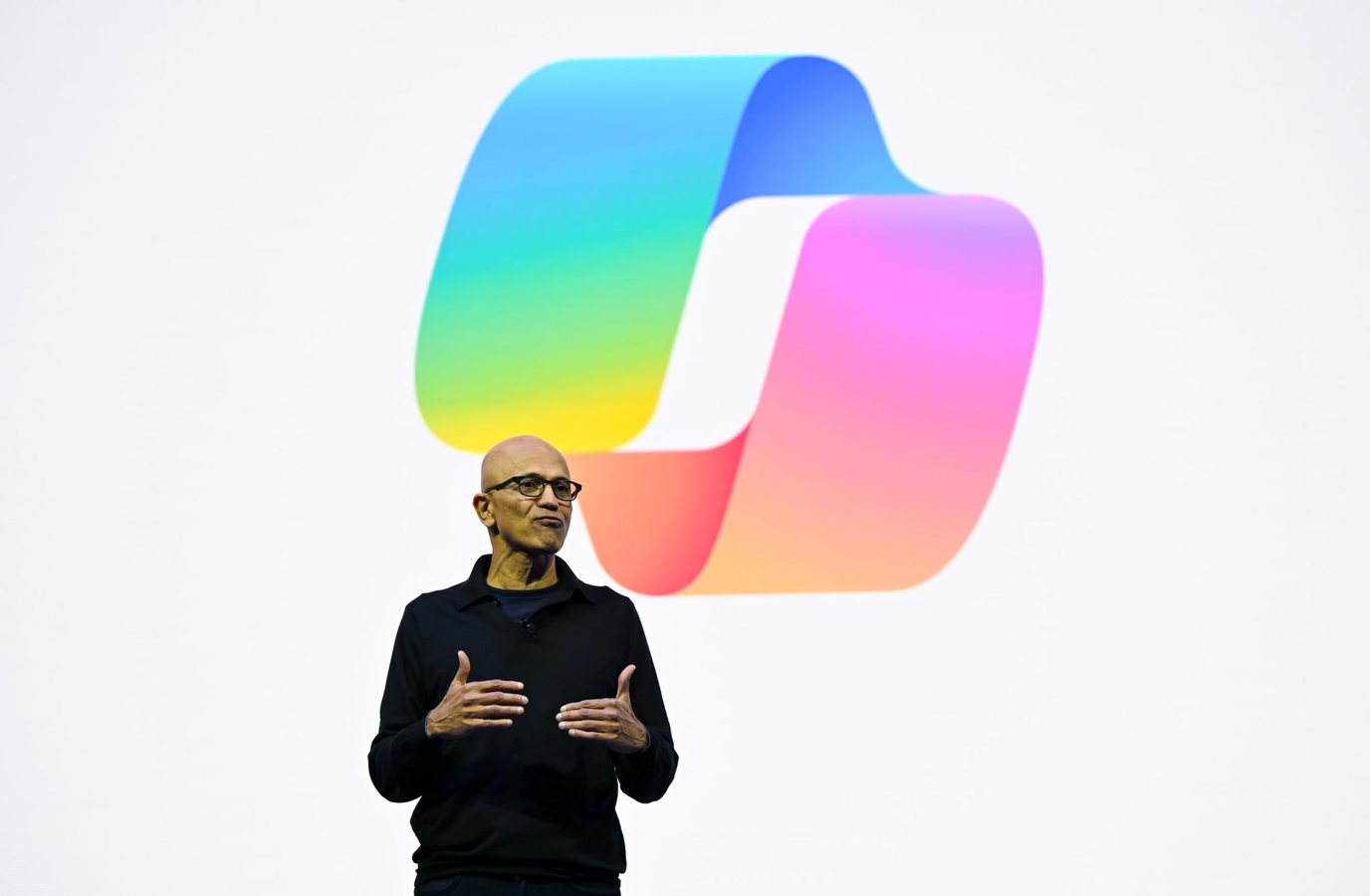
Microsoft has unveiled a redesigned Copilot super app that consolidates its fragmented artificial intelligence products into a single platform aimed squarely at business customers. The launch marks a strategic return to the company's enterprise roots, betting that its most capable technology will win paid subscriptions from companies rather than consumers.
The super app serves as a central interface where users can chat with AI bots, access productivity tools, write code, and use a new feature called Autopilot that brings agentic capabilities to Microsoft's flagship AI product. Agentic AI refers to systems that can act on tasks independently, rather than simply responding to prompts. The app also connects directly to Microsoft's Office suite, allowing users to ask a bot to handle tasks in Excel spreadsheets or adjust layouts in Word documents.
Annie Pearl, corporate vice president of Copilot, said the company wants the product to become an all-in-one productivity suite. She described it as a platform where users can ask questions, delegate complex multi-step work, build software for internal and external use, and automate tasks through a digital worker or personal agent. The Autopilot feature allows users to name their agent, assign it a role and a goal, and then deploy it on tasks such as project updates, tracking decisions and deadlines, reminding colleagues about commitments, gathering preparation materials, and contacting partners.
The coding feature is designed for non-software engineers who want to build applications, dashboards, or other tools, though Pearl said it will grow more powerful over time. It shares its underlying technology with Microsoft's GitHub Copilot. Most of the app's new features are rolling out through an early-test programme, and Microsoft has not set a timeline for general availability. The coding tool will reach Microsoft 365 Premium and Pro subscribers through the test programme later this year, while Autopilot will undergo a more restricted phase of user testing. A broad rollout will depend on how testers rate the new tools.
Although a free version of the super app exists, customers will need Microsoft subscriptions or workplace licences to unlock its full range of offerings. Both enterprise customers and individual users will pay extra based on their usage of the most autonomous capabilities. The launch follows Microsoft's effort to merge what had become a sprawling collection of Copilot products that critics said left customers confused. Chief Executive Satya Nadella has positioned the new Copilot as a way to win subscriptions in a business that has become increasingly important to the software maker, while ensuring its lucrative productivity offerings are not sidelined by a new generation of AI rivals.
Competitive pressure is mounting. OpenAI and Anthropic are pushing into enterprise offerings, and OpenAI unveiled its own super app in July. Meta Platforms has seen early success with its Muse app, which targets general consumers by letting them create a personal agent to handle food orders, bank statements, and other tasks. Microsoft's reveal also follows a stretch of growing pains for Copilot, which stumbled early with branding issues, limited capabilities, and several confusing versions. Its consumer Copilot failed to reach mainstream success. More recently, as Microsoft refocused on enterprise and streamlined operations, it has found some traction. In July, the company said Microsoft 365 Copilot had surpassed 30 million paid seats, with net seats added doubling quarter over quarter. Its shares have rebounded over the past six months on the strength of its cloud computing business, fuelled by AI demand and Copilot growth.
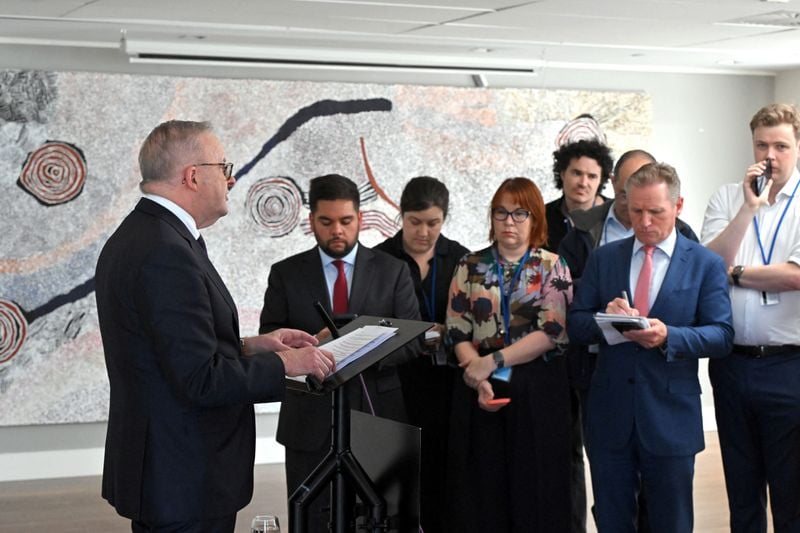
Security remains a central concern. Copilot relies mostly on models from Anthropic and OpenAI, though it also accesses xAI's Grok models, according to Pearl. The issue has gained urgency as models from OpenAI and Anthropic have been used to hack into other companies in recent months, stoking worldwide unease about AI capabilities. On Wednesday, Australian Prime Minister Anthony Albanese said an OpenAI agent infiltrated an Australian government website in June, marking the latest such incident. Microsoft said it has built several safety guards into its app, including rules requiring Autopilot agents to carry explicit permissions, full audit logs, and tracking. Humans decide how much autonomy an agent receives, the company said.
8