Economy 5 min read By Arthur Ellington
Fed's Barkin Says AI Apocalypse Has Not Arrived as Investment Cycle Reshapes Economy
Richmond Fed President Tom Barkin said the AI-driven investment boom is pushing up prices for some technology equipment while companies remain reluctant to cut staff, arguing the anticipated AI apocalypse has not yet materialised.
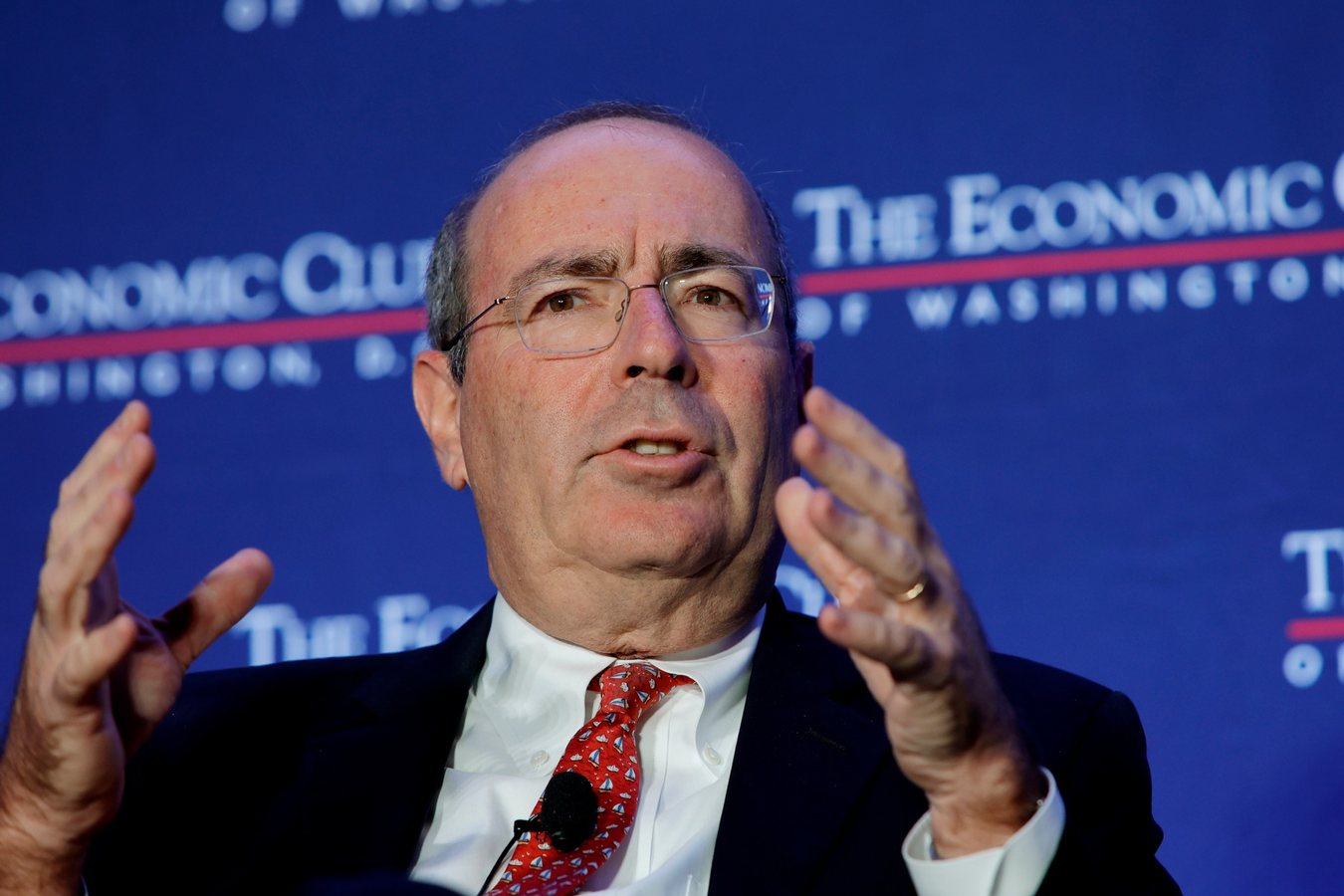
Richmond Federal Reserve President Tom Barkin has pushed back against the idea that artificial intelligence is about to trigger mass economic disruption, saying the so-called AI apocalypse has not arrived and that corporate behaviour suggests a more gradual transition is under way.
Speaking at an Economic Club of Washington, D.C. event, Barkin said the economy is in the middle of an enormous AI investment cycle. Companies are spending aggressively because they expect the technology to lift productivity, even as that same expectation makes them more cautious about hiring. The result is a labour market that is cooling without the wave of layoffs that some had predicted.
Barkin, a former chief financial officer of McKinsey, pointed to strong corporate earnings as a key reason why firms are not cutting headcount. Companies with deep backlogs of technology projects would rather redeploy freed-up capacity than reduce staff, he said. AI is already being used for coding, call centres, compliance paperwork and engineering, but that has not yet translated into broad job destruction.
«I think there's a lot of talk about the AI apocalypse,» Barkin said. «We're clearly not yet there.» He added that he is hearing «a lot less fervency in the conviction that we're going to be there» than there was six months ago.
The harder problem, according to Barkin, is organisational rather than technological. «The unit of an AI-enabled task is not precisely the same as a mid-level manager and what they do,» he said. Companies can see how AI might make individual tasks more efficient without knowing what that means for the people who perform them. Many firms have not yet figured out how to translate task-level efficiency into a redesigned staffing model.
Barkin also offered a less obvious possibility: AI could make it easier to bring inexperienced workers into skilled trades. He cited auto mechanics, where an AI assistant could give a less-experienced worker a real-time checklist to compensate for missing expertise. That would represent a different kind of labour-market adjustment, one that expands the pool of workers rather than shrinking it.
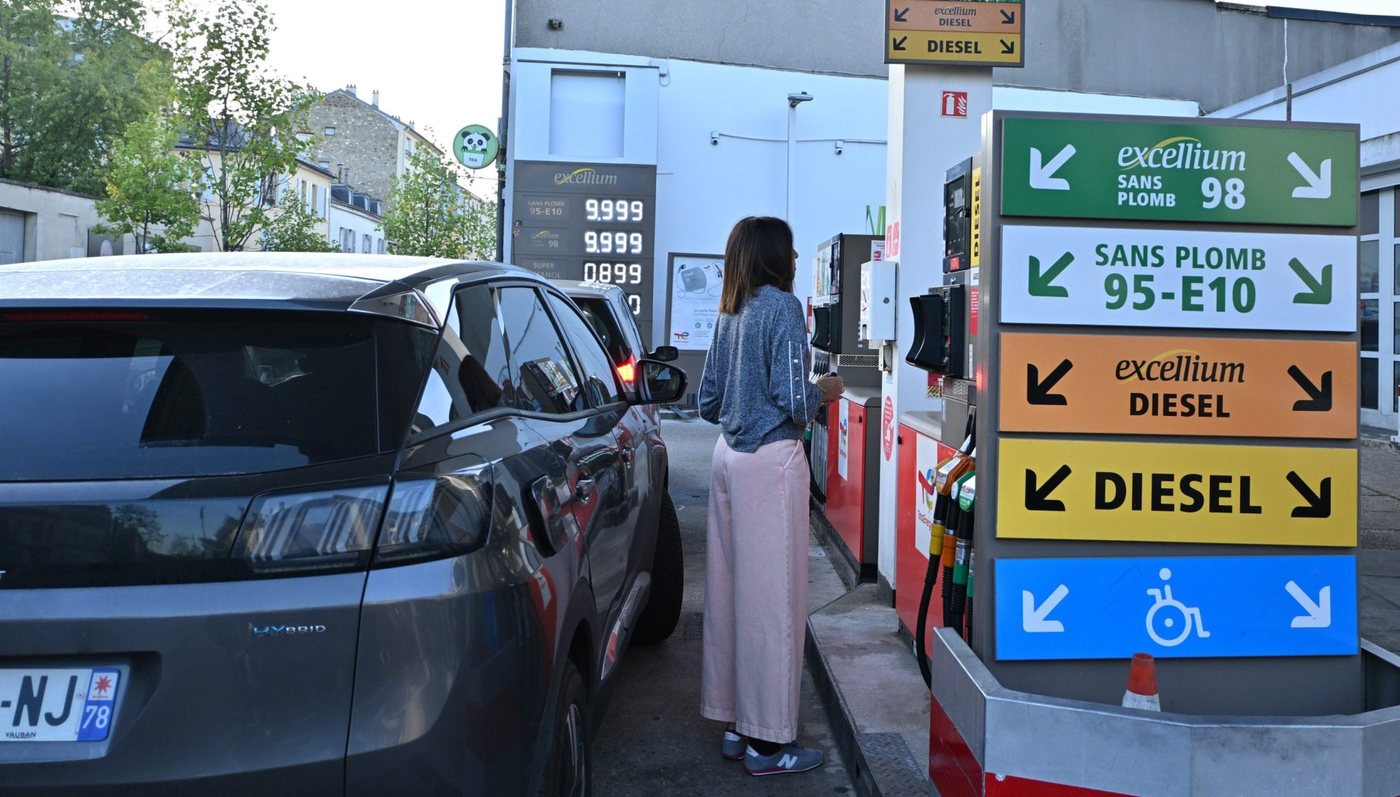
His comments came as the Federal Reserve raised interest rates for the first time since mid-2023, with some of the forces pushing up inflation proving harder to shake. Barkin pointed to persistent tariff costs, higher gasoline prices and the huge wave of AI investment that is pushing up prices for some technology equipment. Six months ago, he said, it was easier to argue that inflation's persistence was temporary and that oil prices, tariffs and the AI buildout would eventually morph away.
«If inflation's not going to come down relatively quickly, then you have to look in the mirror and say inflation looks like it's been here for a while,» Barkin said.
He used a metaphor to describe the challenge facing the Fed's leadership, comparing it to a log flume. «You go slowly up the hill of the last ramp, and then you go full speed down into a pool of water, and the pool of water comes and soaks the guy in front,» he said. «That's Kevin Warsh or Jay Powell. The rest of us are in back. Our hands are in the air.»
The image captures the bind facing the central bank: it has moved back toward higher rates as inflation has proved more persistent than policymakers expected, while an enormous wave of AI investment is reshaping prices and the labour market. Barkin said he had «the deepest respect for anyone who would be foolhardy enough to take on the leadership of the Federal Reserve System,» adding that Warsh «made a number of, I think, very profound calls.»
Barbara Humpton, chief executive of USA Rare Earth, who spoke with Barkin, offered a real-world example of the other side of the AI transition: retraining workers for jobs that increasingly require new combinations of technical and practical skills. She called the effort «truly transformative.»
For businesses and policymakers, Barkin's assessment suggests the AI transition is likely to be messier and slower than the most dramatic forecasts imply. The investment boom is real and is already affecting prices in some sectors, but its effect on employment remains uncertain and uneven. Companies are still working out how to redesign roles around a technology that automates tasks rather than whole jobs.
12