Technology 6 min read By Callum Montgomery
Animoca's Auyang Says Stablecoins Should Follow the Bus Model
Evan Auyang, president of Animoca Brands, explains why his background running Hong Kong's Kowloon Motor Bus shapes his view that stablecoins should be regulated public infrastructure rather than speculative crypto products, as the Anchorpoint Hong Kong dollar stablecoin begins its phased rollout.
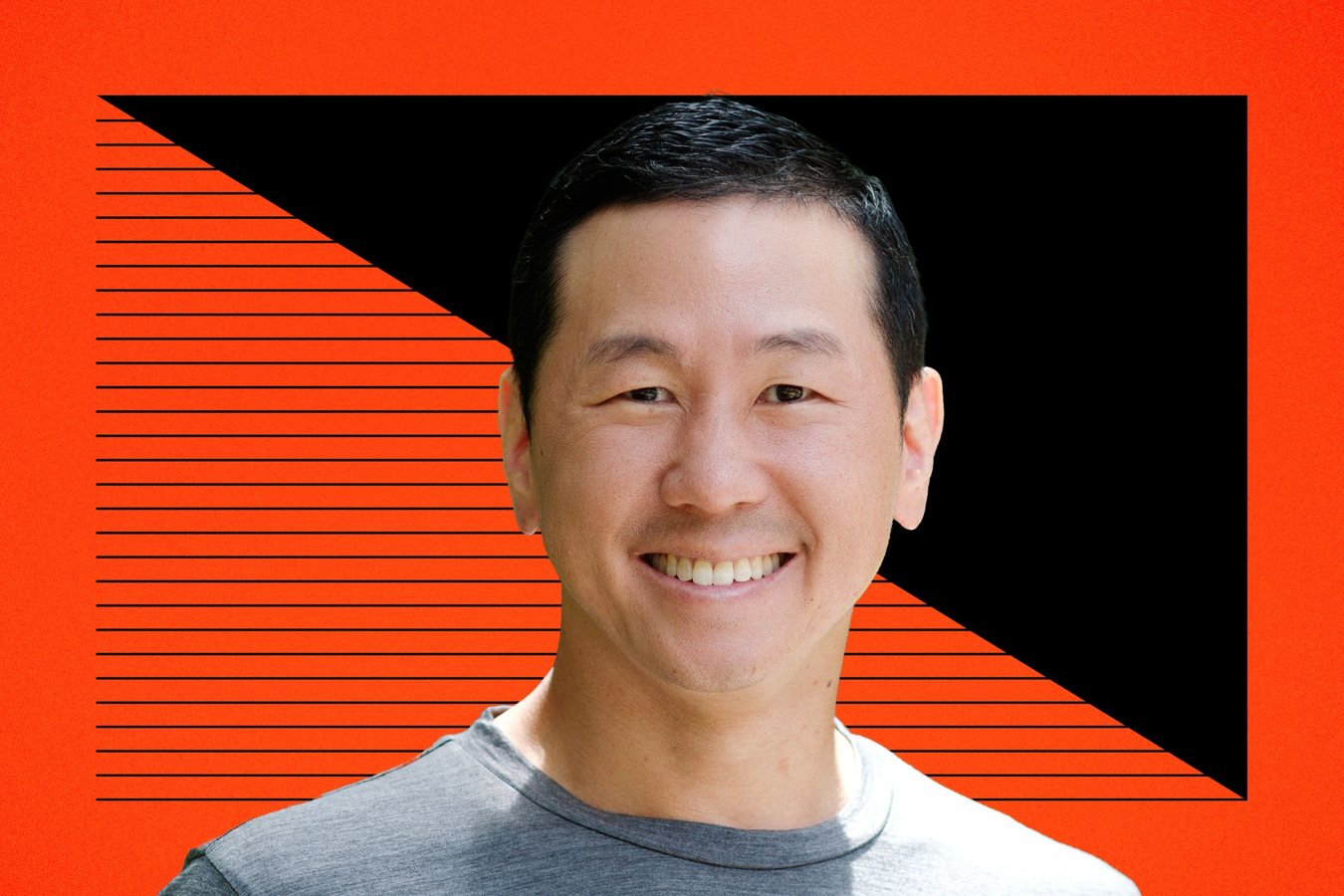
Evan Auyang, president of Animoca Brands, believes the cryptocurrency industry should look less like a casino and more like a bus network. The executive, who previously served as deputy managing director of the Kowloon Motor Bus Company, argues that stablecoins can become regulated public infrastructure that lowers costs for everyone, in the same way a bus route serves passengers regardless of whether each individual journey turns a profit.
His argument has taken concrete form through Anchorpoint, a joint venture between Standard Chartered, HKT and Animoca that began the phased rollout of a Hong Kong dollar-denominated stablecoin in mid-August. The venture was announced in February 2025 and was among the first to apply when the city opened its stablecoin licensing regime in August of that year. In April, the Hong Kong Monetary Authority cleared only two of 36 applicants: Anchorpoint and HSBC, the city's largest bank.
The licensing regime is strict. Issuers must hold at least HK$25 million, about $3.2 million, in paid-up capital, and must back every coin at all times with reserves of safe, easily sold assets such as bonds held separately from the company's own funds. Retail use of the Anchorpoint stablecoin could begin by the end of the year, according to the company.
Auyang was careful to stress that Anchorpoint is an independent entity and declined to speak on its behalf. But he explained why Animoca sought partners with established regulatory credentials. «You guys understand regulation, you can work with the Hong Kong Monetary Authority, and you understand how to get something like this approved and done,» he said, describing the approach as building a team of adults. «We're not trying to be the next Tether. We're trying to be one that says: we want to be the regulated rails, be there first, to enable this region of Greater China and the capital markets here to be on-chain.»
Experts have questioned whether any non-US dollar stablecoin can gain traction among consumers and businesses. A Hong Kong dollar stablecoin has a distinct advantage, however: the city's currency has been pegged to the US dollar since 1983, meaning an HKD stablecoin should maintain a stable value while sitting outside direct US regulatory control.
Auyang frames the purpose of stablecoins in terms of financial inclusion. He cites World Bank figures showing 1.3 billion people globally are unbanked, and argues that connecting them to the financial system is where the business model lies. Banks, he said, do not tell people they are too expensive to serve; they simply do not serve them. In his view, someone with HK$10, roughly $1.30, ought to be able to invest.
Persuading colleagues to move into stablecoins was not straightforward. «It's not in our moat,» Auyang said, explaining that the business creates an obligation rather than a pure opportunity. The shift marks a notable turn for a company that made its name during crypto's wilder years. Founded in 2014, Animoca became one of Web3's most prolific investors, backing Sky Mavis, the studio behind Axie Infinity, and owning The Sandbox virtual world. In mid-2022 the company was valued as high as $5.9 billion, with investors including SoftBank participating in a $93 million round for The Sandbox the previous November.
The crypto winter took its toll. Bookings fell by 30 per cent between 2022 and 2023. Animoca has since moved into artificial intelligence. In May it launched Minds by Animoca Brands, a service that lets non-technical users deploy persistent AI agents with their own identity, memory and cognition, reachable over email and Telegram. Auyang's own agent is named Jarvis, after Iron Man's assistant.
He resists describing the move as a pivot. «From Yat's and my perspective, it's an extension of capability,» he said, referring to Animoca co-founder Yat Siu. Even so, he acknowledged that the original model has been slow to pay off. «In 2021, I was a gamer,» he said, recalling his belief that ownership of digital assets would change the internet. «It didn't pan out at the speed we wanted it to.» He does not expect Animoca to compete with the AI giants, saying the winners in large language models will be other companies.
Auyang's route to crypto was unconventional. He began at Bankers Trust and Citigroup before joining McKinsey, then moved to Kowloon Motor Bus in 2009. The company's 4,000 buses carry about 2.5 million passengers a day. «It's public service that is for profit, and that power is absolutely amazing,» he said. The role humbled the former banker and consultant, who grappled with operational details such as how engine placement changes the way a bus runs. It also involved politics: adjusting an unprofitable route meant negotiating with local politicians, officials and influential figures, some of whom, he said with a smile, had triad backgrounds.
6