Economy 5 min read By Bethany Hadley
Europe's Fuel Crisis: Consumers Spend Extra $231 Million a Day on Diesel
European governments are rolling out subsidies, tax cuts and policy changes as pump prices exceed $12 a gallon in some countries, with diesel costs adding $231 million a day to consumer bills.
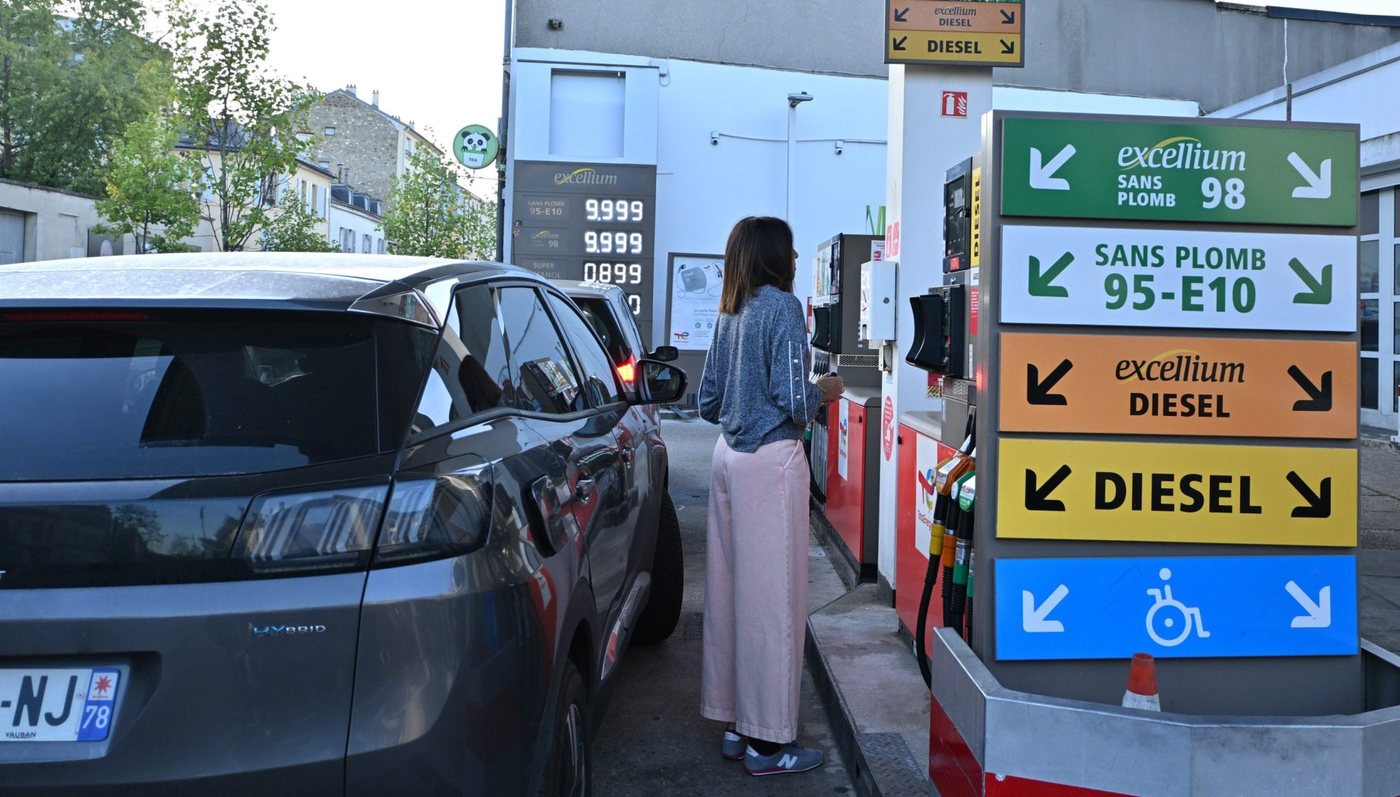
Governments across Europe are deploying a widening array of subsidies, tax cuts and regulatory changes to shield households and businesses from record petrol and diesel prices, as pump costs surpass the equivalent of $12 a gallon in some countries and consumers spend an additional 203 million euros ($231 million) a day on diesel alone.
The Organisation for Economic Cooperation and Development said seven of the ten nations working most actively to contain the economic damage from soaring fuel prices are European Union members. The interventions follow supply disruptions caused by wars in Ukraine and the Middle East, which have compounded Europe's reliance on imported energy. The EU imports nearly all of the oil it uses and 85 per cent of its natural gas, with imports supplying 57 per cent of the bloc's energy needs.
France has adopted the most expansive package, announcing a 450 million-euro ($512 million) expansion of relief measures. The government broadened means-tested aid for people who drive more than 30 kilometres round trip to work or more than 8,000 kilometres annually for professional purposes, making 5.5 million workers eligible for 100-euro payments through the end of the year. Fuel subsidies for farmers, fishermen and construction companies were extended until December, and energy vouchers worth 48 to 277 euros will be made available three months early to help 5.8 million families pay winter bills.
President Emmanuel Macron has asked European Commission President Ursula von der Leyen to relax EU fuel quality regulations on density, sulphur content and other criteria to boost diesel and kerosene production. In a letter to the EU executive, Macron warned of «strong increases in prices» if the Strait of Hormuz does not reopen to tanker traffic and Saudi Arabia's East-West pipeline to the Red Sea is not repaired. He also called for raising the EU limit on conventional biodiesel content in standard diesel from 7 per cent to 10 per cent. Macron said France would deploy troops, radars and defensive systems to Saudi Arabia to protect energy infrastructure from attacks by Iran-backed Houthi rebels near the Bab al-Mandab chokepoint.
Germany allowed a two-month fuel tax cut to expire at the end of June but agreed last week to renew it from 1 October until the end of the year, lowering petrol and diesel prices by 17 cents per litre at a cost of 2.5 billion euros. The government said it would hold talks with the oil industry about introducing a fuel price cap by 1 January, similar to long-standing caps in Belgium and Luxembourg. Spain extended petrol and diesel tax cuts introduced in March as part of a 5 billion-euro package, with the tax break amounting to 5 cents per litre this month.
Other EU states have taken varied approaches. Lithuania halved train ticket prices. Greece is taxing gambling more to fund public relief. Italy delayed the scheduled demolition of coal-fired power plants and cut paperwork for oil and natural gas projects. The Netherlands increased funding for free home energy-saving services. Poland has proposed heavily taxing the record profits of certain fuel producers and sellers.
EU leaders in Brussels have given member nations temporary discretion to provide state aid to households and energy-intensive industries such as agriculture, transportation and fishing, along with limited leeway from spending rules for investments that strengthen energy security. Von der Leyen used her annual State of the European Union address to call for doubling down on «affordable, homegrown, clean energy» including renewables, nuclear and biomethane to «give us independence and drive down energy prices».
Antony Froggatt, an analyst at the European advocacy organisation Transport & Environment, said: «It's a cruel irony that the U.S. is the least vulnerable to a crisis of its own making, while Europe's economy again takes the hit.» The OECD report published on Wednesday highlighted the breadth of interventions as governments seek to contain the fallout from diminished energy supplies and soaring fuel prices since the start of the Iran war.
6