Society 6 min read By Alice Ashford
Westminster Council asks residents which services to cut amid £100m funding gap
Westminster City Council is consulting 200,000 residents on which local services could be scrapped or reduced to close an 'unprecedented' £100 million shortfall in central government funding, warning that without cuts council tax could rise by up to 200 per cent.
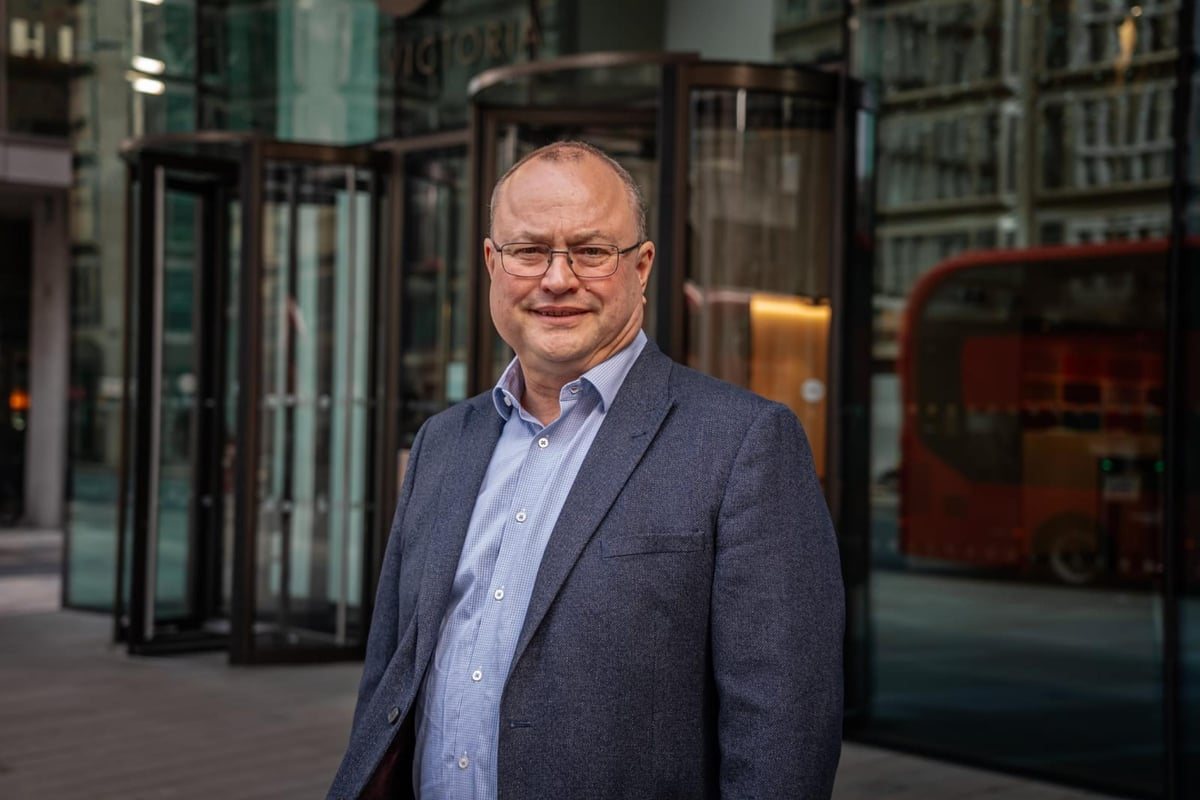
Westminster City Council has launched an unusual public consultation, asking every household which local services they would be prepared to lose as the authority grapples with what it describes as an 'unprecedented' £100 million drop in central government funding. The consultation, which will reach 200,000 residents across central London, comes with a stark warning that without significant cuts to non-statutory services, council tax bills could rise by as much as 200 per cent in the coming years.
The council has asked residents to rank a wide range of services — from park maintenance and public toilets to youth clubs, libraries, and street cleaning — in order of priority. The results will directly inform the council's budget for the next financial year, which is expected to be one of the most difficult in the borough's recent history. Officials have stressed that the scale of the funding gap is unlike anything the authority has faced before, driven by a combination of rising demand for adult social care, homelessness services, and children's safeguarding, alongside declining central government grants.
Council leader Adam Hug said the local authority was being forced into 'impossible choices' by a decade of real-terms reductions in funding from Whitehall. 'We are having to ask our residents a question that no council wants to ask: which of the services you rely on should we stop providing, or reduce, to balance the books,' he said. Hug added that while the council has already made hundreds of millions of pounds in efficiency savings over the past ten years, the remaining gap is so large that cuts to frontline services are now unavoidable without a dramatic increase in council tax.
The consultation documents outline several scenarios, each involving different combinations of service reductions. Under the most severe scenario, the council would have to cut all non-statutory services — including community centres, cultural grants, street markets, and some parks maintenance — and still raise council tax by the maximum amount allowed without a local referendum, which currently stands at just under 5 per cent per year. Even then, the council warns, the gap would not be fully closed, meaning further cuts or a larger tax rise would be required in subsequent years.
One of the most controversial options being put to residents is the potential closure of up to half of the borough's public libraries, as well as reductions in opening hours at the remaining branches. Westminster currently operates 16 libraries, but the council says that maintaining the current network is 'unsustainable' given the funding outlook. Other services on the chopping block include the weekly street markets in Soho and Covent Garden, the funding of community festivals and events, and the subsidy for the Crossness Nature Reserve.
The warning of a potential 200 per cent council tax rise — which would take the average bill from around £1,000 a year to £3,000 — has drawn particular attention from residents and opposition politicians. However, council officials have emphasised that such a rise would require a local referendum and is seen as a worst-case scenario rather than a likely outcome. The more immediate plan is to ask the government for permission to raise council tax by more than the usual cap, but any increase above 5 per cent would trigger a binding local vote.
Residents have until the end of next month to respond to the consultation, either online or via paper forms delivered to every home. The council has also organised a series of public meetings in each of the borough's wards, where senior officers and councillors will answer questions and explain the financial pressures in greater detail. The results are expected to be published in the autumn, ahead of the final budget vote in February.
The situation in Westminster is being closely watched by other local authorities across the country, many of which face similar financial pressures. According to the County Councils Network, more than one in five councils in England are considering cutting non-statutory services or raising council tax significantly in order to set a balanced budget next year. The Local Government Association has repeatedly called on the government to provide a long-term funding settlement that reflects rising demand and inflation, rather than the current system of annual grant allocations.
A spokesperson for the Ministry of Housing, Communities and Local Government said the government had provided an additional £4 billion in funding for local authorities in the current financial year, and pointed to the upcoming Spending Review as a opportunity to address longer-term pressures. But council leaders across the political spectrum argue that this is insufficient to compensate for the cuts made since 2010, when austerity measures began to take effect.
For Westminster residents, the choice being presented is a stark one: accept a significant reduction in the services that make the borough a desirable place to live, work, and visit, or face a council tax bill that could rise far faster than wages or pensions. Many residents will now have to decide which of their local amenities they value most — and which they are prepared to lose.