Business 5 min read By Alice Ashford
Applied Materials Forecast to Hit First $10bn Quarter This Autumn
The US semiconductor equipment maker is expected to report record quarterly revenue of $10bn as demand for AI chipmaking tools surges, marking a milestone for the company and the wider chip supply chain.
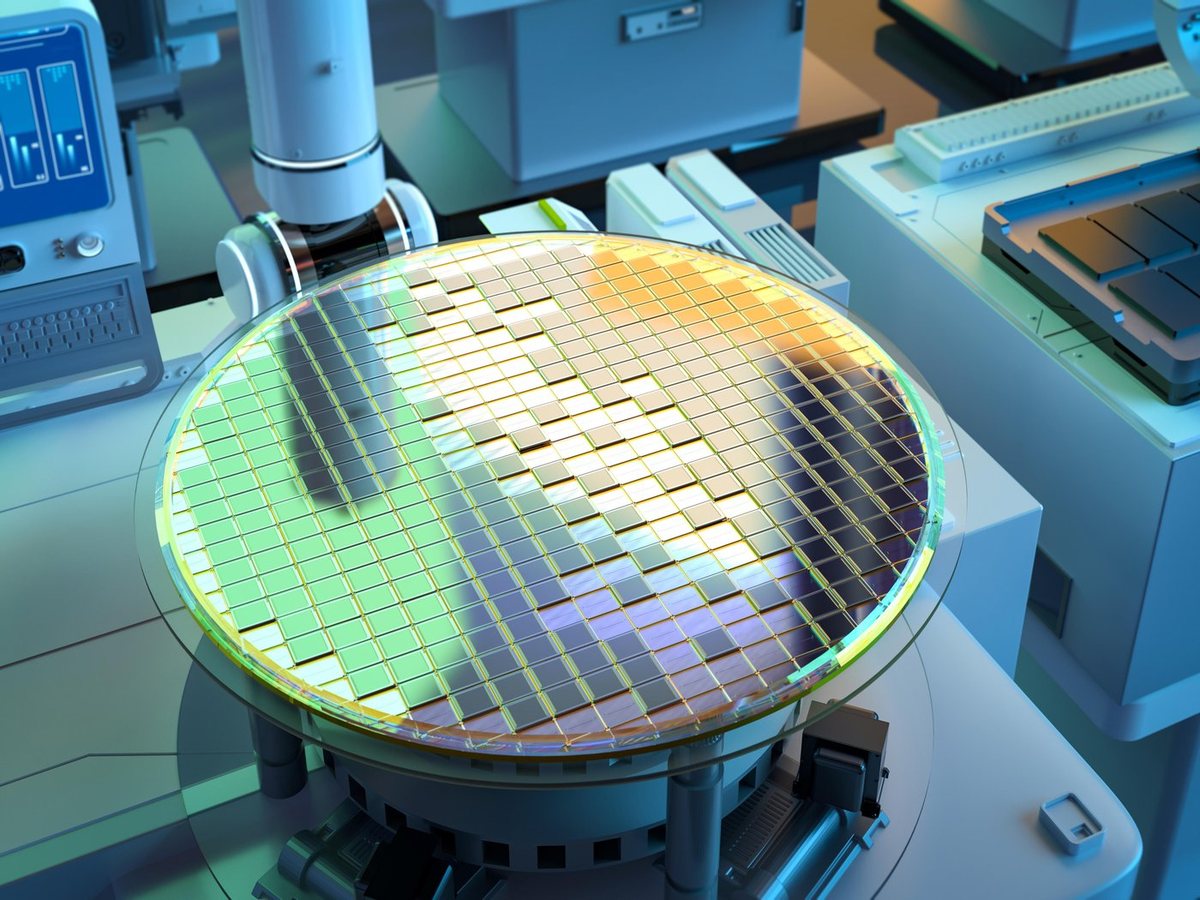
Applied Materials is on course to book its first $10bn quarter this autumn, a milestone that would underline the semiconductor equipment maker's central role in the global race to build out AI computing capacity. The US company, which supplies the machinery used to manufacture advanced chips, is forecast to cross the threshold in its fiscal fourth quarter as demand from chipmakers continues to outstrip supply.
The prediction reflects a broader boom in capital spending across the semiconductor industry. Chip manufacturers in the United States, Taiwan, South Korea and Europe are all expanding capacity, driven by the need for more powerful processors to train and run artificial intelligence models. Applied Materials sits at the heart of that supply chain, providing the deposition, etching and inspection tools that turn silicon wafers into finished chips.
Reaching $10bn in a single quarter would represent a significant step up for the company. Applied Materials has posted quarterly revenues in the high single-digit billions in recent periods, but the accelerating build-out of AI infrastructure has pushed order books higher. Analysts expect the company's semiconductor systems segment, which accounts for the bulk of its revenue, to lead the growth.
The milestone would also carry symbolic weight for the wider industry. Only a handful of companies in the semiconductor supply chain have crossed the $10bn quarterly revenue mark, and most of them are chip designers or manufacturers rather than equipment suppliers. Applied Materials' achievement would highlight how the AI boom is lifting not just the headline chipmakers but the entire ecosystem of companies that support them.
Demand is being driven by several factors. Leading foundries are racing to add capacity for advanced nodes, while memory makers are investing in high-bandwidth memory used in AI accelerators. Governments in the US and Europe have also introduced subsidies aimed at boosting domestic chip production, adding further momentum to equipment orders.
Applied Materials has been investing in its own manufacturing and research capabilities to meet the surge. The company has expanded its operations in the United States and abroad, and has been working closely with customers to shorten lead times for critical tools. Its backlog has remained elevated, giving visibility into future revenue.
The forecast comes amid broader optimism about the semiconductor cycle. After a period of inventory correction in some segments, demand has rebounded strongly, particularly for equipment tied to AI and advanced packaging. Industry forecasts suggest capital spending will continue to rise next year, though the pace may depend on macroeconomic conditions and the trajectory of AI investment.
For Applied Materials, hitting $10bn in a quarter would be a landmark moment. It would cement the company's position as one of the most important suppliers in the technology sector and provide a clear signal that the AI-driven investment cycle still has momentum. Investors will be watching the company's next earnings report closely for confirmation of the prediction.
The milestone would also have implications for the wider British and European technology landscape. Although Applied Materials is headquartered in the United States, its tools are used by chipmakers around the world, including those with operations in the UK and the EU. A stronger equipment market supports the build-out of semiconductor capacity in Europe, which policymakers have identified as a strategic priority.
Whether the prediction proves accurate will depend on execution and demand holding up through the autumn. But the direction of travel is clear: the companies that make the machines for the AI era are enjoying a boom that shows few signs of slowing.