Economy 5 min read By Callum Montgomery
Trump Presses Fed for World's Lowest Interest Rate Ahead of Policy Meeting
US President Donald Trump has called for the United States to have the world's lowest interest rate, intensifying pressure on the Federal Reserve just before its latest policy meeting. The intervention puts the central bank's independence and its rate-setting calculus back in the spotlight.
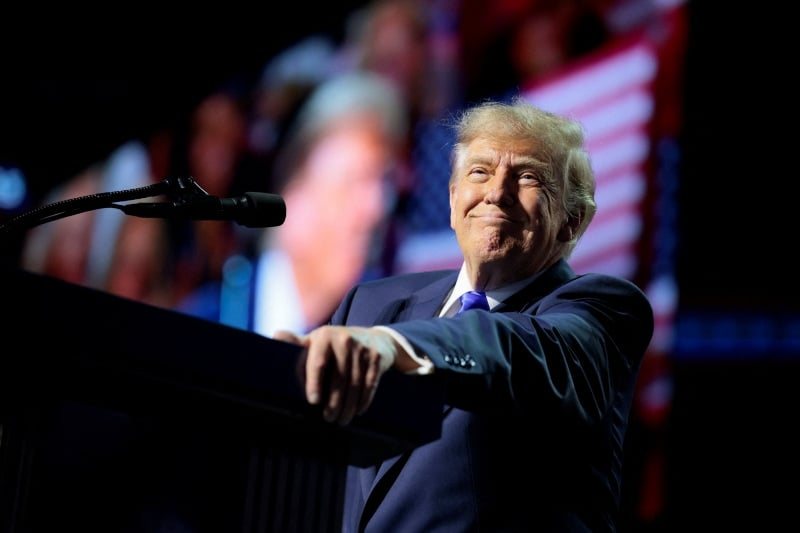
US President Donald Trump has said the United States should have the lowest interest rate in the world, reopening his long-running argument with the Federal Reserve just as the central bank prepares to set policy at its next meeting. The intervention places the cost of borrowing, and the independence of the institution that sets it, back at the centre of the economic debate in Washington.
Trump has repeatedly argued that lower rates would strengthen the American economy, reduce the burden of servicing government debt and sharpen the country's competitive edge against trading partners. His latest remarks, made before the Fed's meeting, amount to a public call for the central bank to cut borrowing costs further and to move more aggressively than its global counterparts.
The timing is significant. The Federal Reserve is due to meet to assess the path of inflation, employment and growth, and its decisions ripple through global markets. Investors, businesses and households watch the federal funds rate closely because it anchors the cost of mortgages, credit cards, corporate loans and savings. A shift in expectations can move share prices, bond yields and the dollar within minutes.
Trump's demand that the US hold the world's lowest rate is unusual in its scope. Central banks in Europe, Japan and elsewhere set policy according to domestic conditions, and no single authority determines a global ranking of rates. Even so, the president's language signals that he wants American monetary policy to be looser than that of major peers, a stance that would normally imply faster cuts or a longer period of ultra-low borrowing costs.
The Fed is designed to operate independently of the White House, with officials appointed to terms that are meant to insulate rate decisions from short-term political pressure. That independence is widely seen by economists as essential to keeping inflation expectations anchored. When politicians push for lower rates, markets sometimes read it as a threat to that separation, particularly if the pressure is sustained.
Lower rates can stimulate demand by making credit cheaper, encouraging investment and hiring. They can also fuel inflation if the economy is already running hot, and they reduce the room policymakers have to cut further in a future downturn. The Fed's decisions therefore involve a trade-off between supporting growth and guarding against price pressures, a balance that its officials have stressed is guided by data rather than politics.
For British readers, the stakes extend beyond American shores. US rates influence global financial conditions, including the cost of dollar funding that underpins much of international trade and lending. A sustained push for cheaper money in the world's largest economy can spill over into emerging markets, currency values and the borrowing costs faced by companies and governments far from Washington.
Trump's comments also come amid a broader debate about the direction of economic policy, including tariffs, fiscal spending and the role of the state in shaping markets. Each of those choices interacts with monetary policy, and together they shape the outlook for growth, inflation and investment.
The immediate question is how the Fed responds. Its officials have consistently said they will act according to the evidence on inflation and employment, not political appeals. But the president's intervention ensures that the meeting will be watched not only for the rate decision itself but for any signal about whether the central bank feels its independence is under strain.
Markets will parse the statement and any subsequent guidance for clues about the pace of future moves. Businesses weighing investment, households considering mortgages and investors pricing risk will all take their cue from the same question: whether the US is prepared to hold rates lower than anyone else, and what that would mean for an economy still navigating inflation, debt and uncertain global demand.