Economy 4 min read By Arthur Ellington
Saudi Pipeline Outage Threatens Global Oil Supply and Pump Prices
A major pipeline failure in Saudi Arabia has knocked out a significant share of global oil supply, raising the prospect of further increases in already elevated fuel prices.
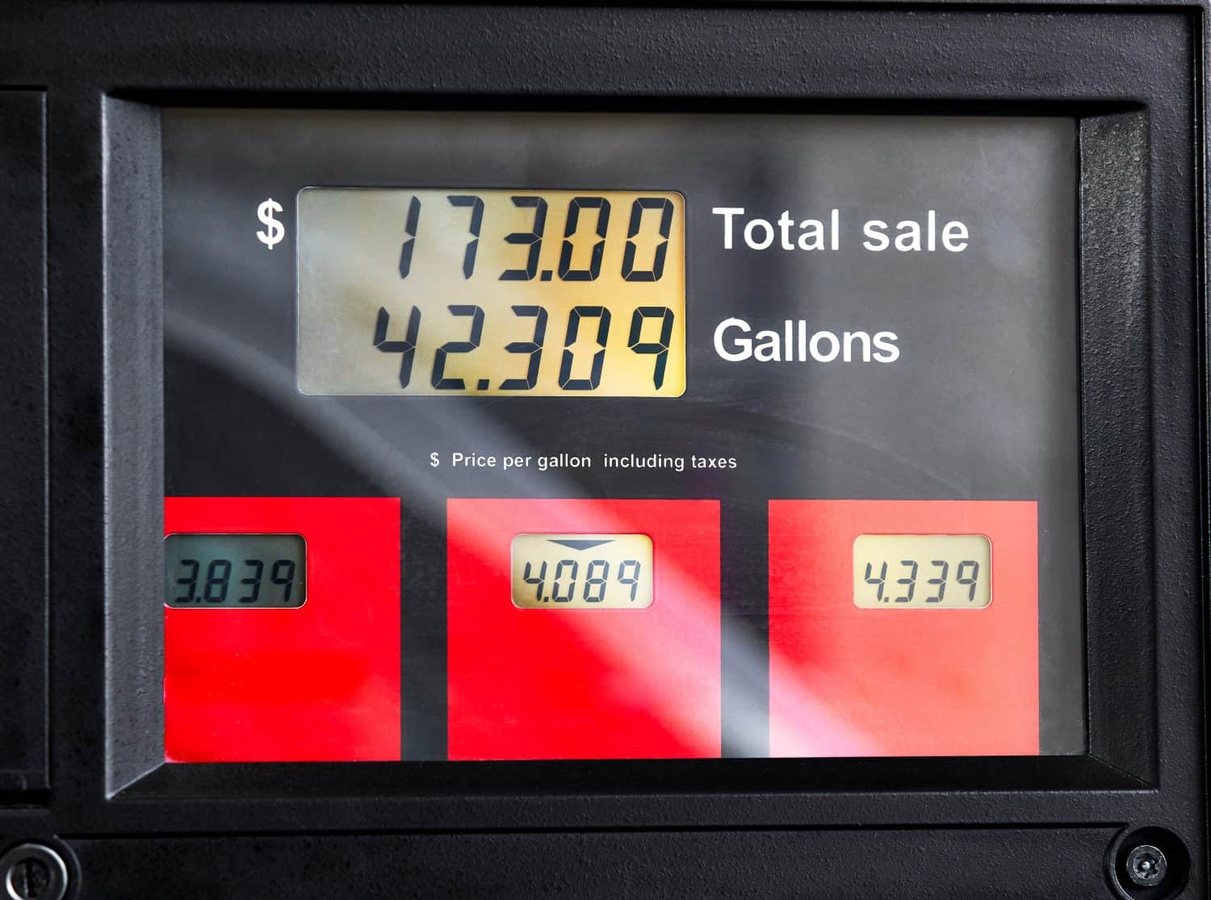
A pipeline outage in Saudi Arabia has removed a substantial volume of crude from global markets, threatening to push oil and fuel prices higher at a time when households and businesses are already under pressure from elevated energy costs. The disruption affects a critical export route and has raised concerns about the reliability of supply from the world's largest oil exporter.
The outage is estimated to have taken out roughly 4 per cent of global oil supply, according to market assessments. That is a significant loss for a market that has little spare capacity to absorb shocks. The pipeline in question is a key artery for Saudi crude, and any prolonged interruption would force buyers to seek alternative sources, tightening supplies further.
Oil prices have been volatile in recent months, driven by geopolitical tensions, production decisions by the OPEC+ alliance, and uneven demand from major economies. The loss of Saudi barrels adds a fresh layer of uncertainty. Traders are watching for signs of how quickly the pipeline can be restored, and whether other producers can fill the gap. Analysts warn that if the outage persists, the impact on benchmark crude prices could be immediate and pronounced.
For consumers, the consequences would be felt at the pump. Petrol and diesel prices in the UK and across Europe are sensitive to movements in global crude markets, and any sustained increase would feed through to transport costs, business overheads, and household budgets. The UK has already seen fuel prices rise in recent months, and the prospect of further increases will add to inflationary pressures that the Bank of England is trying to manage.
The timing is particularly difficult. Many economies are still recovering from the energy shock that followed Russia's invasion of Ukraine, which exposed Europe's dependence on imported fossil fuels. Although the UK is less reliant on Saudi crude than some other countries, it remains part of an integrated global market where supply disruptions anywhere affect prices everywhere. A significant loss of Saudi supply would ripple through refineries and distribution networks, potentially affecting everything from aviation fuel to heating oil.
Saudi Arabia has not yet issued a detailed statement on the cause of the outage or a timeline for repairs. The kingdom has previously demonstrated its ability to restore infrastructure quickly, but the scale of this disruption has surprised some market participants. The pipeline's importance extends beyond Saudi Arabia itself, as it forms part of the broader network that supplies Asia, Europe, and the Americas.
Energy analysts note that the market is already finely balanced. Spare production capacity within OPEC+ is limited, and some members are struggling to meet their own quotas. That leaves little room for error. If the outage is not resolved swiftly, prices could climb sharply, with knock-on effects for inflation, economic growth, and consumer confidence.
For British businesses, the risk is twofold: higher energy bills and higher transport costs. Both would squeeze margins at a time when many firms are still dealing with weak demand and elevated borrowing costs. The government has faced calls to do more to shield households from price spikes, but its options are limited in a global market.
The situation remains fluid. Market participants are monitoring shipping data, refinery runs, and any signals from Saudi officials about the restoration of the pipeline. Until there is clarity, volatility is likely to persist. What is clear is that a prolonged outage would make a difficult energy picture significantly worse, and the effects would be felt far beyond the Middle East.