Economy 5 min read By Bethany Hadley
Cramer Warns of 25% Consumer Surtax Imposed Without Congressional Vote
US broadcaster Jim Cramer has claimed that a 25% surtax has been added to everyday purchases without a vote in Congress, raising fresh questions about the use of executive trade powers and the growing cost burden on households and businesses.

US financial commentator Jim Cramer has warned that a 25% surtax has effectively been added to a wide range of everyday purchases without any vote in Congress, sharpening scrutiny of how trade measures are being imposed and who ultimately pays for them. The claim, made in a broadcast segment, points to a growing concern among investors and consumers that tariff policy is now operating outside normal legislative approval.
The assertion lands as American households already face persistent inflation, rising interest rates and weak consumer sentiment. A surtax of that scale, if applied broadly, would function as a direct tax on consumption, raising the cost of imported goods and feeding through to domestic prices. Economists note that such measures are typically passed on to buyers rather than absorbed by foreign exporters, meaning the burden falls on businesses and consumers in the form of higher shelf prices.
The absence of a congressional vote is central to the criticism. Under the US constitution, taxes are meant to originate in the House of Representatives, and trade policy has traditionally involved legislative oversight. Recent administrations have increasingly used executive authorities, including national security provisions, to adjust tariffs without a direct floor vote. Critics argue this shifts a significant tax-like burden onto the public while bypassing the normal democratic process.
The timing is politically sensitive. The US budget deficit is running at nearly $1.8 trillion annually, and the combination of inflation and higher borrowing costs is straining both households and the federal balance sheet. Any measure that raises import costs risks adding to price pressures at a moment when the Federal Reserve is already navigating a difficult inflation environment. For British exporters and companies with US supply chains, the prospect of a broad 25% surcharge on goods entering the American market represents a material commercial risk.
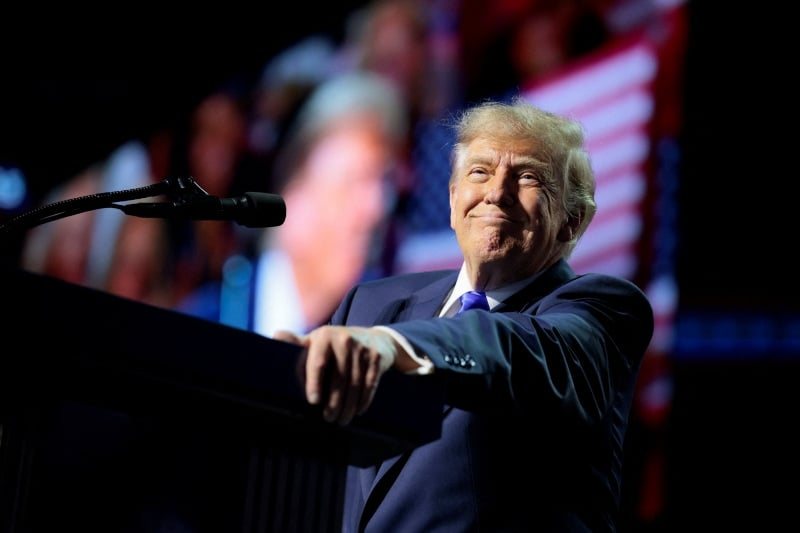
The debate over trade levies has also become entangled with wider fiscal proposals. President Donald Trump has floated a $5,000 payment to every American adult if his party retains control of Congress, a plan that House Speaker Mike Johnson has said would require congressional approval. Trump has suggested he could proceed without lawmakers, though he has not explained how more than $1 trillion could be spent without authorisation. Johnson has pledged to try to push the proposal through Congress, describing it as a creative idea, while acknowledging the narrow Republican margin.
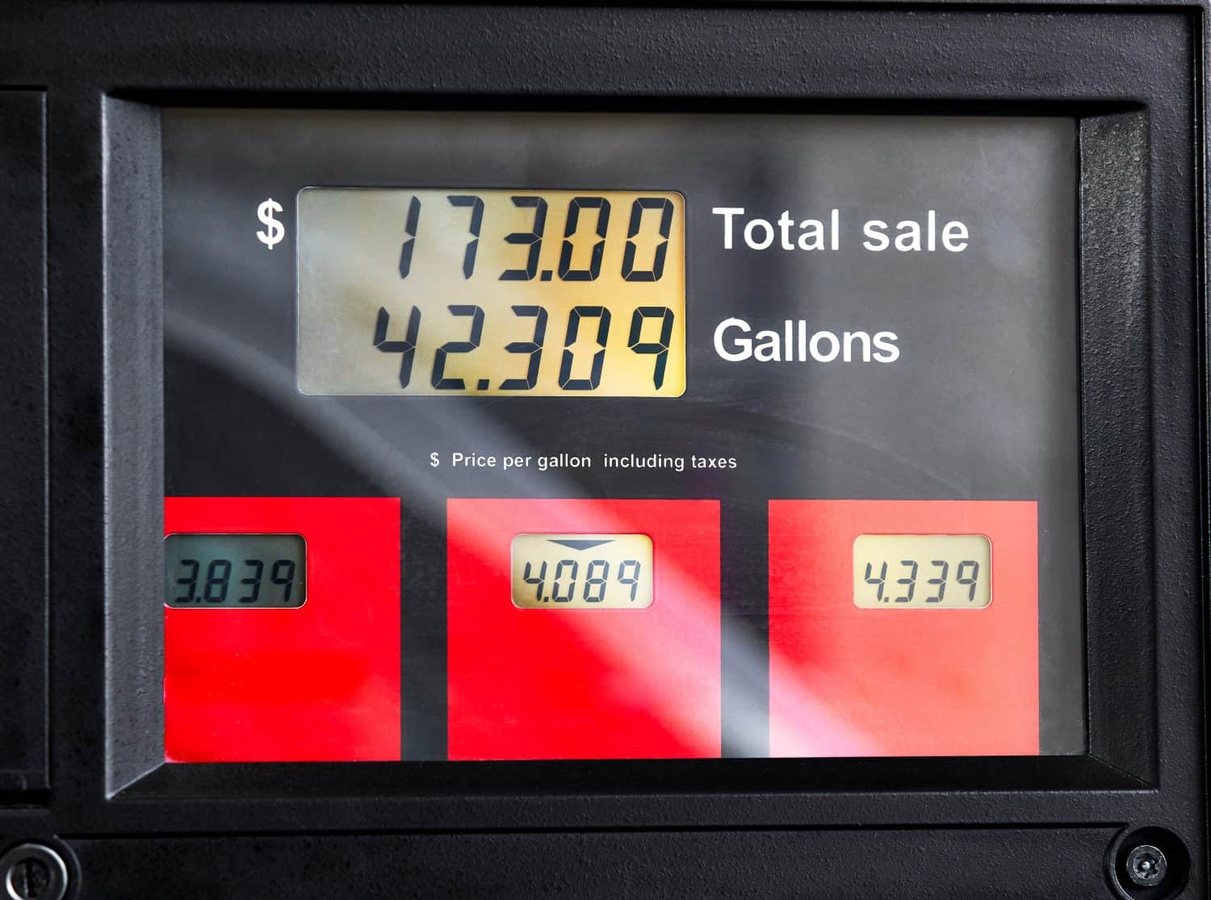
That proposal, like the surtax Cramer highlighted, raises the same underlying question: who authorises fiscal measures and how they are paid for. The dividend plan could cost over $1 trillion, further straining the deficit and adding to inflation concerns. Consumer sentiment remains weak as petrol prices rise and wages struggle to keep pace with living costs. Just one-third of US adults approve of Trump's handling of the presidency, according to a July poll, with majorities disapproving of his economic and immigration record.
For markets, the practical effect of an unlegislated surtax is uncertainty. Companies cannot easily plan pricing, sourcing or investment when trade costs can shift by executive action. Investors may demand higher risk premiums for exposed sectors, while retailers face the choice of absorbing margins or passing costs to customers. Smaller importers with thin margins are especially vulnerable.
In the UK, the implications are twofold. British firms selling into the US would face a steeper effective tax on their goods, potentially pricing them out of key markets. At the same time, the precedent of major tax-like measures being imposed without a parliamentary or congressional vote raises questions about the durability of trade rules that British exporters rely on. The government has consistently argued for predictable, rules-based trade, and any drift toward unilateral surcharges complicates that position.
Cramer's warning is unlikely to be the final word. If the surtax is confirmed in practice, legal challenges and congressional objections are probable. For now, the immediate takeaway is that a significant cost has been added to everyday purchases without lawmakers casting a vote, and the bill is being picked up by consumers and businesses on both sides of the Atlantic.