Society 5 min read By Alice Ashford
Wealthy families pay £75,000 a year for AI schooling as literacy crisis deepens
Alpha School charges up to $75,000 annually for AI-tutored education, attracting affluent families while public schools struggle with literacy decline and unequal access to technology.
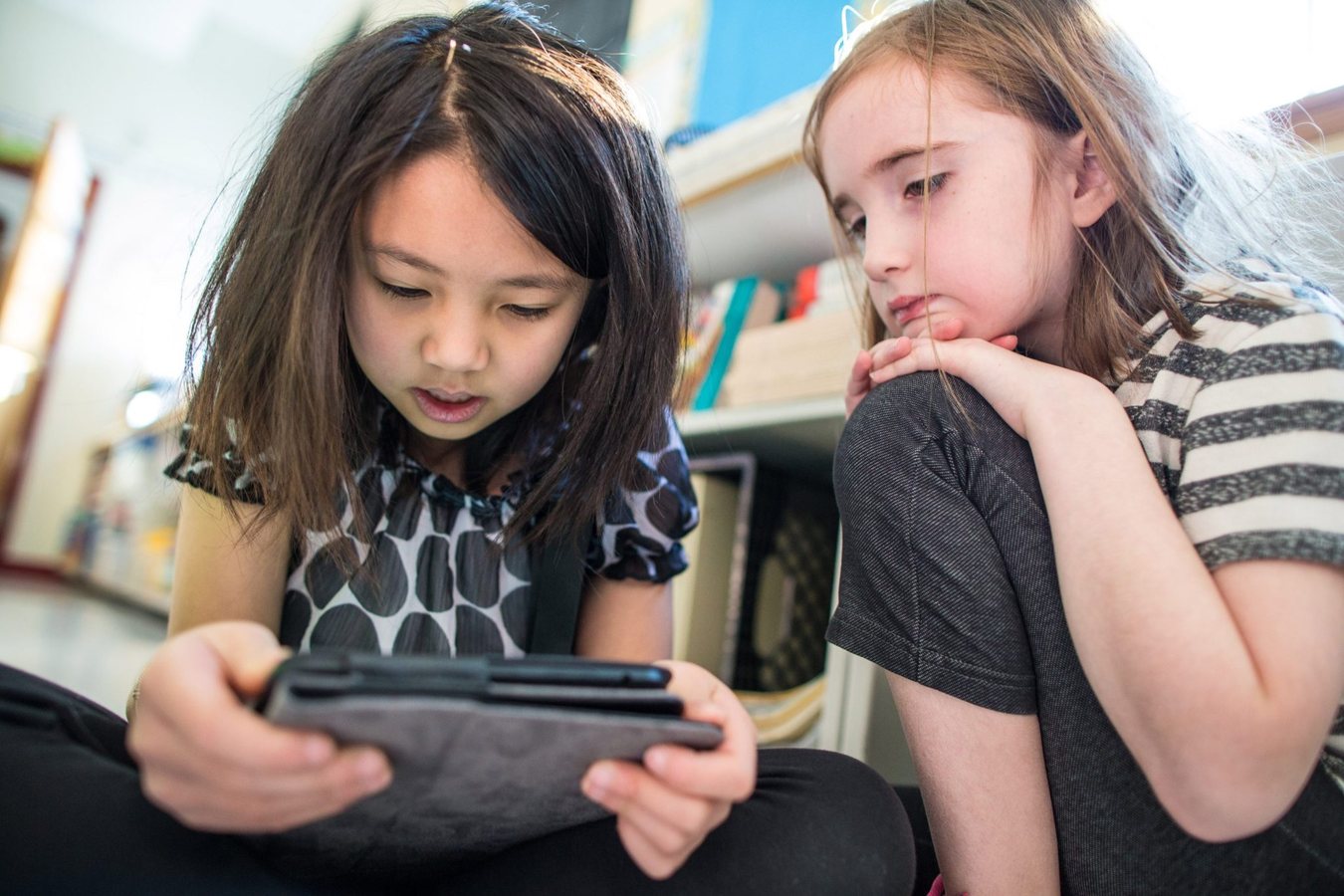
Affluent families are paying up to $75,000 a year to send their children to a school where artificial intelligence delivers core lessons, as concerns grow about declining literacy and unequal access to educational technology. Alpha School, which has more than 1,200 students and plans to expand to 50 campuses this year, offers a model in which pupils spend two hours each day on core subjects with an AI tutor before spending afternoons in workshops designed to build skills such as public speaking and relationship building.
Human teachers, called «Guides», remain on site to motivate students and get to know them, but they do not plan lessons or grade homework. The approach has attracted venture capitalist Sarah Cone, whose eight-year-old daughter attends the Alpha School in New York. «I definitely think using AI well is a skill in the future, if not the skill, so it’s kind of a disservice not to have that in school», Cone said.
The rise of such schools comes as public education systems grapple with how to teach or restrict generative AI. New York City recently announced a one-year ban on student-facing generative AI for children in 2-K through eighth grade. Researchers have warned that indiscriminate AI use can erode the cognitive effort required for learning, but they also suggest that intentionally designed tools — such as chatbots acting as maths tutors rather than giving away answers — can improve outcomes.
Huriya Jabbar, a professor of education policy at the University of Southern California, said public schools with fewer resources often cannot implement that kind of AI curriculum because of high teacher turnover. «The thought is someone could be trained in how to engage students with it, but then leave in a year», she said. She also cited pressure on schools serving low-income students to boost test scores with less bandwidth for innovating new teaching approaches. «AI — just like any other tool, technology, curriculum — is going to play out in an already unequal landscape», Jabbar said.
The debate over technology in classrooms is not new. The rollout of computers to schools since 2014 is now being blamed for worsening students’ ability to think. Neuroscientist Jared Cooney Horvath told Congress that screen-based learning was distracting from learning and leading to lower test scores, saying «our kids are less cognitively capable than we were at their age». In prepared remarks, he added: «This is not a debate about rejecting technology. It is a question of aligning educational tools with how human learning actually works. Evidence indicates that indiscriminate digital expansion has weakened learning environments rather than strengthened them».
A similar dynamic is playing out with AI as students use chatbots without school guardrails. An estimated 84% of high school students report using AI for homework help, and one in five high schools allow AI use but have no formal policy for it, according to 2025 surveys from the College Board. Yet using AI for homework does not necessarily translate into learning for exams. A study of AI adoption by 26,811 Chinese students in grades seven through 12 found that AI use boosted homework scores by 18% but then reduced exam scores by 20%.
These developments are unfolding against a backdrop of eroding foundational literacy. Reading and maths performances for 15-year-olds in 38 free-market democracies on the Programme for International Student Assessment (PISA) reached the lowest average ever recorded, with US students’ average reading scores dropping by 14 points to 490 — the lowest since the country began participating in 2000. Worsening outcomes in grade school follow students to college, where professors have said students arrive unable to process long passages and lean on AI summaries. Gen Z is also reading less than other generations, with Americans aged 18 to 25 reporting they read 5.8 books on average in 2025, compared with 12.1 for those aged 65 and older and 8.2 for those between 30 and 44.
Kirsten Peterson, a senior project manager at the nonprofit Education Development Center, said the goal of educators must still be to develop writers and readers even when AI can interpret texts and generate writing. «We want readers who can interpret, question, make connections, recognize perspective, evaluate evidence, sit with ambiguity, and form their own understanding», Peterson said. «We have to be really careful not to use AI to remove the very thinking students need to practice in order to become literate».
80