Politics 4 min read By Arthur Ellington
How Hungary’s Foreign Ministry Managed the Room Around Szijjártó
A 444 investigation says foreign ministry employees were used to fill Szijjártó press conferences while independent outlets were excluded, turning access itself into a tool of political communication.
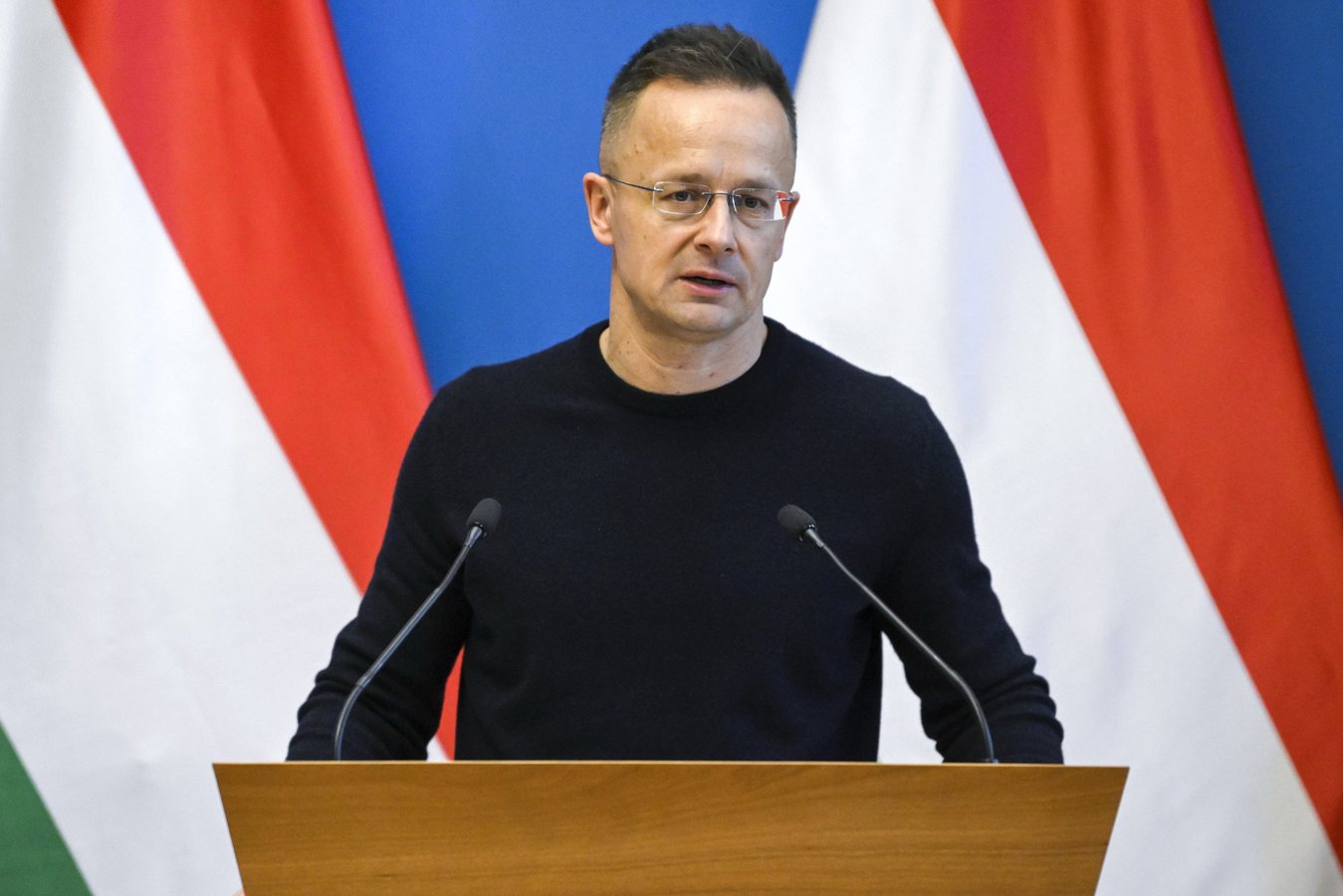
A press conference is one of the few political formats in which a minister does not control every variable. Reporters decide what to ask, follow-ups can expose gaps in an answer, and an unexpected question can redirect the event. A new account from Hungarian outlet 444 suggests Péter Szijjártó’s foreign ministry narrowed that uncertainty by managing not only the speaker and schedule but also the room.
Sources inside the ministry told 444 that employees from different departments were sent to Szijjártó’s press conferences to fill seats. Units were told how many people they were expected to provide, with roughly 50 to 60 places to be occupied. Staff had to arrive at least 30 minutes early and were expected to be seated in silence before the minister entered.
The arrangement extended to the exit. Employees were told not to stand until Szijjártó had left. When volunteers were insufficient, managers assigned staff to attend. What looked from a camera position like an audience gathered for a media event could therefore include a large number of civil servants present because their workplace required it.
The institutional issue is sharpened by the report’s account of press access. 444 says independent outlets capable of asking critical or unscripted questions were largely not invited. One ministry employee recalled briefings where the only actual reporter appeared to be from the state news agency MTI. That source also described an occasion when a ministry press officer suggested what question should be asked.
The effect, if the accounts are representative of the broader practice, is a form of communication control that does not require cancelling a press conference. The event can remain on the calendar, cameras can record a crowded room and a question-and-answer segment can still take place. The decisive control point is upstream: who is allowed into the room with the professional mandate and independence to choose the questions.
444 had already been testing that access system through the courts. The outlet sought the lists of news organizations invited to Szijjártó’s briefings and won a case over the information in 2024. By August 2025 it said it had initiated enforcement because the ministry had not complied with the final ruling. Its earlier reporting said a significant portion of the Hungarian press, including 444 itself, could not attend the conferences and question the minister.
The political setting has since changed. Hungary’s current government site lists Anita Orbán as foreign minister and deputy prime minister; Szijjártó is now a former foreign minister. That makes the 444 report an account of how a previous administration operated a high-profile communications channel rather than a claim about the present ministry’s procedure.
For institutions, the lesson is in the architecture rather than the optics. Public accountability can be constrained without banning questions outright if invitations, seating, access and the composition of the audience are centrally managed. The next evidence to watch for is administrative: departmental emails, staffing rosters or invitation records. Those could show whether the system described by employees was occasional protocol management or a standing method for producing the appearance of a conventional press conference while keeping the range of questioners narrow.
59