Society 6 min read By Alice Ashford
Libraries Become Cost-of-Living Hack as Card Sign-Ups Surge
US libraries are reporting a rise in card registrations and circulation as households cut spending, with some offering business discounts, repair cafes and digital help alongside free books and streaming.
Libraries across the United States are emerging as an unlikely cost-of-living tool, with some branches reporting a surge in new card registrations as households look for free alternatives to paid entertainment, subscriptions and everyday services.
The Brooklyn Public Library recorded 150,018 new card registrations in the year to August, up 16 per cent on two years earlier. In Glenview, Illinois, a suburban Chicago library added 2,656 new cardholders by 31 August, an 8 per cent increase on the previous year. Circulation of audiobooks, films, ebooks and television streaming at the same library jumped 38 per cent.
The rise comes as prices for cinema, theatre and concert tickets have climbed 27 per cent since before the pandemic, according to Bureau of Labor Statistics data, while overall prices rose 3.4 per cent in the past year. With electricity and grocery bills straining household budgets, small indulgences such as buying a hardcover book or going to the cinema have become harder to justify.
A library card now unlocks more than thousands of books, films and television shows. In Glenview, the card doubles as a discount pass, with 34 local businesses offering deals to cardholders throughout September, which is Library Card Sign-Up Month. The offers range from 10 per cent off wine to a free month of robotics classes. The library partnered with 25 local businesses for the scheme, turning a way to borrow books into a way to save money.
«The things that are bringing people into the library are changing,» said Carolyn Bennett Glauda, programmes and outreach manager at the Southeastern New York Library Resources Council. «Libraries are kind of the last bastion of a place where you can go and get help for any number of things beyond just books and physical media.»
Through digital lending services such as Hoopla and Libby, cardholders can borrow ebooks, audiobooks and films without paying for subscriptions, which cost the average American $111 per month across all services, according to a CNET survey. Libraries are also expanding into services that people would otherwise pay for, from streaming and tech support to repairs and food distribution.
Glauda said she is training librarians to be «digital navigators» who help patrons get a device or learn to use their own, funded by a mix of state and federal grants. «Instead of having to go to the Apple Store or the Geek Squad, they can go to the library and get help with getting on Zoom or creating a resume or just troubleshooting strange problems, like with accessibility features,» she said.
Each library is «uniquely attuned to their community», she added. Glauda has seen libraries hosting «repair cafes» that help visitors fix and reuse lamps, clothes, jewellery and toys so they do not go into landfill. Her local library in Beacon, New York, lends out a robot cat designed to be a companion for senior citizens.
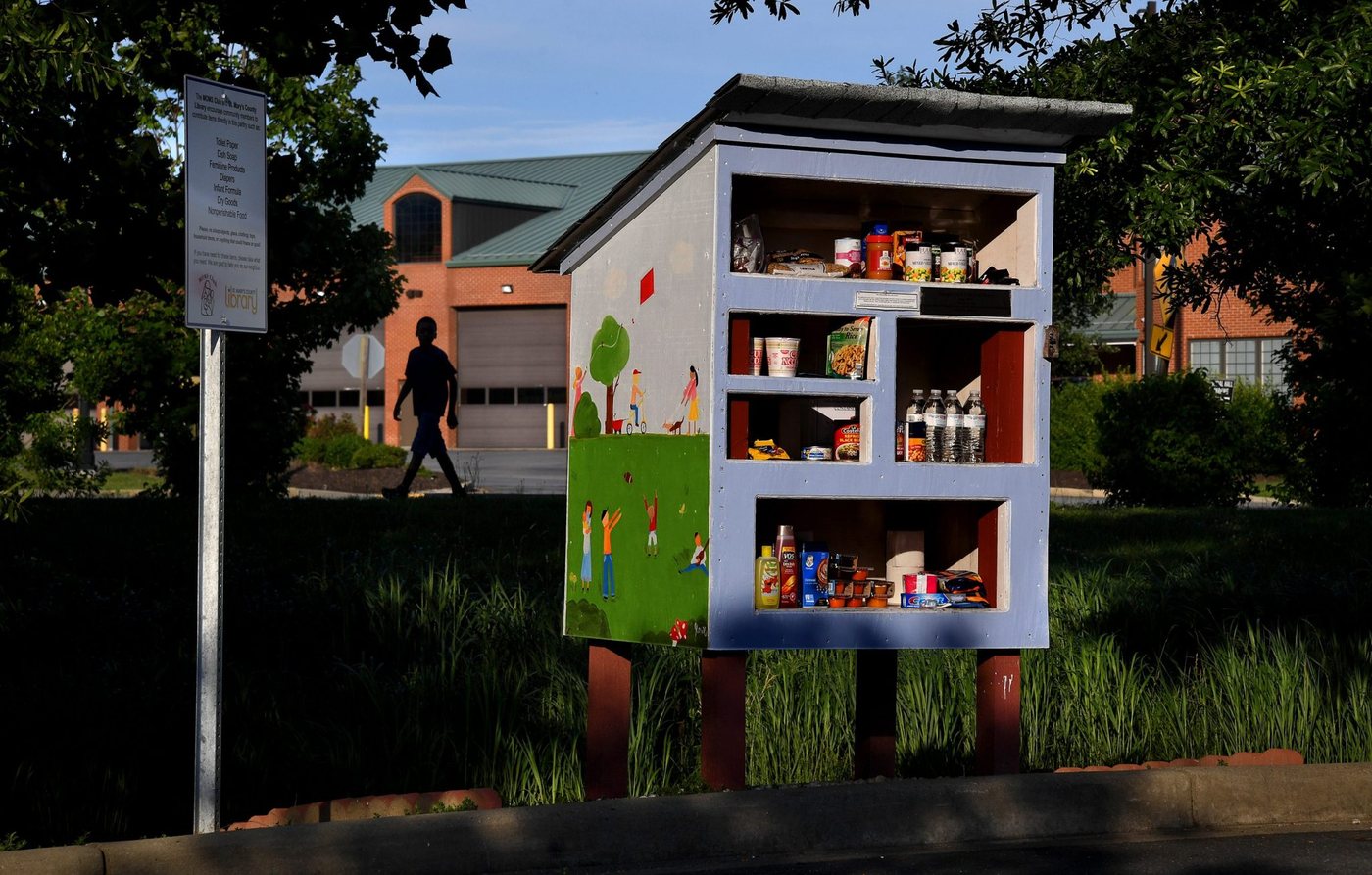
Libraries are also using these services to advertise what they already offer. Glauda's local library recently cleared part of the street in front and held a few parking spaces so a food distribution van could pull up and hand out groceries directly to people, no library card required. It also moved the Main Street community refrigerator indoors after it kept breaking down in bad weather.
«It used to be that people would come to the library and then find out. The common refrain is always, 'Nobody ever told me that you had all of this,'» Glauda said. «Now libraries are being a lot more proactive.»
Some research suggests library use rises during hard times. A 2022 study published in Public Library Quarterly by Michael Mabe, director of the Chesterfield County Public Library in Virginia, found that visits and checkouts per person at 541 highly rated US public libraries rose modestly but at a statistically significant amount during the Great Recession. Library card ownership hit a record of 68 per cent of Americans in August 2008, weeks before Lehman Brothers collapsed, according to a Harris Poll commissioned by the American Library Association.
But a 1985 study in The Library Quarterly found no significant relationship between local economic conditions and library use, though under looser measures card registrations did rise with unemployment. Like other unofficial recession signals such as the lipstick index, which tracks whether shoppers swap big purchases for small treats, library sign-ups could be an imperfect read on the economy. Part of the increase may also reflect Gen Z's love of analog hobbies and a search for antidotes to digital fatigue.
Whatever the economy does next, libraries remain some of the last surviving third spaces for people to get together. Glauda, who is also an elected member of the Beacon City Council, holds office hours for constituents in the library, which has a room set aside for civic meetings. Libraries also offer free programming such as crafting classes and puzzle exchanges.
5