
Politics 5 min read By Alice Ashford
Senators from Both Parties Urge Trump to Release Emergency Heating Oil as Prices Surge
A bipartisan group of US senators has called on President Donald Trump to release emergency heating oil from the Strategic Petroleum Reserve as prices for home heating fuel surge, putting pressure on households ahead of winter.
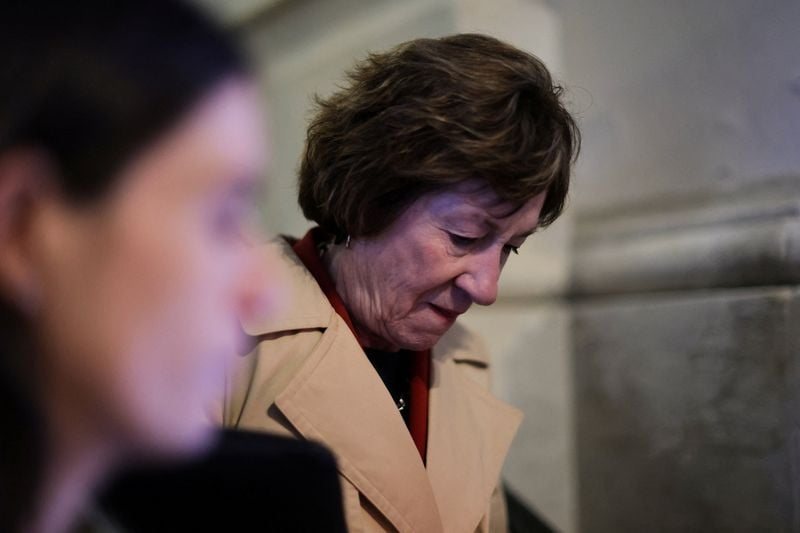
A bipartisan group of US senators has formally asked President Donald Trump to release emergency heating oil from federal reserves as prices for the fuel surge, intensifying pressure on the White House to act before winter demand peaks. The request, signed by senators from both parties, warns that rising heating oil costs are straining household budgets and could leave vulnerable Americans struggling to stay warm.
The senators are urging the administration to tap the Northeast Home Heating Oil Reserve, a dedicated stockpile created in 2000 to protect consumers in the Northeast from supply disruptions. Heating oil prices have climbed sharply in recent weeks, driven by higher crude oil costs, tight refining capacity, and strong global demand for distillate fuels. The surge has been particularly acute in the Northeast, where millions of homes rely on heating oil during the winter months.
In their letter to the president, the senators argue that releasing oil from the reserve would provide immediate relief to consumers and help stabilise a market that has become increasingly volatile. They note that heating oil prices are significantly higher than they were a year ago, and that forecasts for a colder-than-average winter could push costs even higher. The lawmakers stress that the reserve exists precisely for moments like this, and that using it now would be a prudent step to protect public welfare.
The call for action comes as the Trump administration has faced mounting questions about its energy policy. While the president has consistently championed American energy dominance and sought to boost domestic fossil fuel production, retail fuel prices remain a sensitive political issue. Heating oil is a key expense for many households in states such as Maine, New Hampshire, Vermont, Massachusetts, Connecticut, Rhode Island, New York, and Pennsylvania — several of which are expected to be competitive in upcoming elections.
The Northeast Home Heating Oil Reserve currently holds about one million barrels of ultra-low sulphur diesel, stored in terminals in Connecticut, Massachusetts, and New Jersey. It was last tapped in 2012 after Hurricane Sandy disrupted supply chains. Energy analysts say a release could temporarily ease price pressures, but they caution that the reserve is relatively small compared with the size of the global distillate market. A drawdown might calm local markets and signal that Washington is attentive to consumers’ pain, but it would not fundamentally alter the supply-demand balance.
Industry groups have offered mixed reactions. Some refiners and marketers argue that the reserve should be preserved for genuine emergencies, such as a major hurricane or geopolitical supply shock, rather than used to manage price spikes. Consumer advocates, however, counter that the current situation — with heating oil prices at multi-year highs and winter approaching — qualifies as an emergency for low-income households. They point out that federal heating assistance programmes have not kept pace with rising costs, leaving many families at risk.
The White House has not yet responded publicly to the senators’ request. Administration officials have previously said they are monitoring energy markets and are prepared to use all tools at their disposal if necessary. The president has also repeatedly criticised global oil producers for not doing more to lower prices, and his administration has urged domestic producers to increase output.
For now, the senators’ letter adds to the political pressure on the president. With heating season already underway in parts of the country, the decision on whether to release the reserve could have immediate consequences for millions of Americans — and for the broader debate over how the government should respond to energy price shocks.
6