Politics 5 min read By Callum Montgomery
Democrats Turn Iran War Votes Into Midterm Attack Ads
Democratic candidates and allied groups are spending heavily on advertisements linking Republican opponents to the Iran war and rising household costs, even targeting some Republicans who have never served in Congress and could not have voted on the conflict.
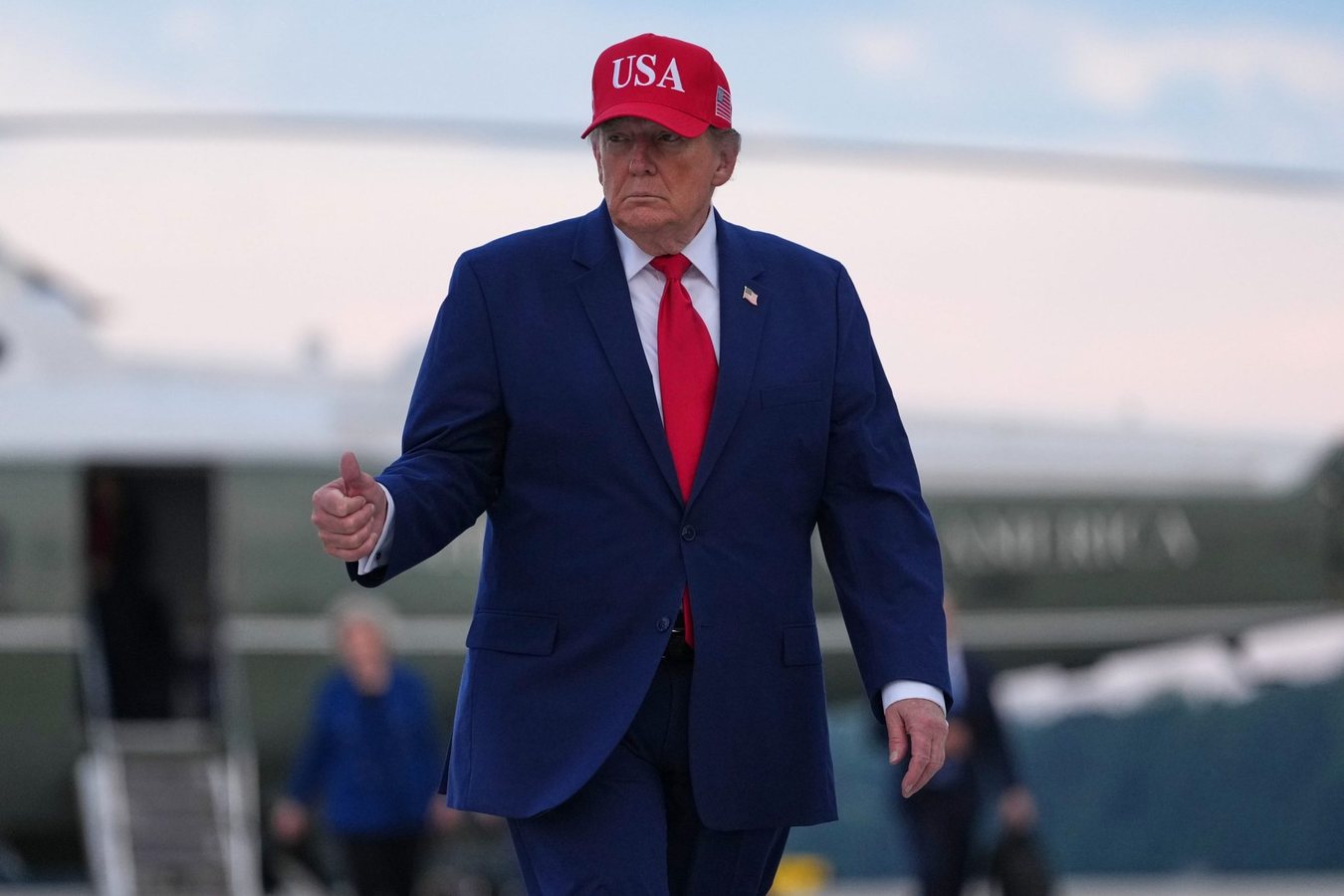
Democratic candidates and aligned advocacy groups are making the Iran war a central line of attack in the most competitive midterm races, tying Republican opponents to rising household costs even when those opponents have never held a seat in Congress and could not have voted on the conflict.
Advertisements in Wisconsin, Nebraska and Iowa illustrate the approach. In Wisconsin, a narrator says groceries and utilities are becoming more expensive and that Congressman Derrick Van Orden «voted for the costly Iran war and spiking gas prices». In Nebraska, Democratic candidate Chris Backemeyer accuses Republican Mike Flood of voting repeatedly for Trump's tariffs and the Iran war, «flooding us with higher prices on groceries, gas, cars and medicine». In Iowa, the group Vote Vets Action Fund says Republican Senate candidate Ashley Hinson voted five times for the Iran war, «giving us record prices for gas and fertilizer».
The strategy has been building since the spring, when Democrats repeatedly introduced war powers resolutions aimed at ending the conflict. Those votes had little practical effect but forced lawmakers to go on record. According to an analysis of advertising data, those recorded positions are now being used in campaign commercials across the country.
An examination of broadcast and cable advertising from 1 September to 14 October in the most competitive House and Senate races found that at least half of the 50 contests featured Iran-related advertisements, most of which also carried messages about the cost of living. The commercials aired on television more than 43,000 times over the period, at an estimated cost of $42 million. Of the 65 distinct Iran-themed advertisements identified, 61 stressed household cost-of-living messages such as higher fuel prices.
Republicans are largely avoiding the subject in their own advertising. Their main themes since September have been taxes and crime, followed by character, healthcare and immigration. «Talking about the Iran war is really not a winning message because you're playing on the Democratic turf,» said Republican strategist Ron Bonjean, who argued the better approach is to highlight Democratic weaknesses and mobilise the Republican base while winning over independents.
Some Republican candidates have nonetheless sought to distance themselves from the conflict. In Michigan, Senate candidate Mike Rogers has said the «war with Iran needs to end — and end quickly». His Democratic opponent, Abdul El-Sayed, has run advertisements saying a billion dollars a day is going to a war «we have no business fighting». In Maine, Republican Senator Susan Collins stressed in a recent debate that she had voted nine times to end the conflict, while her Democratic challenger, Troy Jackson, said she had voted five times to «make it happen».
The Senate has voted 14 times on resolutions seeking to halt or restrict President Donald Trump's military action against Iran, while the House has held six such votes since the conflict began in late February. In the latest House vote, seven Republicans sided with Democrats in voting to end the war, including four seeking re-election in highly competitive districts: Tom Barrett of Michigan, Brian Fitzpatrick of Pennsylvania, and Mariannette Miller-Meeks and Zach Nunn of Iowa. The yes votes were the first for Miller-Meeks and Nunn, reflecting growing unease with the war.
The concentration of Iran advertising varies sharply by district. In California's 48th Congressional District, around San Diego, roughly a third of the 12,000 advertisements aired touch on Iran. Democrats have seized on a remark by Republican Jim Desmond during the early days of the war that there would be «no pain, no gain», and his suggestion that higher prices were a temporary spike that would fall once Iran's nuclear capability was eliminated. An advertisement from Democratic candidate Marni von Wilpert asks: «No pain, no gain? Tell that to a family filling up their gas tank.» Desmond and the National Republican Congressional Committee responded with an advertisement that does not mention Iran but criticises von Wilpert's record on taxes and fees in San Diego and says Desmond supports suspending the gas tax.
Iran-related advertising is also prominent in Virginia's 2nd Congressional District, held by Republican Jen Kiggans, and in Maine's open 2nd Congressional District, where roughly a quarter of advertisements touch on the conflict.
4