Politics 4 min read By Arthur Ellington
European delegates walk out of IMF meeting as Russian finance minister speaks
Several European delegates left the International Monetary Fund's steering committee meeting when Russian Finance Minister Anton Siluanov began addressing participants in Russian, according to three sources familiar with the situation.
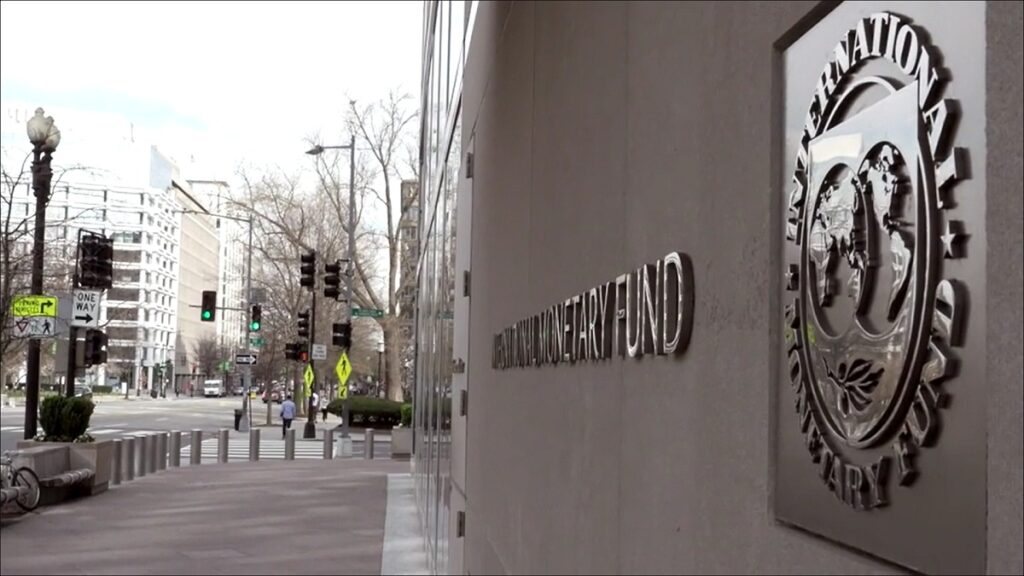
Several European delegates walked out of a meeting of the International Monetary Fund's steering committee when Russian Finance Minister Anton Siluanov began addressing participants in Russian, according to three sources familiar with the situation.
The boycott took place during a session of the International Monetary and Financial Committee (IMFC), the IMF's main advisory body, which was meeting as part of the fund's annual gatherings. Siluanov had begun his remarks in Russian when a number of delegates from European countries left the room.
The walkout reflects the continuing strain in relations between Russia and Western economies more than three years after Moscow's full-scale invasion of Ukraine in February 2022. The war has reshaped the diplomatic atmosphere at international financial institutions, where Russia remains a member of the IMF but has faced sustained criticism from European capitals.
The IMFC brings together finance ministers and central bank governors from the fund's 191 member countries to advise on the direction of global economic policy. Its meetings are closely watched as a barometer of international cooperation on financial stability, debt relief and support for economies hit by conflict and energy shocks.
At the same gathering, IMF member states called for increased financial support for countries affected by the economic consequences of military conflicts and by rising energy prices. The discussions underlined how the war in Ukraine and other conflicts have become central to the fund's agenda, shaping both the tone of debate and the priorities of its members.
The incident involving Siluanov is not the first sign of friction at IMF events since the invasion. Russian officials have continued to attend the fund's meetings, but their appearances have repeatedly drawn protests and walkouts from delegations sympathetic to Kyiv. The decision by European delegates to leave the room was a visible signal of disapproval rather than a formal procedural challenge.
For the IMF itself, the episode highlights the difficulty of maintaining a functioning multilateral forum while geopolitical divisions remain sharp. The fund relies on consensus among its members to carry out its core work of surveillance, lending and crisis response, and public displays of division can complicate that effort even when technical cooperation continues behind the scenes.
The walkout was reported by three sources familiar with the situation, suggesting that the protest was coordinated among a number of European delegations rather than a spontaneous move by a single country. The identities of the delegations involved were not immediately confirmed.
Russia's finance ministry has not commented publicly on the episode. The IMF has also not issued a statement on the walkout, and it is unclear whether the disruption affected the remainder of the committee's proceedings.
The meeting's broader outcome focused on the economic fallout from conflicts and energy costs, with member states pressing for more support for vulnerable countries. That agenda item is likely to remain a priority as the fund assesses the impact of sustained geopolitical instability on global growth and public finances.
9