Economy 4 min read By Callum Montgomery
Lagarde Says Bond Selloff Will Help Slow Inflation
The European Central Bank president has linked rising government bond yields to tighter financial conditions, arguing the market move will weigh on inflation as the eurozone central bank weighs its next policy steps.
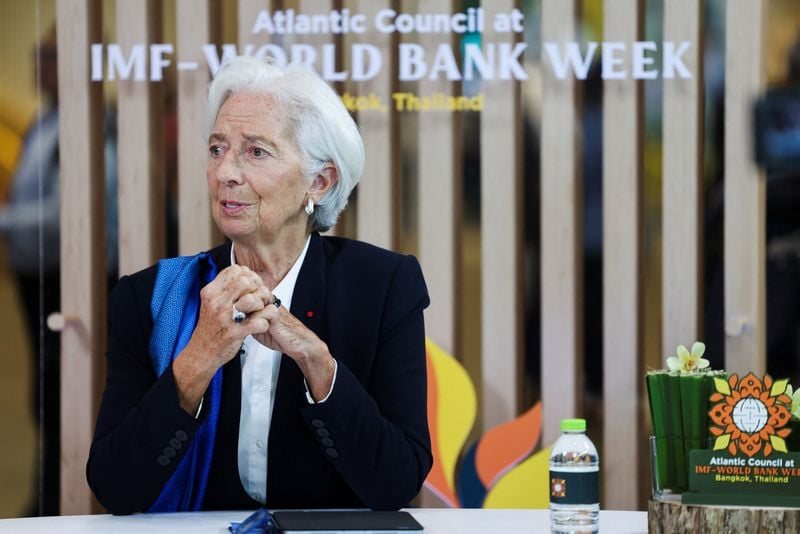
Christine Lagarde, president of the European Central Bank, has said the recent selloff in government bonds will help slow inflation, framing the rise in borrowing costs as a de facto tightening of financial conditions across the eurozone.
The remark places the ECB chief at the centre of a debate over whether market-driven increases in long-term interest rates can do some of the work of monetary policy, allowing the central bank to calibrate its own rate path with greater caution. Higher bond yields raise the cost of credit for households and businesses, dampening demand and, over time, price pressures.
Lagarde's intervention comes as investors reassess the outlook for inflation and public borrowing across major economies. A sustained rise in sovereign yields can tighten conditions faster than central banks intend, complicating the task of officials who must decide how quickly to ease policy without reigniting price growth.
For the eurozone, the transmission of higher market rates matters because the ECB sets a single policy rate for a currency area spanning very different national budgets. When yields rise, governments with heavier debt burdens face steeper refinancing costs, and firms that rely on bank and market funding confront higher interest bills. Both channels tend to restrain spending and investment, which is why central bankers watch bond markets closely as an indicator of how restrictive policy has become.
The ECB has spent much of the past two years navigating the final stretch of its inflation fight, weighing the risk of cutting rates too soon against the danger of holding them high for too long. Lagarde's comments suggest she sees the bond market as an ally in that effort rather than a threat, though the effect depends on how long the selloff persists and whether it reflects inflation expectations or fiscal concerns.
Her remarks also carry a political dimension. Finance ministries across the eurozone are preparing budgets against a backdrop of higher debt-servicing costs, and any suggestion that market pressure is helping the central bank's cause may be read differently in capitals grappling with constrained spending. The ECB has consistently argued that fiscal policy must complement monetary policy, and rising yields sharpen that message.
Investors will now look for further signals from ECB officials on whether the bond move changes the expected path for interest rates. Lagarde's framing implies the central bank can afford to be patient, letting market conditions absorb some of the tightening burden while it monitors wages, services prices and credit growth for evidence that inflation is returning sustainably to target.
The broader lesson is that in a heavily indebted world, the price of government borrowing has become a central transmission channel for monetary policy. Lagarde's assessment that the selloff will slow inflation is, in effect, a bet that markets are now doing part of the work that rate-setters would otherwise have to do themselves.
5