Politics 4 min read By Callum Montgomery
Chinese super-embassy critics vow to fight on after High Court ruling
Residents lose a High Court challenge over planning permission for a new Chinese embassy near the Tower of London but pledge to continue their campaign against the development.
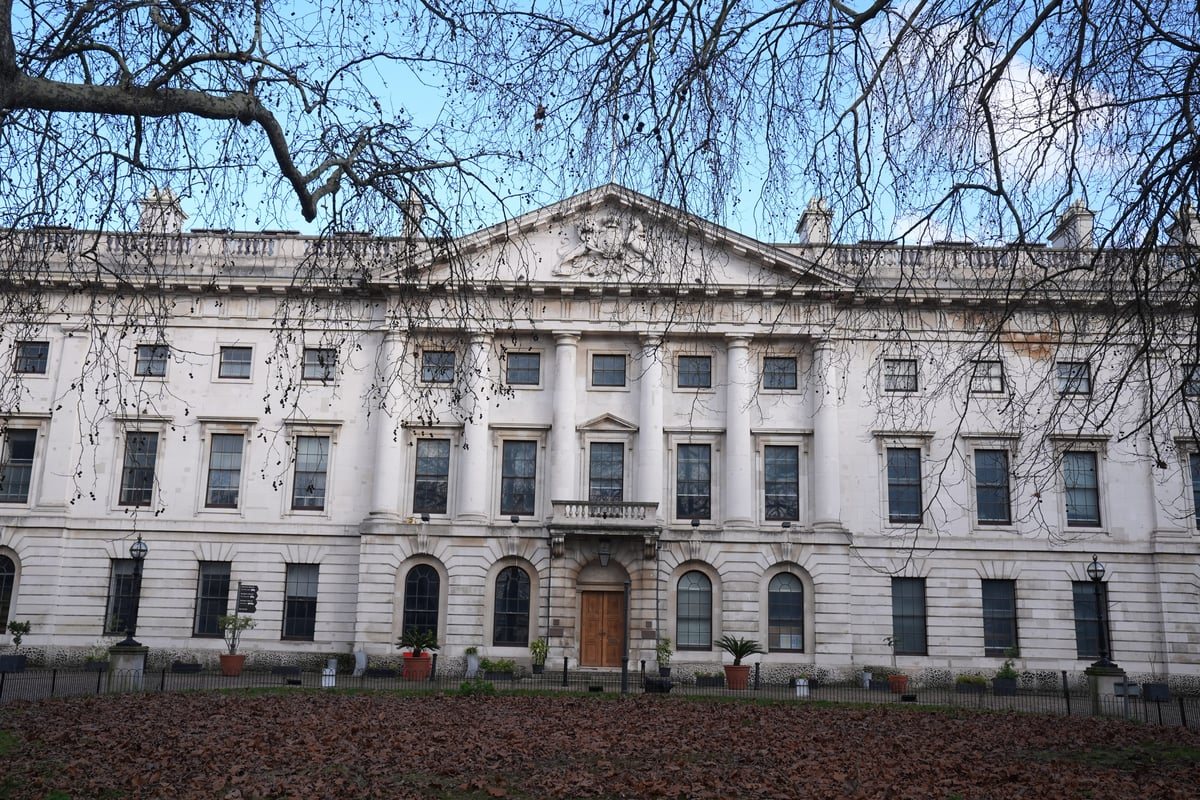
Campaigners opposed to the construction of a Chinese «super-embassy» in central London have vowed to continue their fight after the High Court dismissed a legal challenge against the government’s decision to grant planning permission.
The Royal Mint Court Residents’ Association (RMCRA) brought legal action against the Ministry of Housing, Communities and Local Government and the London Borough of Tower Hamlets over the proposed embassy, which is intended to be built close to the Tower of London. With the challenge now thrown out, the development is cleared to proceed.
Residents responded defiantly to the ruling, saying it «doesn’t change the fact that a fortress doesn’t belong in our community». The group has long maintained that the scale, security features and design of the proposed compound are wholly inappropriate for one of the most historically sensitive areas in the capital.
The project, dubbed a «mega-embassy» or «super-embassy» because of its planned size, has been intensely controversial since it was first proposed. Ministers approved the scheme despite significant public opposition and repeated warnings from security and political figures that the complex could be exploited as a large-scale spying centre.
Opponents have argued that locating a vast diplomatic fortress in the shadow of the Tower of London, one of Britain’s most famous landmarks and a magnet for tourists from around the world, would permanently alter the character of the neighbourhood. The residents’ association has also raised concerns about the impact of such a development on local safety, privacy and the everyday life of people who live and work beside the proposed site.
The residents’ association had argued that the planning approval should be overturned, but the High Court found no legal basis to quash the decision. The Ministry of Housing, Communities and Local Government and Tower Hamlets council had both defended the approval, and the court sided with them.
The High Court’s decision upholds the previous ministerial approval and removes a major legal obstacle standing in the path of the project. In dismissing the case, the judge accepted that the planning process had been lawful, dealing a significant blow to campaigners who had hoped to stop the embassy at the final hurdle.
The residents’ association said it remained determined to oppose the development and would carefully examine its options, suggesting the long-running battle may not yet be over. The group is expected to consider whether a further appeal is viable, while also continuing its public campaign against the embassy.
The ruling brings the latest chapter of the dispute to a close, with construction now cleared to move forward in a part of the capital that draws millions of visitors every year. Yet for the residents who have campaigned against the project for years, the fight is far from finished, and the political and security questions raised by the scheme are unlikely to disappear with the court’s verdict.