Business 4 min read By Arthur Ellington
Tokenised US stocks spark Wall Street power struggle
Robinhood's move to offer blockchain-based claims on shares has drawn fierce opposition from AMC, but the brokerage's approach could open US equities to global investors and force regulators to build a new legal framework.
Robinhood's decision to offer tokenised versions of US stocks has triggered a public row with AMC Entertainment, exposing a deeper conflict over who controls access to American equity markets. The dispute erupted after AMC's chief executive accused Robinhood of «contemptible, outrageous, disgusting, detestable, inexcusable, vile» behaviour for placing its shares on-chain without permission. Robinhood's chief executive responded that issuing a stock does not give a company total control over what buyers do with it.
The brokerage is buying batches of stock, creating a tokenised version of each share, and offering contracts that give customers a financial claim on those tokens. The arrangement is legally elegant and creates new opportunities. For investors in markets such as Brazil or South Africa, where trading commissions are steep and some US stocks are unavailable, tokenised shares make it cheaper and easier to own American equities. In the US, buying shares is already cheap, but that is not the case everywhere, and tokenised products are proving popular in those markets.
AMC's anger is partly a knee-jerk reaction to a technology that may undermine corporate control. But there are legitimate concerns. Traditional shares carry rights, notably the right to vote on certain corporate matters, that Robinhood's tokenised variation does not. There is also the question of who holds the underlying stocks. Robinhood and Coinbase work with a FINRA-registered intermediary called Alpaca that handles record-keeping. The risk of a reputable firm risking its reputation and a huge regulatory fine to defraud overseas investors is virtually zero. Yet it is easy to imagine a fly-by-night outfit offering AMC or Apple «tokens» backed by nothing, creating a panic that leads to a broader sell-off.
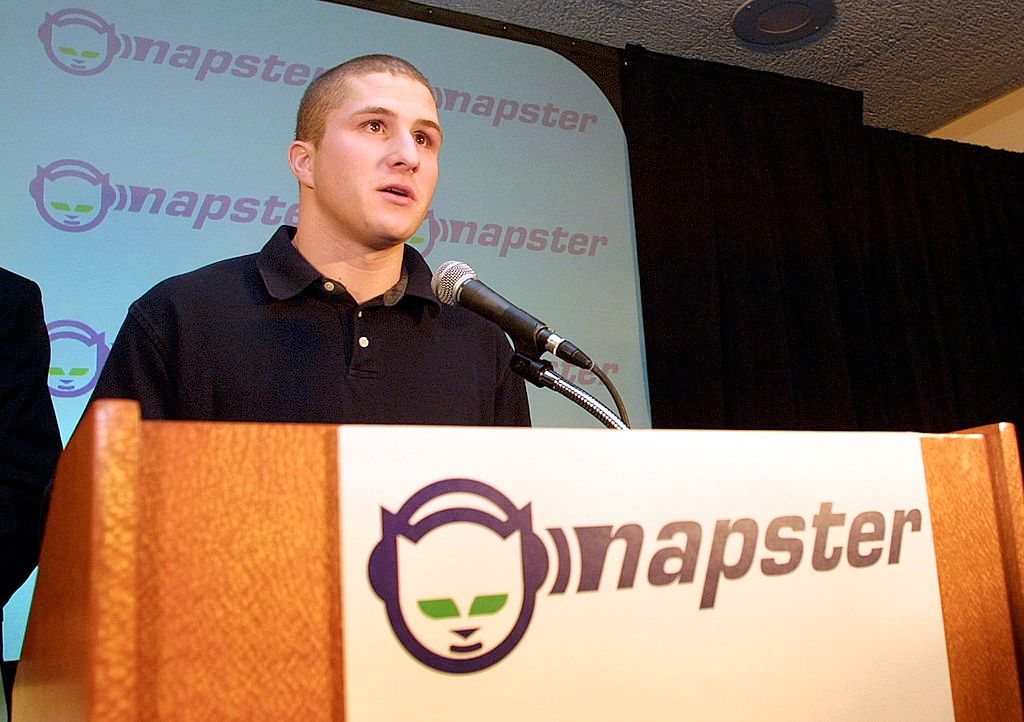
The answer is not to halt tokenised stocks but to create a legal framework that lets good actors operate. That is what happened after Napster, the file-sharing platform that upended the music industry 25 years ago. Metallica, Dr. Dre and record labels drove Napster out of business, but the technology could not be put back in the bottle. A bruising legal fight eventually led to platforms such as Spotify and Apple Music, where consumers can buy what they like and artists get paid. The fight over tokenised stocks is unlikely to be as bitter, not least because putting corporate shares on the blockchain does not involve fraught issues like copyright protection for artists.
The tokenisation push is getting support from big names. Nasdaq has invested $100 million in Payward, a blockchain-native financial firm. On the regulatory front, the SEC is already working on an innovation exemption for some forms of on-chain stock. Kinks remain, including whether the best way to offer tokenised stocks is the indirect «wrapper» model used by Robinhood or direct issuance on the blockchain, as newer firms such as Securitize and SuperState insist.
The bottom line is that stocks on the blockchain are coming faster than many expect. As the music industry found out, threats or litigation will never stop a new technology for long. The brokerage industry now faces its own Napster moment, and the outcome will shape how global investors access US equities for years to come.