Politics 4 min read By Alice Ashford
Iran to Brief Regional Ministers on Hormuz Shipping as Attack Kills One
An Iranian cargo vessel was struck off Qeshm Island, killing one and wounding four, a day before Tehran briefs regional foreign ministers in Oman on its contested plan to manage shipping traffic in the Strait of Hormuz.
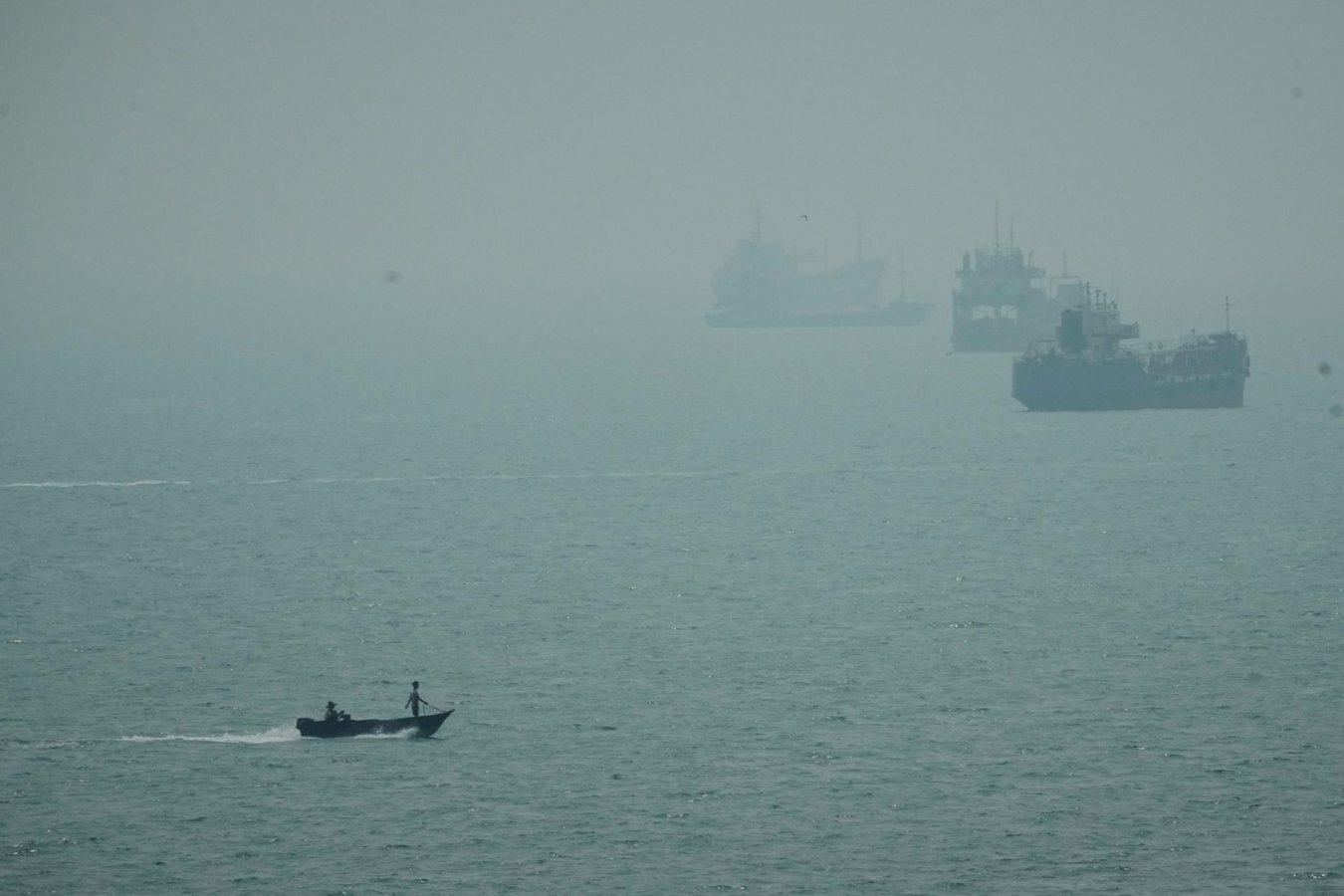
An Iranian cargo vessel was struck early on Sunday off Qeshm Island in the Strait of Hormuz, killing one person and wounding four, Iranian state media reported, a day before Tehran is due to brief regional foreign ministers in Oman on its contested efforts to manage shipping traffic through the waterway.
Iran's state-run IRNA news agency quoted the governor of Qeshm as blaming a «terrorist enemy» for the attack. The United Kingdom Maritime Trade Operations monitor said a vessel was hit by a projectile while transiting the strait, that a fire had broken out and that local authorities were evacuating those on board. It was not immediately clear whether the monitor was referring to the same incident. There was no immediate comment from the U.S. military, which has struck Iranian-flagged vessels during its blockade of Iranian ports and now faces a new threat from Iranian ballistic missiles launched at its warships.
Qeshm Island, about 14 miles (22 kilometres) from the port city of Bandar Abbas, is central to Iran's assertion of control over the Strait of Hormuz. Hours before the attack, Iran's government remained defiant. «Our people can't be bullied into submission. Iran won't surrender,» President Masoud Pezeshkian said in a social media post.
The attack returns regional attention to the Strait of Hormuz just days after Iran-backed Houthi rebels swept down Yemen's Red Sea coast, capturing an island on the Bab el-Mandeb Strait and applying new pressure to a crucial alternative route for global shipping. While the Houthis say they are targeting only neighbouring Saudi Arabia, which backs Yemen's internationally recognised government fighting the rebels, markets are wary and oil prices have risen again.
Commercial ship traffic remains low in the Strait of Hormuz as attacks continue on what was seen as an international waterway before the U.S. and Israel launched the war on 28 February. The U.S. has asserted that plenty of oil is getting out as its military helps guide ships along Oman's coast, at the risk of being struck.
Iran has said foreign ministers from regional countries will meet on Monday in Oman to discuss efforts by Iran and Oman, which sits on the other side of the strait, to manage shipping. Only Iraq has publicly confirmed its attendance, in a statement carried by the state-run Iraqi News Agency. It was not clear which other nations would be present. Bahrain has said it will not attend, citing a lack of diplomatic relations with Tehran.
Since early in the war, Iran has expressed interest in having ships pay fees for transit. It has said traffic into the Persian Gulf would pass through Iranian waters, while the outbound route would pass partly through Iranian waters and partly through Oman's. But Iran has said reaching an agreement with Oman on the strait does not mean it will open for shipping. «The waterway would be opened up on the condition that the U.S. will terminate its blockade,» Iran's president told broadcaster India Today TV on Saturday.
There was some optimism in the region about the meeting, with hope that Gulf nations might use it to assert a collective response to a war they had no part in starting. For months, they have faced Iranian attacks that Tehran has claimed target U.S. military assets on their lands.
«Oman is hoping that by presenting this agreement with a reasonable level of regional buy-in, the Trump administration will be forced to recognize that the future of the strait will be decided by regional countries,» said Esfandyar Batmanghelidj, who heads the Bourse & Bazaar Foundation, a think tank focused on Iran's economy, in a social media post.