Technology 4 min read By Alice Ashford
Musk Claims AI Data Centres Cut Power Bills as Analysis Questions Impact
Elon Musk says AI data centres are lowering electricity prices for consumers, but a closer look at the numbers suggests the picture is more complex, with grid costs, subsidies and regional variation complicating the claim.
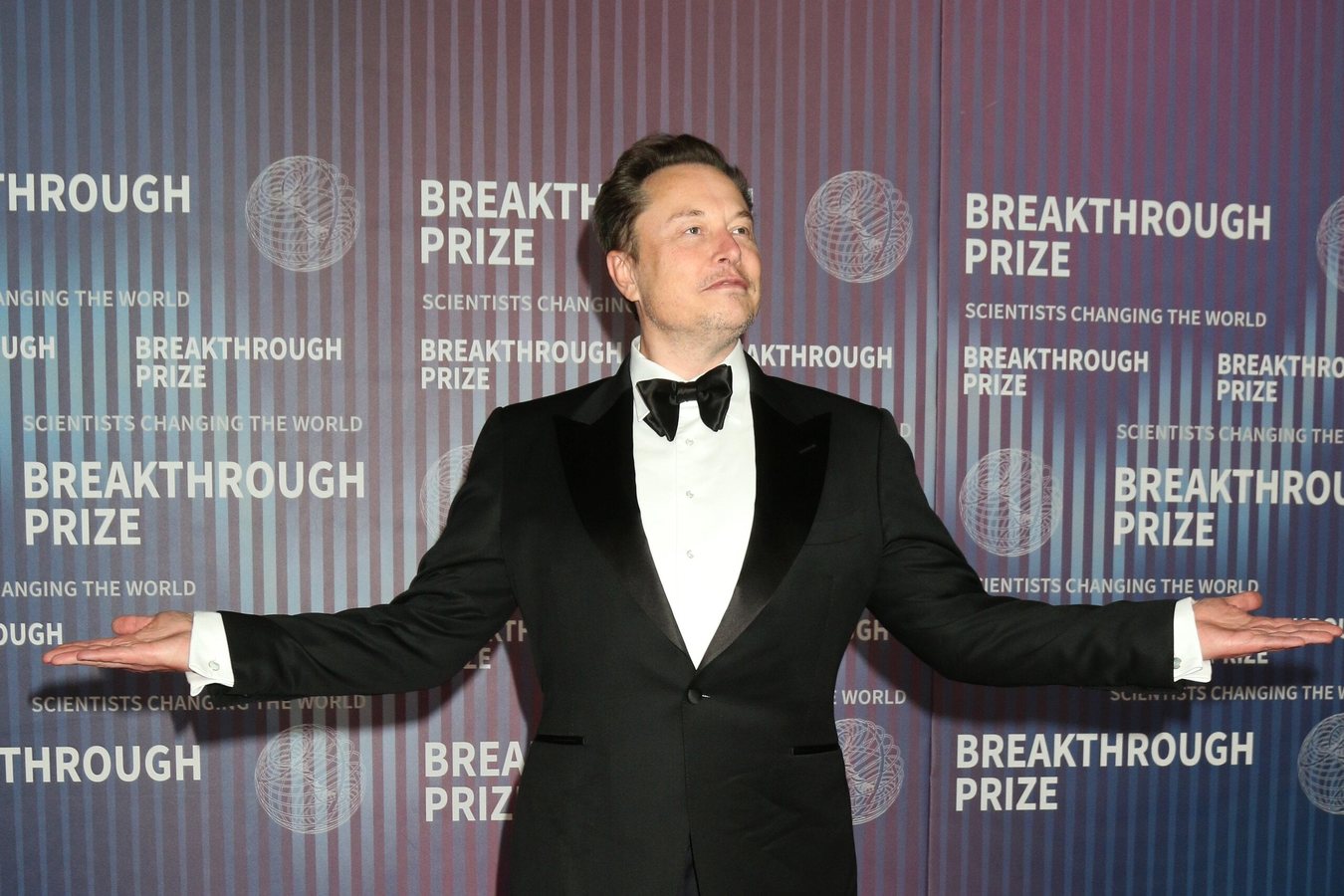
Elon Musk has claimed that the rapid build-out of artificial intelligence data centres is reducing electricity prices for households, arguing that the scale of new demand is driving efficiency and supply improvements across the power sector. The assertion, made as part of a broader defence of AI infrastructure investment, has reignited a debate over who ultimately pays for the energy-intensive computing boom and whether consumers are seeing any of the promised benefits.
Data centres have become one of the fastest-growing sources of electricity demand in Britain and other advanced economies. Operators are signing long-term power purchase agreements, funding new generation capacity and, in some cases, paying for grid upgrades that would otherwise fall to billpayers. Musk’s argument rests on the idea that this private investment expands supply and spreads fixed network costs over a larger base, easing pressure on household tariffs.
However, running the numbers on recent energy market data suggests the relationship is far from straightforward. In several regions where data centre construction has surged, wholesale electricity prices have remained volatile, and retail bills have continued to rise because of network charges, policy levies and the cost of maintaining standby capacity. The savings from private investment are not automatically passed through to consumers, particularly where regulated tariffs are set annually and include legacy costs.
Analysts also point out that data centres are highly flexible in their power usage, which can help balance the grid, but they also compete for renewable energy credits and can drive up local congestion costs. In areas with tight supply, the arrival of a large facility may require expensive reinforcements to transmission and distribution networks, costs that are often socialised across all customers. The net effect on household bills therefore depends heavily on the speed of new generation coming online and the design of the local market.
Musk’s companies have themselves been major buyers of electricity for AI training and cloud services, and his comments come as tech firms face growing scrutiny over their environmental footprint. The claim that AI data centres are lowering prices for consumers has been welcomed by some industry figures as evidence that private capital can solve infrastructure bottlenecks, but energy economists caution against generalising from isolated cases.
In Britain, the picture is further complicated by the country’s push to decarbonise the grid and the rising cost of maintaining ageing infrastructure. Ofgem has warned that network investment will need to increase significantly to accommodate new demand, and those costs will ultimately be recovered from billpayers. Whether data centres accelerate or delay that process depends on how quickly they connect and whether they bring their own generation or storage.
For consumers, the practical question is whether any savings will materialise before the next round of price cap adjustments. So far, the evidence is mixed. Some operators have funded local grid upgrades that reduced constraint payments, while others have simply shifted demand to regions with surplus power. The overall effect on national average bills remains small compared with the impact of gas prices and policy costs.
Musk’s intervention is likely to keep the spotlight on the energy demands of AI at a time when governments are trying to attract data centre investment while protecting households from further bill shocks. The debate is not just about technology, but about market design, regulation and who bears the risk of building the infrastructure that the digital economy depends on.