Economy 5 min read By Alice Ashford
Bitcoin and Ether Hold Steady as Fed Rate-Hike Expectations Mount
Cryptocurrency prices are attempting to stabilise as investors brace for a possible Federal Reserve base-rate increase at this week's FOMC meeting, with bond markets and inflation data adding pressure.
Bitcoin and ether were trying to hold their ground on Monday as expectations of a Federal Reserve interest-rate increase gathered pace, leaving cryptocurrency investors weighing the prospect of tighter monetary policy against the sector's recent resilience.
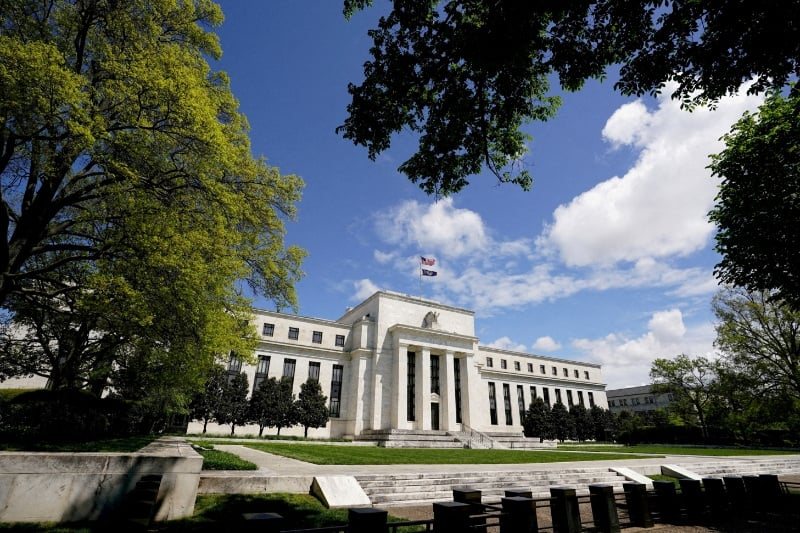
The Federal Open Market Committee is widely expected to raise the US base rate when its two-day meeting concludes on Wednesday, a move that would run counter to persistent calls from the White House for looser financial conditions. The latest jobs report came in stronger than anticipated, while inflation remains stubbornly above the central bank's 2% target, giving policymakers little room to stand pat.
For crypto markets, the prospect of higher rates is a familiar headwind. Rising borrowing costs tend to reduce appetite for riskier assets, and digital tokens have historically been sensitive to shifts in the rate outlook. Yet prices have so far avoided a sharp sell-off, suggesting that some investors are treating the expected hike as already priced in.
The broader financial backdrop is equally tense. Wall Street analysts describe a standoff between the Fed and the administration, with President Trump having lobbied aggressively for lower rates. Treasury Secretary Scott Bessent has acknowledged the bond market's power to discipline governments, telling the Economic Club of New York in June that «the bond market has taken out more governments than howitzers». His remarks were widely read as a signal that the White House understands the limits of pushing the central bank too far.
Fed Chairman Kevin Warsh, early in his tenure, faces a delicate balancing act. The bond market's reaction to June's FOMC meeting was telling: longer-dated yields pushed higher as investors absorbed a hawkish narrative, even without immediate policy follow-through. If yields spike while the base rate stays flat, it suggests markets perceive risks that policymakers have yet to address.
Ryan Sweet, chief global economist at Oxford Economics, warned on Friday that «the bond market could be losing patience with central banks sitting on the sidelines, forcing them to act». He noted that if a central bank holds back while inflation runs hot or supply shocks push prices higher, investors may interpret it as accepting a higher inflation path, driving long-term interest rates up.
UBS's Paul Donovan offered a similar assessment, cautioning that a surprise from Warsh could revive accusations of the Fed being a «sock puppet» and raise credibility questions, requiring a risk premium in bond pricing. That, in turn, would lift real borrowing costs for the government and private sector, with knock-on effects for investment and trend growth.
Bessent has already moved to soothe markets, launching a multi-billion-dollar Treasury buyback scheme that briefly pushed yields lower and aimed to ensure greater liquidity. The initiative underscores the administration's awareness that bond investors can impose their own form of discipline, regardless of political preferences.
For cryptocurrency traders, the immediate focus is Wednesday's decision and the guidance that accompanies it. A hike accompanied by hawkish language could test the market's ability to hold current levels, while any hint that the Fed is nearing the end of its tightening cycle might offer relief. With inflation still above target and employment strong, the central bank appears to have little incentive to soften its stance.
Bitcoin and ether have weathered similar periods before, but the combination of rising rate expectations, a watchful bond market and political pressure on the Fed creates an unusually complex environment. How digital assets trade through the remainder of the week may depend less on crypto-specific news than on the signals emanating from Washington and the Treasury market.