
Politics 4 min read By Arthur Ellington
Baka’s Presidency Is a Governance Test for Hungary’s New Supermajority
The former Supreme Court chief was elected president with 140 votes. His personal history with Orbán-era judicial reforms gives Péter Magyar’s institutional reset both credibility and a new constraint.
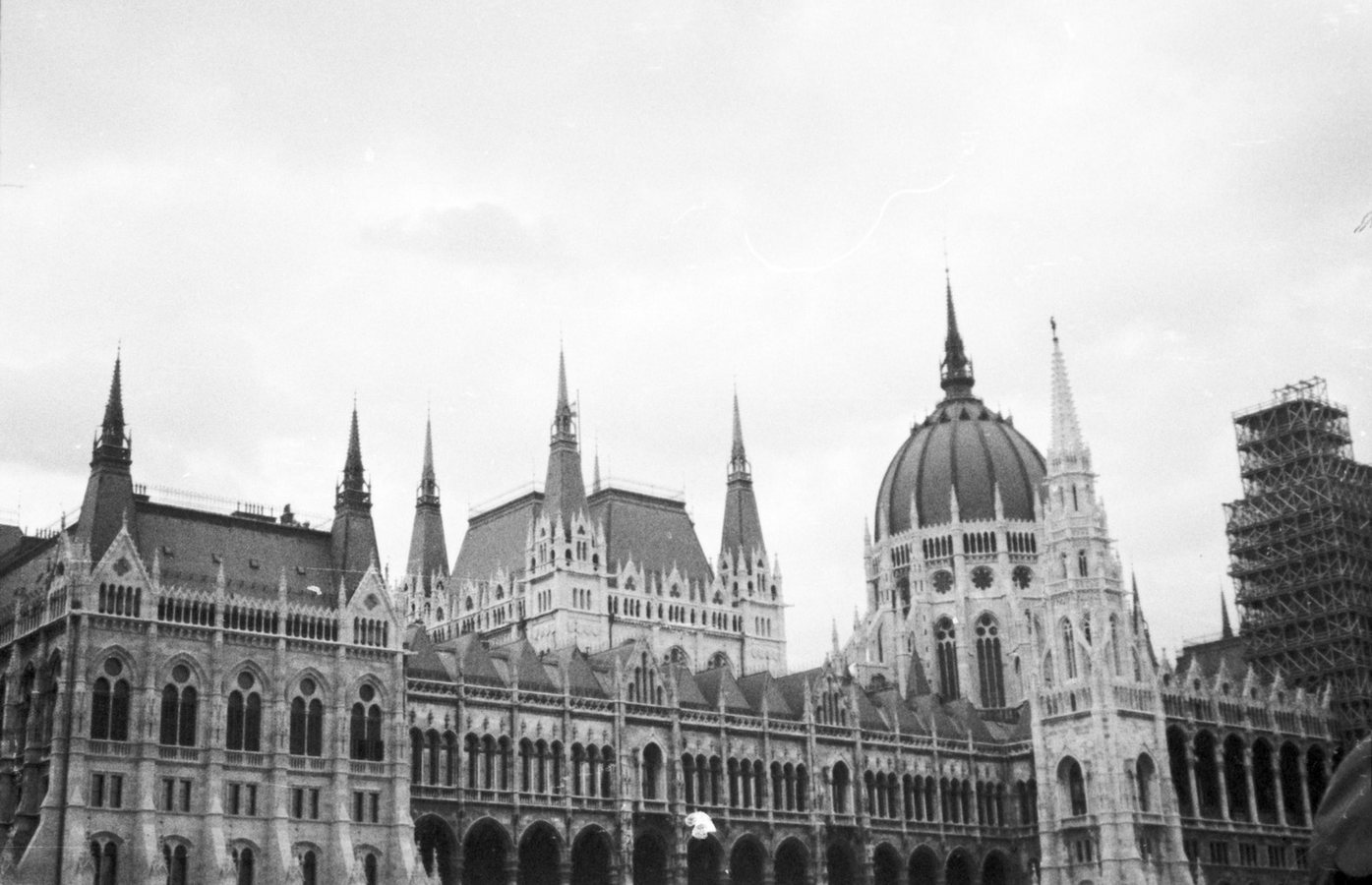
Hungary’s new governing majority has chosen a president whose career is inseparable from the country’s long argument over institutional independence. Parliament elected András Baka on Aug. 11 with 140 of the 146 ballots cast. The 73-year-old former Supreme Court chief is due to assume office on Aug. 19.
For Péter Magyar’s Tisza government, the appointment is an efficient piece of institutional signalling. Baka served for many years at the European Court of Human Rights before Parliament made him head of Hungary’s Supreme Court in 2009. His term was later cut short during the Orbán government’s reorganisation of the judiciary after he publicly criticised parts of the reform programme.
The dispute reached Strasbourg. In 2016, the Grand Chamber of the European Court of Human Rights found Convention violations in Baka v. Hungary. The case gave Baka standing as a symbol of judicial independence and now provides Tisza with a figure who can personify its claim that Hungary is rebuilding checks weakened during the Fidesz era.
The broader political context is essential. Tisza won a two-thirds parliamentary majority on 12 April, ending Viktor Orbán’s 16 years as prime minister. Magyar’s government has since moved quickly through institutions and rules associated with the former governing system.
In July, a constitutional process led to the departure of President Tamás Sulyok, clearing the way for a replacement. This is where Baka’s election becomes a governance test rather than a victory lap. The same constitutional arithmetic that once enabled Fidesz to reshape institutions is now available to Tisza.
A supermajority can move rapidly, but speed and legitimacy are not the same thing. Fidesz boycotted the presidential ballot and argues that the new government is using its parliamentary dominance in ways that resemble conduct it once condemned. That criticism does not erase the record of the Orbán years, but it identifies a real structural risk facing the transition.
Baka’s office is not executive. Hungary’s president is largely ceremonial, while the prime minister controls government policy. Yet the president participates in the legislative process and can become relevant when constitutional disputes arise. That gives Baka a potential role as an institutional check precisely when Tisza is rewriting parts of the state.
His post-election language suggested he understands the tension. Baka called for political neutrality, rejected revenge and spoke about healing social divisions. He also emphasised Hungary’s European identity. Those positions fit Tisza’s external narrative, but their value will emerge only if the president is willing to disagree with the government on procedure or constitutional limits.
For markets and institutions, this is not abstract. Predictable law, independent courts and credible limits on governing majorities influence investment, contract enforcement and Hungary’s relationship with European partners. Baka’s swearing-in on Aug. 19 begins the more consequential phase: his biography gives the government a powerful symbol, but his independence could provide evidence that the rebuilt system is capable of constraining its own architects.
52