Culture 3 min read By Callum Montgomery
Yayoi Kusama, Japanese artist who became a global superstar, dies aged 97
Yayoi Kusama, the Japanese artist whose polka-dot paintings and immersive installations made her one of the most recognisable figures in contemporary art, has died aged 97.
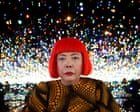
Yayoi Kusama, the Japanese artist who rose from an outsider figure to global superstardom with her polka-dot paintings, mirrored rooms and vast immersive installations, has died aged 97. Her studio announced that she died in a Tokyo hospital on 14 August, with the news confirmed on her official website on Thursday.
Kusama's career spanned more than seven decades, from the 1950s to the 2020s, during which she produced vivid paintings, sculptures and large-scale environments that often drew directly on her experience of hallucinations. She described her signature repeating patterns as a way of coping with the visual disturbances she had experienced since childhood, turning private psychological distress into public spectacle.
Born in Matsumoto, Japan, in 1929, Kusama moved to the United States in the late 1950s, where she became part of the New York avant-garde scene. She gained attention for her Infinity Net paintings and provocative happenings, but struggled financially and professionally for years before returning to Japan in the 1970s. She voluntarily checked into a psychiatric hospital in Tokyo in 1977, where she lived for the rest of her life, working from a nearby studio each day.
Her breakthrough to mainstream fame came later in life. In the 1990s, Kusama represented Japan at the Venice Biennale, and her retrospective exhibitions began drawing record crowds. Her Infinity Mirror Rooms, in which viewers stand inside mirrored chambers filled with LED lights or pumpkins, became global cultural phenomena, attracting queues of visitors at museums from London to Los Angeles. Museums reported that her exhibitions consistently ranked among their most popular ticketed shows.
Kusama's commercial success also set records. In 2014, her painting «White No. 28» sold for more than $7 million at auction, and her work became a staple of major auction houses. She collaborated with brands including Louis Vuitton, bringing her polka dots to handbags and storefronts worldwide. Despite her commercial reach, she maintained a disciplined studio practice, producing new paintings and sculptures well into her nineties.
The artist's influence extended beyond galleries into fashion, design and popular culture. Her pumpkin sculptures, often rendered in yellow with black polka dots, became instantly recognisable symbols of contemporary art. A large pumpkin installation on the Japanese island of Naoshima was destroyed by a typhoon in 2021 but later reinstalled, reflecting the enduring public attachment to her work.
Kusama's death marks the end of a career that transformed perceptions of what contemporary art could be, bridging high art and mass appeal. Her work is held in major collections worldwide, including the Tate in London, the Museum of Modern Art in New York and the National Museum of Modern Art in Tokyo. She is survived by her vast body of work, which continues to tour internationally.
71