Business 4 min read By Bethany Hadley
MacKenzie Scott's $7bn Giving Dominates US Mega-Philanthropy as Total Hits $617bn
MacKenzie Scott accounted for one-third of America's $19.2bn in mega-gifts in 2025, as total US charitable giving rose 5.7% to $617.2bn, according to Giving USA and Indiana University.
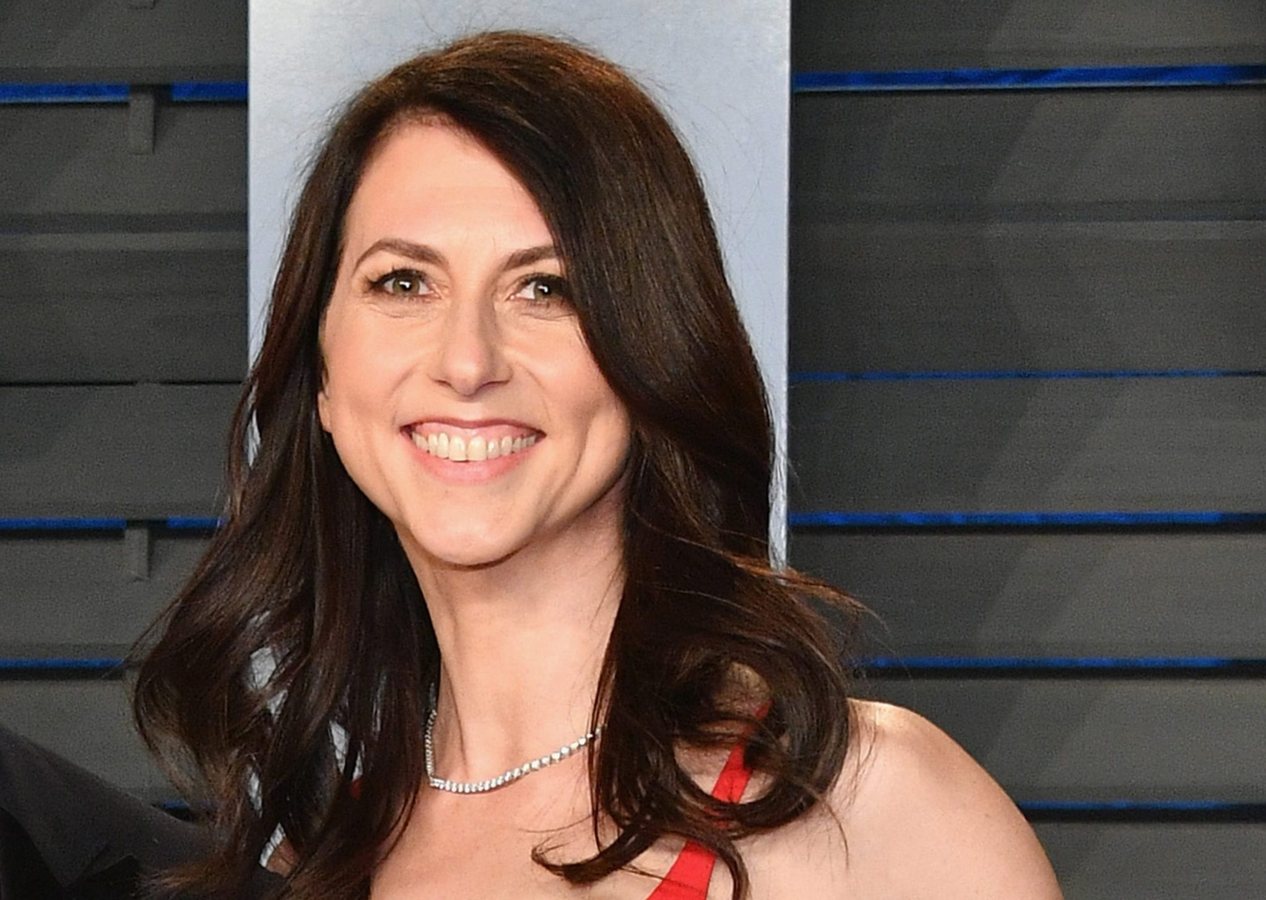
MacKenzie Scott, the ex-wife of Amazon founder Jeff Bezos, accounted for one-third of the $19.2bn in mega-gifts made by American donors in 2025, according to data from Giving USA and the Indiana University Lilly Family School of Philanthropy. Her roughly $7bn in donations last year brought her cumulative giving to $26.2bn in just five years, spread across thousands of organisations focused on housing, diversity, disaster recovery and other causes.
The scale of Scott's giving stands out even among the world's wealthiest philanthropists. Other major donors in 2025 included Michael Bloomberg, who gave $4.3bn, Bill Gates at $3.7bn, Warren Buffett at $1.34bn, and Susan and Michael Dell with nearly $1bn. Together, these mega-donors form part of a broader philanthropic engine that saw total US charitable giving reach $617.2bn in 2025, a 5.7% increase on the previous year, according to the Giving USA report released on Tuesday. The figure covers donations from individuals, bequests, foundations and corporations to US charities.
Gabe Cooper, vice chair of the Giving USA Foundation and founder and CEO of Virtuous, described it as a positive year for charitable giving, noting that virtually all categories of recipient organisations achieved solid or better growth at the aggregate level. The causes that attracted the most funding included religion, human services, education, health, international affairs, and arts and culture.
Despite her extraordinary generosity, Scott was notably absent from the Chronicle of Philanthropy's list of the top 50 donors this year. The omission stems largely from her deliberately low-profile approach: she does not seek press coverage for her gifts and rarely offers insight into her donations. The Chronicle noted that while it is possible Scott made gifts to donor-advised funds that would have qualified her for the Philanthropy 50 list, she and her representatives declined to provide such information.
Scott's giving is driven less by recognition than by personal experience. Much of her philanthropy was inspired by acts of kindness from her past, including a college roommate who gave her $1,000 so she would not have to drop out, and a dentist who provided free dental work when he knew she could not afford it. In a December 9 essay, she wrote that such ripple effects make it impossible to imagine the power of our own acts of kindness, arguing that the potential of peaceful, non-transactional contribution has long been underestimated. She added that generosity and kindness engage the same pleasure centres in the brain as sex, food and receiving gifts, and improve health and long-term happiness.
Following her divorce from Bezos, Scott signed the Giving Pledge, promising to give away the majority of her net worth. She has steadily chipped away at that commitment, yet due to the power of the Amazon shares she received in the divorce, her net worth still sits at nearly $37bn. Her giving has barely made a dent in that total, underscoring the sheer scale of the fortune she is working to distribute.
The broader picture is one of a US philanthropic sector that continues to grow, even as the concentration of mega-giving among a small number of ultra-wealthy donors raises questions about the influence and direction of charitable capital. With Scott's quiet but vast contributions leading the way, the 2025 figures suggest that the largest American donors are playing an increasingly dominant role in funding causes from housing to disaster relief.
3