Culture 5 min read By Callum Montgomery
Ella Langley's 24-week No. 1 exposes the collapse of cultural monoculture
Ella Langley's «Choosin' Texas» set a Billboard Hot 100 record with 24 weeks at No. 1, yet only 24% of U.S. music listeners knew who she was — a sign that algorithmic feeds are dismantling shared cultural reference points.

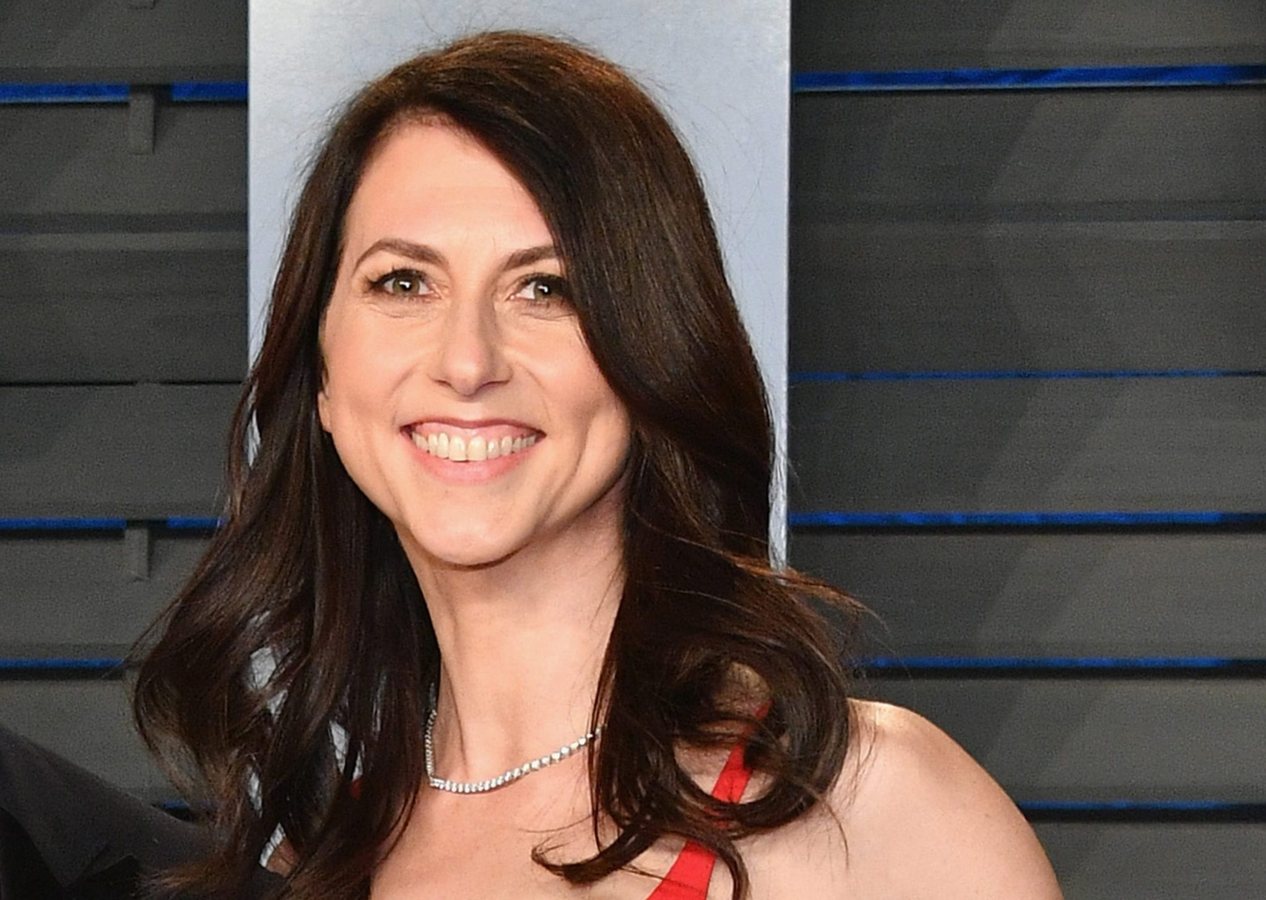
Ella Langley's «Choosin' Texas» has become the longest-running No. 1 single in the 68-year history of the Billboard Hot 100, spending 24 weeks at the top of the chart. The record was previously held by Mariah Carey's «All I Want for Christmas Is You», which managed 22 weeks. The run ended on the chart dated 10 October, when Taylor Swift's «Patient Zero» debuted at No. 1. Carey's seasonal staple, which tends to return to the top each December, would need three more weeks at No. 1 to reclaim the record.
What makes the achievement remarkable is how few people appear to have noticed. Just 24% of U.S. music listeners knew who Ella Langley was in the second quarter of 2026, according to entertainment data and research company Luminate. That figure was up from 13% in the fourth quarter of 2025 and 17% in the first quarter of this year. Her recognition was growing, but it still reached fewer than one in four music listeners. A record-breaking No. 1 hit, it seems, can still leave a majority of the public asking who the artist is.
The gap between chart success and public recognition points to a broader shift in how culture is consumed. Monoculture — the shared set of songs, shows and films that people could assume others knew, whether they liked them or not — depended on a media environment where a handful of television networks, radio stations and MTV acted as gatekeepers. Those gatekeepers decided what reached a mass audience, and shared references followed. That audience was never universal, and fragmentation began long before TikTok, but personalised feeds have accelerated the division. What reaches a given user increasingly depends on what the system predicts that individual will want to see.
TikTok's For You feed is the clearest example. The company states that «there's no one For You feed», and its recommendations draw on what users like and share, who they follow, and whether they watch a video to completion. The system also analyses the videos themselves — their captions, sounds and hashtags — alongside language preference, country setting and device type, though TikTok says those carry less weight. The company says it works to keep feeds varied, for instance by generally avoiding two consecutive videos that use the same sound or come from the same creator. In the United States, that system is now overseen by the Oracle-backed joint venture that took over TikTok's American operations in January, which has said it will retrain the recommendation algorithm on U.S. user data.
Researchers have observed the feedback loop in action. A study published in EPJ Data Science in February tested TikTok's For You feed using automated accounts programmed with different interests. It found that TikTok increasingly recommended videos matching those interests, with reinforcement typically kicking in within the first 200 videos watched. Feeds retained some variety, but the more strongly an account's interests were amplified, the fewer different hashtags it tended to encounter. The experiments were run in 2024, before the change in U.S. ownership. The result is a landscape in which one person may believe a song is dominating the internet while their neighbour sees an entirely different feed and wonders what the fuss is about.
Users can also narrow their own selection. TikTok offers tools such as a «Manage Topics» setting that lets people indicate which subjects they want to see more or less of. Signals can come from outside the app as well. Meta announced in June that it would use information other businesses already share with it, such as purchases made on other websites, to personalise feeds and AI responses, not just advertising. The company's own example: buy a tent online and you may begin seeing more camping Reels. Users can manage this through a setting called «Activity from other businesses».
Not everyone welcomes the convenience. The New Yorker writer Kyle Chayka set out his objections in a book, «Filterworld: How Algorithms Flattened Culture». Speaking to NPR's Fresh Air in 2024, he argued that digital platforms and feeds promise a great communal experience but in practice atomise it, because users can never tell what others are seeing in their own feeds. That, he said, drains some of the joy from art and makes it harder for people to get excited about the same things. Smarter algorithms may leave listeners in separate bubbles — and if something never reaches you, there is no way of knowing whether you would have liked it.
7