Economy 4 min read By Arthur Ellington
HSBC names eight emerging markets to watch in 2027
HSBC has identified eight emerging markets it believes investors should consider in 2027, as global capital shifts toward economies with stronger growth, improving governance and deeper local markets.
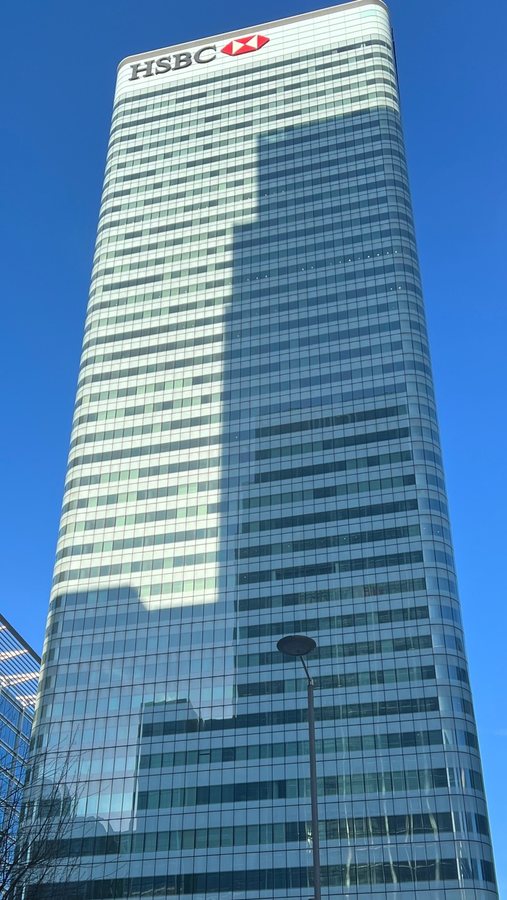
HSBC has named eight emerging markets that it believes investors should consider in 2027, in a signal of how global capital is expected to rotate toward economies with stronger growth prospects, improving governance and deeper local financial markets.
The list, published by the bank's research team, is intended to help institutional and retail investors think beyond the largest developing economies when allocating capital. Emerging markets have long been a core part of diversified portfolios, but the composition of those portfolios is changing as some countries improve their macroeconomic management while others struggle with debt, inflation or political instability.
HSBC's selection reflects a growing focus on markets that combine reasonable valuations with structural growth drivers. These can include favourable demographics, rising domestic consumption, commodity wealth, technological adoption or closer integration into global supply chains. For British investors, the question of where to find returns outside the United States and Europe has become more pressing as interest rates and currency movements reshape the calculus of overseas investment.
The bank's research highlights that emerging markets are not a single asset class. Countries grouped under the label can have very different inflation profiles, debt levels, current account positions and political systems. That divergence means investors need to be selective, and it helps explain why HSBC has chosen to single out a smaller group of markets rather than recommend a broad allocation.
Among the factors likely to shape performance in 2027 are monetary policy cycles. Many emerging market central banks moved earlier than their developed-market peers to raise interest rates when inflation surged, and some have already begun to cut. If inflation continues to ease, lower borrowing costs could support domestic demand and corporate earnings. At the same time, any renewed strength in the US dollar could put pressure on currencies and dollar-denominated debt, a recurring vulnerability for developing economies.
HSBC's list also comes as global supply chains continue to reconfigure. Companies and governments have been diversifying production away from a single dominant manufacturing base, creating opportunities for countries that can offer competitive costs, reliable infrastructure and access to major trade agreements. Markets that attract this kind of investment often see benefits that extend beyond exports, including job creation, technology transfer and higher productivity.
For investors, the practical implication is that emerging market exposure may need to be more granular. Index funds tend to be weighted heavily toward the largest markets, which means they can miss smaller economies with stronger fundamentals. Active managers and research teams are increasingly looking at country-level factors such as fiscal discipline, central bank credibility and the depth of local bond and equity markets.
HSBC's eight selections are not a guarantee of returns. Emerging markets remain volatile, and political risk, regulatory changes or external shocks can quickly alter the outlook. Currency fluctuations can also erode gains for investors whose liabilities are in sterling or another developed-market currency. The bank's research is best understood as a framework for discussion rather than a definitive forecast.
Still, the exercise matters because it shows where one of the world's largest banks sees potential. As 2027 approaches, the countries that manage inflation, maintain investor confidence and invest in productive capacity are likely to stand out. HSBC's list offers a starting point for investors weighing where the next phase of emerging market growth may come from.
7