Culture 5 min read By Alice Ashford
Gen Z Rejects Millennial Beige for 'Dopamine Decor', Designers Call It a Coping Mechanism
Younger consumers are turning away from minimalist white interiors in favour of bold colour, texture and the 'gummy bear aesthetic', a shift interior designers with mental health backgrounds attribute to anxiety and a search for comfort.
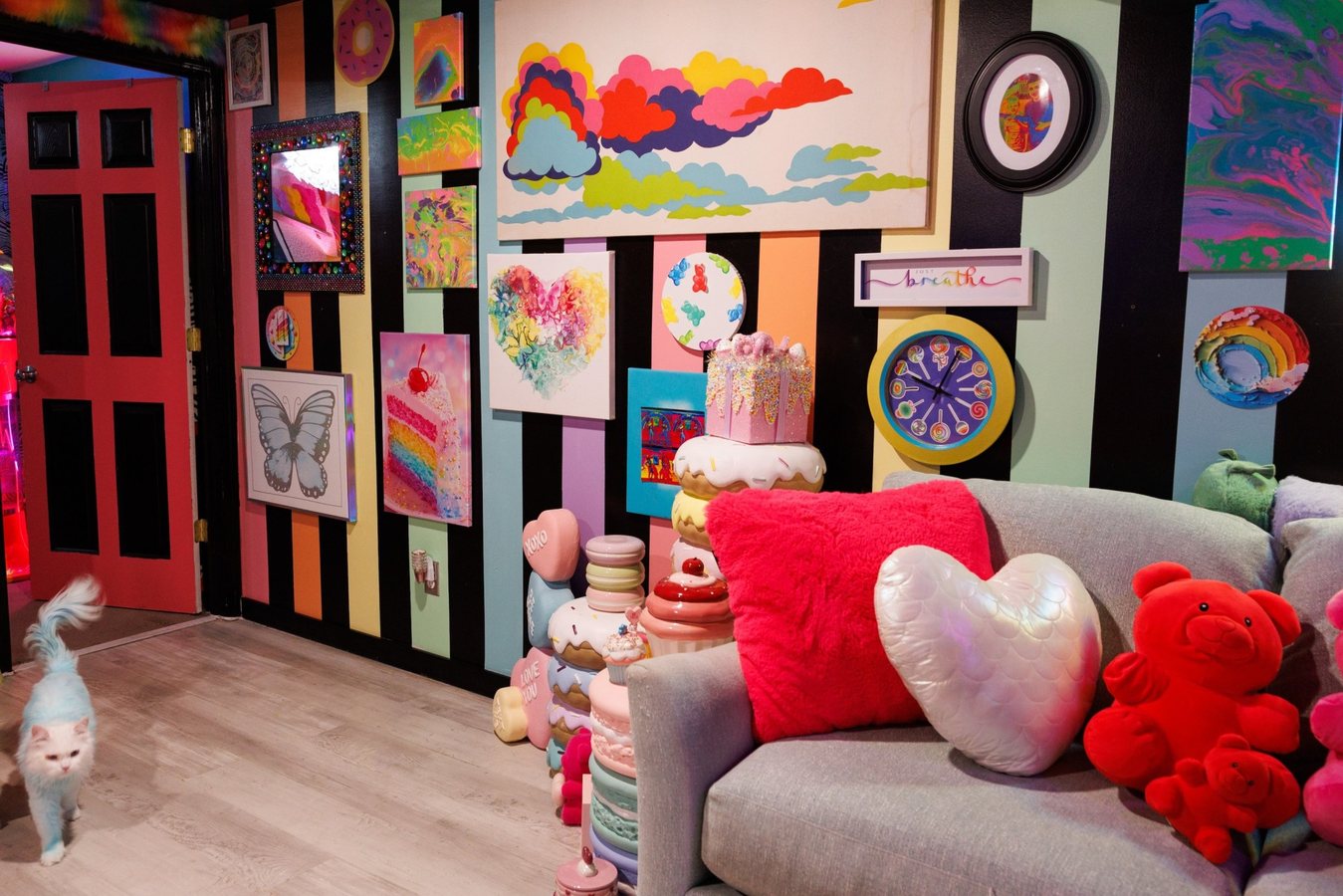
Pantone's decision to name a shade of white as its 2026 Colour of the Year has been met with an unexpected counter-current: a growing number of Gen Z and millennial consumers are rejecting neutral minimalism in favour of saturated colour, layered texture and rounded, tactile forms. The trend, variously labelled «dopamine decor» and the «gummy bear aesthetic», has become one of the most visible shifts in interiors and fashion this year.
Pantone announced Cloud Dancer, described as «a billowy white imbued with serenity», on 4 December 2025. It was the first time in the programme's history, which dates to 1999, that the company selected a white. Pantone framed the choice as a response to a society «rediscovering the value of quiet reflection», offering «a refuge of visual cleanliness». Yet the forecast sits at odds with what has actually gained traction among younger consumers, who are opting for maximalism in both their homes and their wardrobes.
Pinterest's annual trend forecast for 2026 predicts that Gen Z and millennials will drive what it calls an «ASMR overload», with searches for «gummy bears aesthetic» up 50 per cent. The platform expects bendy phone cases, elastic cheek tints, rubberised nail art and 3D jewellery to catch on, alongside probiotic treats with a springy texture. The aesthetic prioritises softness, rounded edges and vivid colour over the clean lines and muted palettes associated with the millennial beige era.
Two interior designers with previous careers in mental health argue that the shift is not merely aesthetic. Lori Miller, principal at LGC Interior Design in Melville, New York, studied social work and counselling before directing a psychiatric unit at the Rikers Island jail complex and a crime victims' programme for the Queens District Attorney's office. She says that while what people find calming is highly subjective, most gravitate towards blues or greens rather than white, and that greater colour, depth and contrast can be more soothing than crisp white spaces.
Miller links the trend directly to the pressures facing younger adults. «In our current period of upset, things are very serious, especially with the upcoming generation, the Gen Zs,» she says. «They've been through COVID, complicated presidencies, upheavals in politics and financial things; there are just so many different things that they've been through, and the 'gummy' style seems to keep us calm, to give us motivation. It's uplifting; it's bright and cheery.»
That assessment aligns with research showing rising anxiety among young adults and persistent money worries even among well-paid millennials and Gen Zers. Betsy Wentz, principal at Betsy Wentz Interior Design in Sewickley, Pennsylvania, and author of Design Happy: Colorful Homes for the Modern Family, also worked in counselling before moving into design. She argues that colour functions as information the nervous system scans for safety. Natural hues such as sky blue and grass green, she says, give the eyes less work to do, allowing heart rate and cortisol to settle.
Wentz contends that white can feel either serene or sterile depending on whether it evokes a grandmother's house or a cold hospital, because people pair colours with memories. «I think Gen Z and Millennials are pushing back on years of beige algorithm homes and a world that's felt very sharp and unpredictable,» she says. «When life feels sharp, you want a home that looks like it can't hurt you. Gummy is all rounded corners — literally no sharp edges — and saturated colour that feels alive. Everything looks tactile and chewy and squeezable.»
The sensory dimension is central. ASMR, short for autonomous sensory meridian response, describes the pleasant tingling calm some people experience in response to soft input such as whispering, tapping or watching something being squished. Wentz says the right visuals and textures can trigger that response, and that she encourages clients to touch fabric and wallpaper samples to find what feels good to them. «Gummy bear design feels good before you even think about it; it's colorful design that looks edible,» she says. «Your hand wants to touch it, and your brain says: 'Yum!'»
The trend reflects a broader mix of nostalgia and a craving for safety and comfort running through youth culture, from the retro design boom to conspicuous maximalist spending in place of quiet luxury. For designers, the lesson is that decorating for wellbeing may mean choosing colour and texture over the restraint that has dominated interiors for much of the past decade.
6