Business 5 min read By Callum Montgomery
Romania Hosts Launch of EU's €400bn Global Gateway Investment Strategy
Romania's foreign ministry has launched the EU's €400bn Global Gateway strategy in Bucharest, aiming to attract strategic infrastructure projects to the region. The programme opens funding and investment opportunities for public bodies, private companies and civil society.
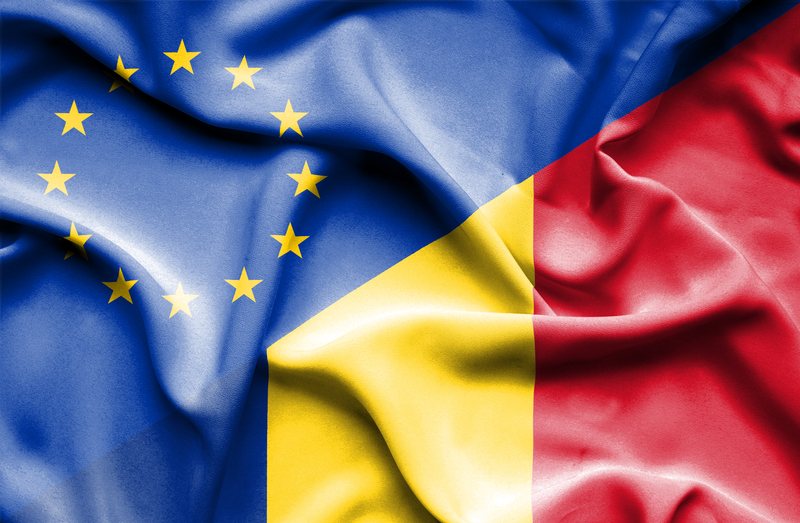
Romania has launched the European Union's Global Gateway investment strategy, a programme worth €400bn that is designed to mobilise infrastructure and connectivity projects worldwide. The foreign ministry hosted the event in Bucharest in a Team Romania format, bringing together public institutions, private companies and civil society representatives to explore how the country can draw strategic investment into the region.
The Global Gateway is the EU's flagship initiative to close global infrastructure gaps and strengthen economic resilience through sustainable, high-standard projects. It covers digital, energy, transport and health networks, and is intended to offer an alternative to less transparent financing models. For Romania, the launch signals an opportunity to position itself as a hub for EU-backed investment in Eastern Europe, particularly in energy, transport and digital connectivity.
The foreign ministry said the event focused on financing and investment opportunities available to the public sector, the private sector and civil society. Companies eligible for Global Gateway projects typically include those operating in infrastructure, renewable energy, digital networks, logistics and manufacturing, provided they meet EU standards on transparency, sustainability and governance. The programme also supports small and medium-sized enterprises through blended finance and guarantees.
The interim foreign minister emphasised Romania's interest in attracting strategic projects that could boost regional development and create jobs. The Team Romania format is intended to align national institutions, local authorities and business associations behind a common pitch for EU funds. The ministry did not specify which projects have already been submitted or which companies have expressed interest, but officials indicated that several sectors are under consideration.
The launch comes as EU member states debate the next long-term budget, with the European Parliament rejecting a proposal to cut the 2028-2034 multiannual financial framework by 8%. Romanian MEP Siegfried Mureșan warned that such a reduction would weaken Europe's competitiveness, defence and security at a delicate global moment. The budget fight could affect the scale of future Global Gateway funding, though the current €400bn envelope is already committed.
Separately, Romania has been pushing for better access to capital for its companies. At a recent ECOFIN meeting, finance minister Alexandru Nazare asked for deeper integration of European capital markets to make it easier for Romanian firms to obtain financing, taking into account the specific characteristics of developing markets. That request aligns with the Global Gateway's goal of crowding in private investment alongside public funds.
Global Gateway projects are selected through a competitive process managed by the European Commission and the European Investment Bank, among other partners. Eligible companies must demonstrate compliance with EU environmental, social and procurement rules. The strategy prioritises projects that are financially viable, environmentally sustainable and strategically significant for EU foreign policy.
For Romania, the main appeal is the chance to attract projects that could modernise infrastructure and strengthen ties with neighbouring markets such as Moldova and Ukraine. The country has already benefited from EU funding for transport and energy interconnectors, and officials see Global Gateway as a way to scale up those efforts. The ministry said further workshops and matchmaking events will follow to help Romanian firms prepare bids.
The launch in Bucharest is part of a wider rollout across member states, as the EU seeks to present a unified front on global infrastructure investment. While the programme is not without critics who question its delivery speed, supporters argue it offers a transparent and rules-based alternative for partner countries. Romania's participation will be measured by how many projects it can convert into concrete contracts.
6