Business 6 min read By Bethany Hadley
Bipartisan Energy Permitting Bill Unites Fossil Fuels and Clean Power to Feed AI Boom
A bipartisan bill to accelerate energy project permits has united fossil fuel and renewable industries while dividing environmental groups, as rising power demand from data centres drives electricity prices higher.
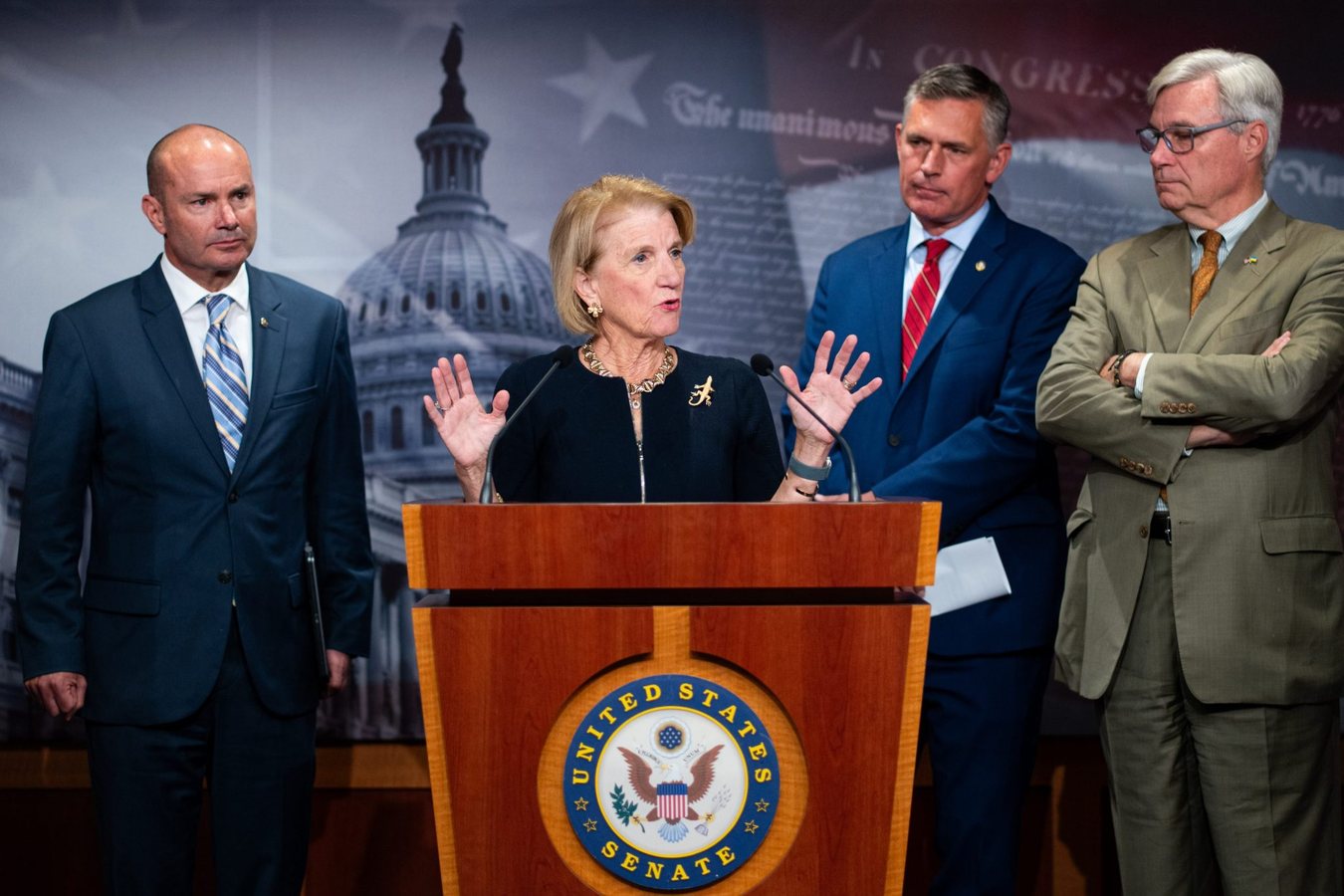
A bipartisan bill to speed up permits for energy projects has created an unusual alliance between the fossil fuel industry and renewable energy companies, while splitting the environmental movement. The Bipartisan American Affordability and Jobs Act (BAAJA) is designed to accelerate construction of everything from solar farms and power lines to oil and gas pipelines, as rising electricity demand from data centres strains the grid and pushes up utility bills.
The legislation is co-authored by four senators who call themselves the «Four Corners»: Mike Lee, a Utah Republican; Sheldon Whitehouse, a Rhode Island Democrat; Martin Heinrich, a New Mexico Democrat; and Shelley Moore Capito, a West Virginia Republican. The bill has the rare support of both Whitehouse, a longtime climate advocate, and the Trump White House. It would shorten permitting timelines, make it harder for presidential administrations to revoke permits, narrow environmental reviews, and limit litigation to federal courts.
Power demand is rising at a nearly unprecedented scale, driven largely by the construction of data centres to support artificial intelligence. Electricity and utility prices are spiking for a range of reasons, including that demand growth and ageing infrastructure. Supporters argue the bill would bring new electricity sources online faster and put downward pressure on prices.
Ben Norris, senior vice president of regulatory affairs at the Solar Energy Industries Association, said the legislation takes a balanced and unprecedented approach by bundling numerous streamlining proposals into a single bill. «The amount of new clean energy, new transmission capacity that's going to be unlocked under this bipartisan-negotiated language is well worth the tradeoffs that are made in other places,» he said. «This is one of the best products, if not the best product, that we're going to see, and we want to be part of the coalition that gets it across the finish line.»
One of the biggest beneficiaries would be large electric transmission systems, which are notoriously difficult to build across private land. Such projects provide the greatest benefits to renewables. Building transmission networks from windy rural areas such as Kansas to population centres in other states would expand the reach of wind energy. Texas, which now leads the country in utility-scale wind and solar power, only saw renewables take off after the state legislature authorised transmission lines from the windy western part of the state to cities such as Houston and Dallas.
Many environmental groups remain torn but lean towards opposing the bill. Abigail Dillen, president of Earthjustice Action, said the tradeoffs are too large. While the bill represents a «genuine policy breakthrough on transmission and modernization of our electric grid,» she argued it also «eviscerates bedrock protections for water, wetlands, endangered species, and the most basic expectations for transparency and responsible environmental analysis.» She added: «A deal that fast-tracks more gas, closes courthouse doors, and dismantles our laws to further embolden a lawless administration is not a compromise we can afford now.»
The Sierra Club noted that many Democrats are only supporting the bill because President Donald Trump has held clean energy hostage by revoking permits for offshore wind and stalling onshore wind and solar projects. Trump and Congress also cancelled federal tax credits for most renewable energy projects. The Sierra Club argued the legislation weakens environmental protections under the National Environmental Policy Act, the Endangered Species Act, and the Clean Water Act, including the ability of states to use their own courts to protect waterways.
The fossil fuel industry, meanwhile, contends the legislation is necessary to meet growing energy demand and to prevent further price spikes. For Republicans, there is little downside, except among those who oppose green power or fear increased federal authority over local permitting matters. For Democrats, the bill is a win for clean energy projects currently held up by the administration, but they remain nervous that it is too friendly to oil and gas.
Votes are unlikely to begin until after the midterm elections on 3 November. Democrats must decide whether to accept the deal or wait until next year, when they might have a congressional majority to craft a version more to their liking. But waiting would still require 60 Senate votes, and a too-liberal version could be vetoed by Trump. Despite the momentum, supporters acknowledge that plenty could still go wrong.
5