
Technology 3 min read By Alice Ashford
Bill Gates calls for tax on robots and AI to slow shift from human labour
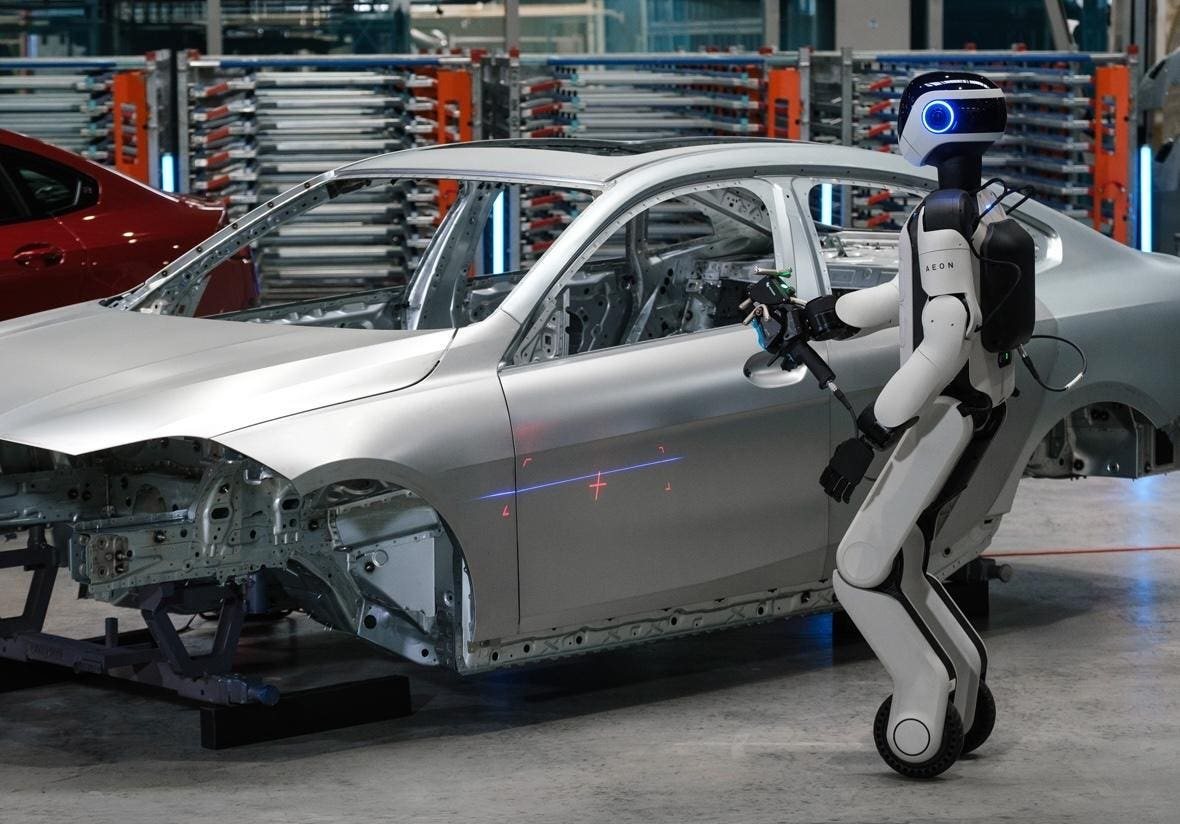
Microsoft co-founder Bill Gates has proposed taxing robots and AI tokens, arguing current tax frameworks encourage employers to replace human workers with machines. He says revenue should fund retraining and a stronger safety net as public concern over AI-driven job losses rises.
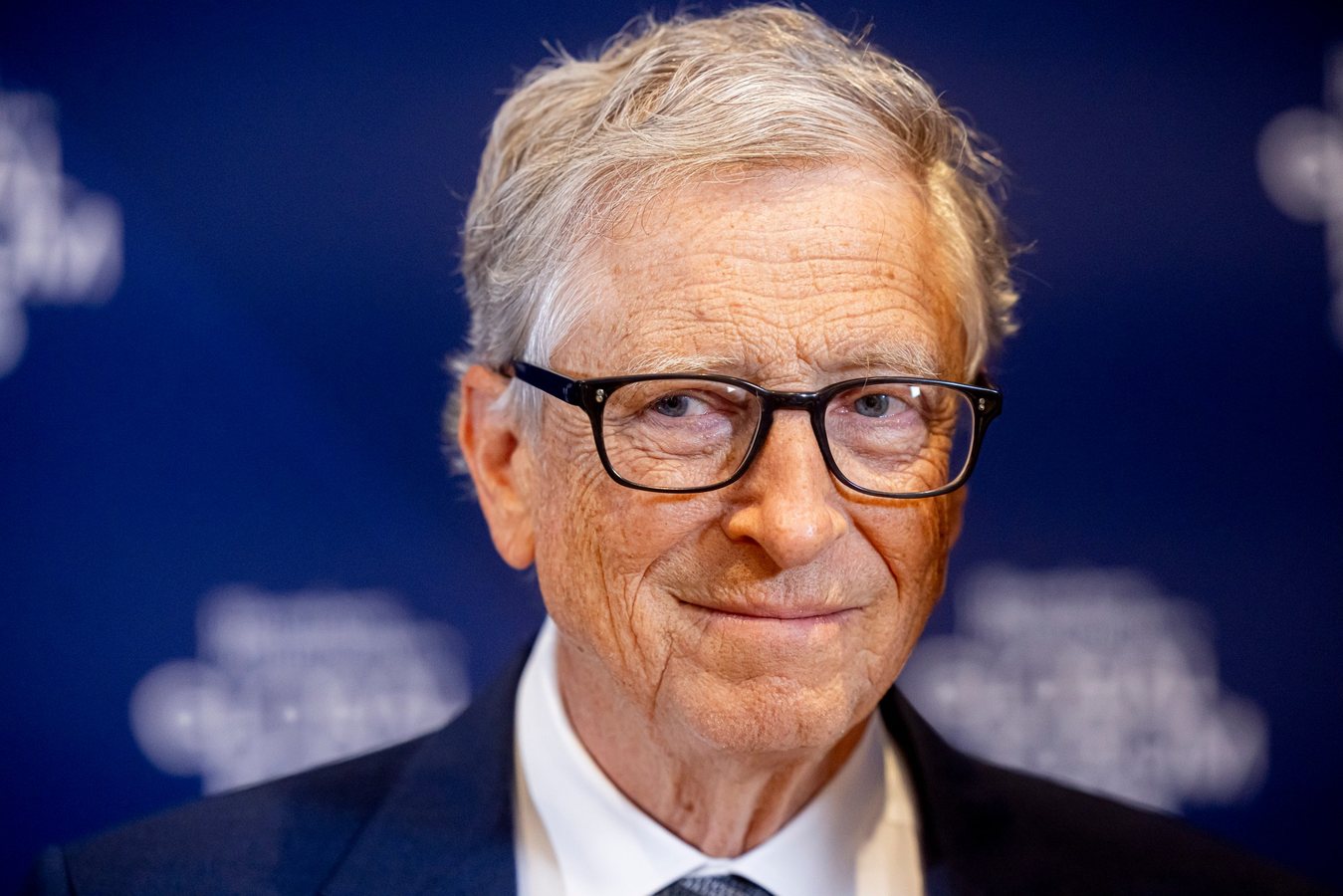
Microsoft co-founder Bill Gates has renewed his call for a tax on robots and artificial intelligence, arguing that current tax frameworks actively encourage businesses to replace human workers with machines. In a new essay posted to his blog, Gates warns that the tax system is skewed in favour of automation, and that governments will need new revenue sources as income tax receipts fall and demand for retraining and social security rises.
Gates points to a structural imbalance in how labour and capital are treated. Employers pay payroll taxes on human earnings, but the cost of buying a robot can typically be written off immediately as a business expense. This, he argues, creates a financial incentive to shift away from human capital. The solution, he suggests, is to tax AI tokens and robots, with the proceeds used to fund retraining programmes and strengthen the social safety net.
The intervention comes against a backdrop of growing public anxiety about the impact of AI on employment. A Pew Research study released last week found that 71% of American adults believe AI will lead to fewer jobs over the next two decades, up from 64% in 2024. Only 5% think it will create more jobs. Young people are equally concerned, with 73% expecting fewer career opportunities because of the technology over the same period.
Gates acknowledges that a robot tax would not be a complete answer to the threats posed by AI, but he frames it as part of a wider policy response. He argues that the funds will have to come from somewhere at a time when budgets are stretched, noting that US government borrowing has reached $40 trillion. He also insists the tax should be targeted so it does not slow down purely beneficial uses of AI, such as making medicine and education cheaper.
The proposal is not new. Gates made the same suggestion nearly a decade ago and faced robust criticism at the time. In 2017, former Treasury Secretary Larry Summers said Gates was «seriously astray», describing the idea as «protectionism against progress». Robert Seamans, a professor at NYU Stern, also argued then that a robot tax would be bad policy, warning it would dissuade firms from investing in robots, lower economic growth, and, where robots complement labour, lead to less hiring and lower wage growth.
Gates is aware of these objections but rejects them. He insists critics are «not considering the broader value of work for individuals and society», adding that accelerated innovation will allow society to «afford a little inefficiency as the price for keeping people employed». He stresses that however money is raised for assistance, it needs to reach the people who need it most, including workers who lose their jobs to AI and robots, those whose hours or wages decline, and communities where the losses are concentrated.
66