Technology 5 min read By Bethany Hadley
Venezuela Grants Starlink Nationwide Operating Licence
Venezuela has authorised Elon Musk's satellite internet service Starlink to operate across the country, opening a new front in the battle over connectivity in a market long dominated by state-run providers.
Venezuela has authorised Starlink, the satellite internet service owned by Elon Musk's SpaceX, to operate nationwide, according to a company announcement. The decision opens one of Latin America's most tightly controlled telecommunications markets to a foreign operator that has expanded rapidly across the region.
The licence allows Starlink to offer broadband connectivity throughout Venezuelan territory, a significant step in a country where internet access has historically been shaped by state-run infrastructure and periodic disruptions. The move follows Starlink's launches in several neighbouring markets, including Colombia and Brazil, where the service has been used both by consumers in remote areas and by emergency responders.
Venezuela's telecommunications sector has been characterised by limited competition and heavy state involvement. The national provider, CANTV, has long held a dominant position, and independent operators have faced regulatory and financial hurdles. Starlink's entry could alter that landscape by offering an alternative that bypasses terrestrial networks entirely, relying instead on a constellation of low-Earth-orbit satellites.
For users in Venezuela, particularly those outside major urban centres, satellite internet could provide a more reliable connection than existing services. Rural and border regions have often suffered from poor coverage and infrastructure decay. Starlink's technology is designed to serve precisely those areas, requiring only a clear view of the sky and a terminal.
The authorisation also carries political weight. Musk has clashed publicly with several governments in the region, and his satellite network has been both praised as a tool for circumventing censorship and criticised as a vehicle for foreign influence. In Venezuela, where the government has previously restricted access to certain platforms, the arrival of an independent satellite provider may test the state's ability to control the flow of information.
Starlink has not disclosed a launch date or pricing for Venezuelan customers. The company typically rolls out service in phases, beginning with a limited beta before expanding coverage. Regulatory approval is only the first step; ground infrastructure, spectrum coordination and distribution networks must still be put in place.
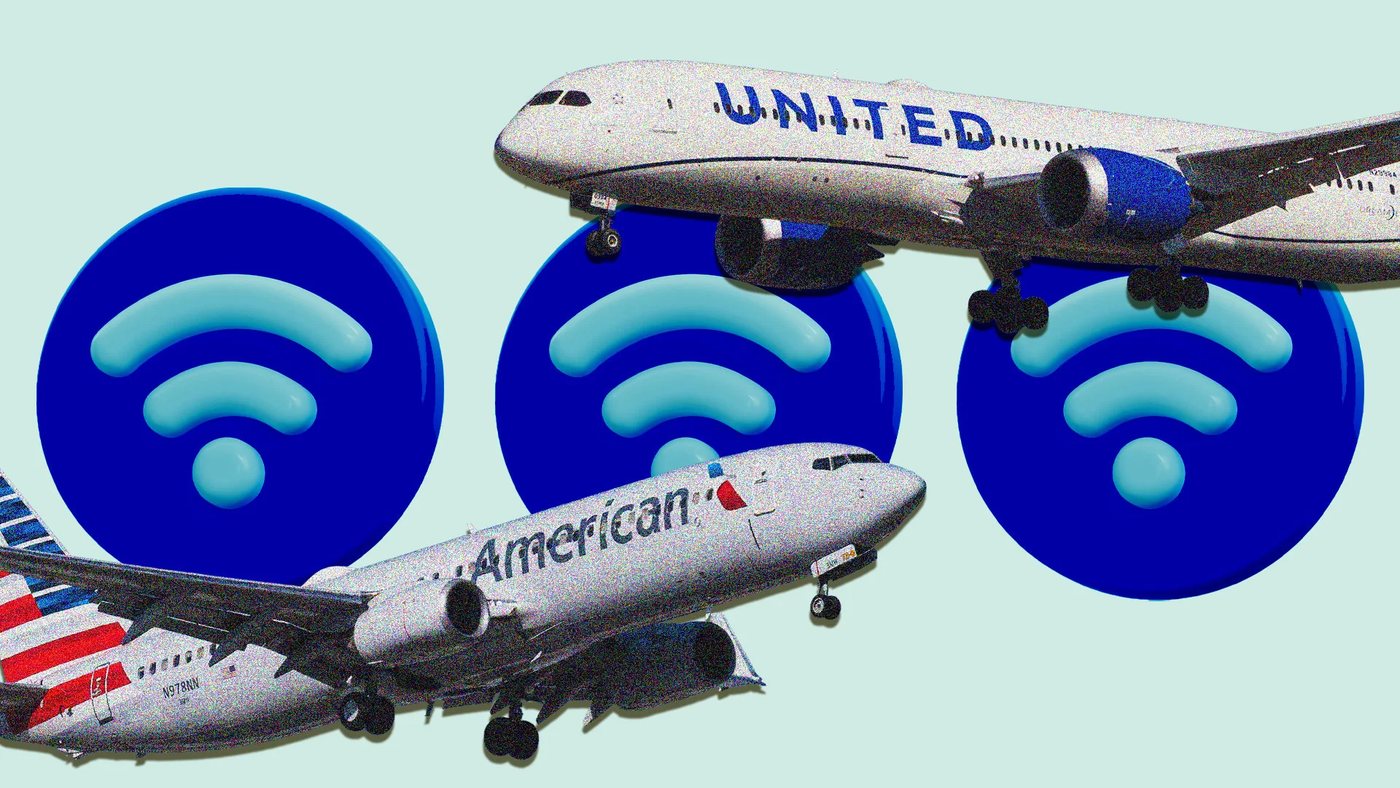
The licence comes as Starlink faces growing competition in the satellite internet market. Amazon's Project Kuiper is preparing to launch commercial service, and several other constellations are in development. In aviation, Delta Air Lines has opted for Amazon's forthcoming product over Starlink, while United and American Airlines have moved to adopt Starlink Wi-Fi, according to industry reports. That rivalry underscores the broader contest over who will supply connectivity in hard-to-reach places.
For Venezuela, the decision may signal a pragmatic approach to improving digital infrastructure amid economic constraints. The government has not commented publicly on the terms of the licence or whether Starlink will be subject to local content or data rules. The company has not said how many users it expects to serve in the country.
Starlink's expansion into Venezuela is part of a wider push across Latin America. The service is already active in several countries in the region, where it has been used by businesses, remote communities and humanitarian organisations. Its ability to operate independently of local fibre and mobile networks makes it attractive in areas where traditional operators have struggled to invest.
Whether Starlink can thrive in Venezuela will depend on affordability and regulatory stability. The country's economic crisis has left many households with limited disposable income, and satellite hardware remains a significant upfront cost. Still, the authorisation marks a notable shift for a market that has been largely closed to outside providers.
6