Society 4 min read By Arthur Ellington
Sea Squirt-Hunting Dog Named UK Animal of the Year
Sgiath, believed to be the UK's first sea squirt-detection dog, has been honoured for sniffing out the invasive marine pest known as 'sea vomit', which threatens native shellfish and coastal habitats.
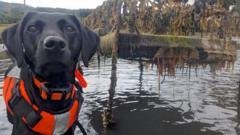
A dog trained to detect an invasive marine creature nicknamed «sea vomit» has been named animal of the year in the United Kingdom, in recognition of its role in protecting native shellfish and coastal waters.
Sgiath is thought to be the country's first sea squirt-hunting dog, according to the BBC. The animal has been trained to sniff out the marine pest, which smothers shellfish beds and competes with native species for food and space.
The honour highlights the growing use of detection dogs beyond traditional roles such as finding drugs, explosives or missing people. Conservation teams are increasingly deploying dogs to locate invasive species that are difficult for humans to spot, particularly in marine environments where visibility is limited and manual surveys are slow and costly.
Sea squirts, also known as tunicates, are filter-feeding marine animals that attach themselves to rocks, ropes, boat hulls and shellfish. Some species are native to UK waters, but several non-native varieties have arrived on ships or in ballast water and have spread rapidly. They form dense, gelatinous mats that can smother mussels, oysters and scallops, and have earned the nickname «sea vomit» because of their appearance.
The invasive sea squirt poses a particular threat to the aquaculture industry, which relies on clean shellfish beds. Once established, colonies can be extremely difficult to remove, and eradication programmes are expensive. Early detection is therefore seen as critical to preventing the pest from gaining a foothold in new areas.
Sgiath's ability to detect the scent of sea squirts means conservationists and shellfish farmers can respond faster to new outbreaks. The dog's training is part of a wider effort to use scent-detection animals in biosecurity work, following similar schemes in New Zealand and the United States where dogs have been used to find invasive mussels and other marine organisms.
The animal of the year award, which is given by a UK animal charity, celebrates animals that have made an outstanding contribution to society or the environment. Previous winners have included rescue dogs, guide dogs and animals involved in scientific research.
For coastal communities, the spread of invasive sea squirts is not just an environmental concern but an economic one. Shellfish farming supports thousands of jobs around the UK coast, and infestations can lead to lost harvests and costly clean-up operations. The presence of a trained detection dog offers a low-cost, highly mobile way to monitor shorelines, harbours and aquaculture sites.
Sgiath's award is likely to raise awareness of the wider problem of invasive species, which are one of the biggest drivers of biodiversity loss worldwide. Marine invasions are often invisible until they are well established, making early detection tools such as scent dogs especially valuable.
The recognition also draws attention to the role that working animals can play in environmental protection. While much conservation technology focuses on cameras, drones and DNA sampling, dogs offer a portable and highly sensitive alternative that can operate in difficult terrain and in poor weather.
Conservationists say the next step is to expand training programmes so that more dogs can be deployed around the UK coast. If successful, the approach could help protect shellfish stocks, reduce the use of chemical treatments and support the long-term health of marine ecosystems.
7