Society 5 min read By Alice Ashford
Paid Service Schemes Offer Route Into Work for Graduates Facing Weakest Job Market in Decades
Recent graduates are now more likely to be unemployed than the general workforce for the first time since 1990, prompting calls for paid national service to be treated as a serious workforce strategy rather than charity.
Recent university leavers in the United States are now more likely to be out of work than the general workforce, the first time that has happened since the Federal Reserve Bank of New York began tracking the data in 1990. Unemployment among recent graduates held at about 5.6 per cent this year, up from under 4 per cent before the pandemic. The figures have landed in the middle of a fierce debate over whether artificial intelligence will destroy or create millions of jobs over the next decade, and have intensified concern about how young people can secure a first foothold in the labour market.
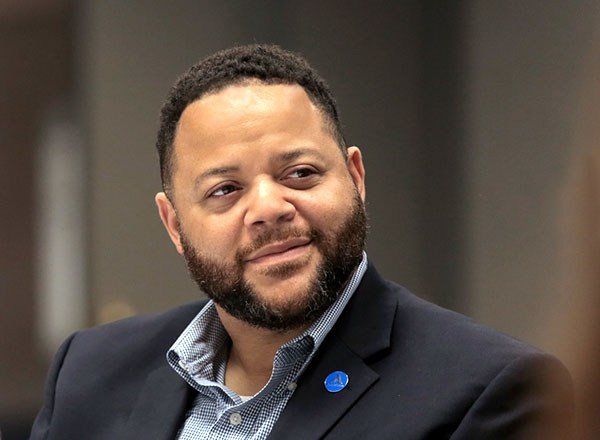
Michael D. Smith, who led AmeriCorps, the US national service programme, from 2021 and now heads the youth charity Eckerd Connects, argues that part of the answer lies in paid, structured service. He says employers repeatedly tell him they cannot find workers with the basic interpersonal skills that hold an organisation together, and that service is too often dismissed as charity rather than recognised as a workforce strategy. In his experience, participants who enter programmes unsure of themselves develop critical workplace skills and finish ready to lead. Ninety-four per cent of AmeriCorps alumni say they can solve most problems they encounter, and most report confidence in presenting to a room and in working across political and cultural differences.
Governors are beginning to take the model seriously. Wes Moore, the governor of Maryland, has made service his signature project as the new chair of the National Governors Association, launching an initiative called Service United with 10 million dollars from the Andrew Carnegie Foundation and the Schultz Family Foundation to help states build or scale such programmes. Maryland Corps, along with similar efforts in California, Colorado and Utah, offers a framework that the dozens of new governors taking office next year should examine, Smith suggests.
Persuading young people to sign up requires careful framing. Ask a young person today whether they want to serve and they are unlikely to leap at the idea, Smith writes. Ask whether they want to solve a problem and walk away with a pathway to what comes next, and they pay attention. He identifies three conditions for success: stipends that members can actually live on, work on something urgent rather than a vague notion of goodwill, and a durable credential or a clear line from a year in the programme to a real job.
The need for paid opportunities is acute. When Smith took over AmeriCorps in 2021, too many national service places were out of reach for the very people they were meant to help. Members of AmeriCorps VISTA on the minimum living allowance earned 6.44 dollars an hour that year, less than the federal minimum wage, and many relied on food assistance and food banks to stay afloat. Smith describes that as a policy failure that fell hardest on young people who needed service to be an on-ramp to opportunity rather than an act of personal sacrifice. During his tenure, the minimum living allowance was raised nationwide to the equivalent of 13 dollars an hour, with many local partners adding support to bring members closer to a life-sustaining wage.
Service does not have to mean a full year with AmeriCorps. Cat Ward, chief executive of the Taproot Foundation, has argued that if there is no first rung on the career ladder, the middle will go unfilled, and advocates placing young people in skilled volunteering roles that build the skills they will need next. The private sector is also experimenting. Claude Corps, an initiative from the AI company Anthropic, will place a thousand early-career fellows inside non-profit organisations for a year to build tools such as an intake screener for a legal aid clinic or an inspection-report system for a housing charity. It pays 85,000 dollars, enough to live on with dignity, puts fellows to work on something urgent and awards a credential worth having.
Smith concedes that nobody yet knows exactly how AI will reshape the first rung of the career ladder. But he argues that action does not depend on resolving that question. Paid, purposeful service works, he says, and decades of evidence and existing infrastructure are already in place. What is missing is capital to match the ambition, which employers, policymakers and philanthropists could supply without waiting for any AI company to settle its own future first.
5