
Society 4 min read By Bethany Hadley
Free-Range Parenting Returns to the Spotlight as Families Rethink Childhood Independence
A renewed debate over free-range parenting is drawing attention to how much independence children should be given, balancing safety concerns against developmental benefits.
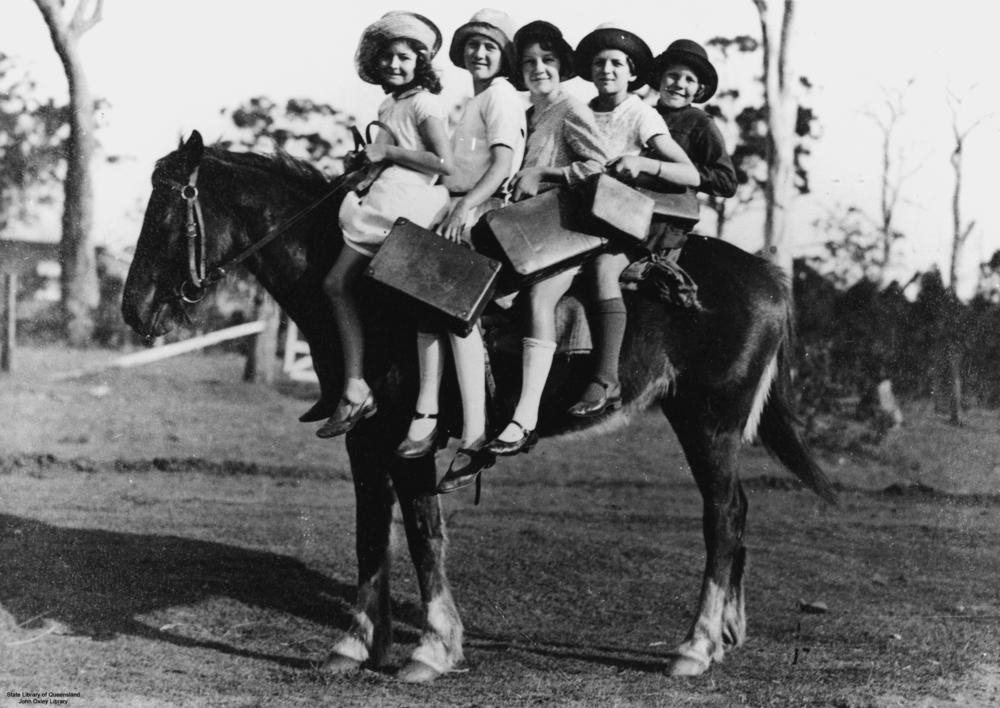
The free-range parenting movement is once again drawing public attention as families, educators and policymakers reconsider how much independence children should be allowed in an increasingly risk-averse society. The approach, which encourages children to play, travel and solve problems with limited adult supervision, has moved from a fringe idea to a mainstream talking point in Britain and beyond.
At its core, free-range parenting holds that children develop resilience, confidence and practical judgement when they are given age-appropriate freedom — whether that means walking to school alone, playing outside without constant oversight, or navigating public spaces with friends. Advocates argue that such experiences build problem-solving skills and emotional maturity that structured, supervised activities cannot fully replicate.
The renewed interest comes amid growing concern about childhood inactivity, screen time and declining mental wellbeing among young people. Parents who once felt pressured to supervise every moment are increasingly questioning whether constant monitoring is doing more harm than good. The debate has been amplified by social media, where parents share stories of letting children take small risks and face both praise and criticism.
Critics, however, warn that free-range parenting can conflict with legal and safeguarding expectations. In the UK, there is no fixed legal age at which a child can be left alone, but parents can face scrutiny if authorities judge that a child is at risk of harm. This ambiguity leaves many families unsure about what is acceptable, particularly when neighbours or passers-by report unsupervised children to the police or social services.
The tension between encouraging independence and managing public perceptions is central to the movement's revival. Supporters say that a culture of fear — fuelled by round-the-clock news and social media — has made parents overly cautious and deprived children of ordinary freedoms that previous generations took for granted. They point to research suggesting that risky play helps children learn to assess danger and cope with setbacks.
Schools and community groups have begun to respond. Some have introduced programmes that allow pupils to travel independently or take part in outdoor activities with reduced supervision. Others remain cautious, mindful of insurance, liability and parental expectations. The result is a patchwork of approaches across the country, reflecting wider disagreements about risk, responsibility and the role of the state in family life.
For many parents, the question is less ideological than practical. They want their children to be capable and self-reliant but worry about traffic, crime and the judgement of others. Free-range parenting offers a framework for navigating those concerns, but it also demands trust — in children, in communities and in the idea that some risk is a necessary part of growing up.
As the conversation continues, it is likely to shape how families, schools and local authorities think about childhood in the years ahead. The movement's return to the spotlight reflects a broader reassessment of what children need to thrive, and how much freedom a modern society is willing to allow them.
4