Technology 5 min read By Bethany Hadley
Cyberattacks on Supermarkets Could Be Work of Foreign Services, Expert Warns
A leading cybersecurity expert says attacks on French and Dutch supermarket chains may have been state-sponsored and warns of more strikes on food infrastructure.
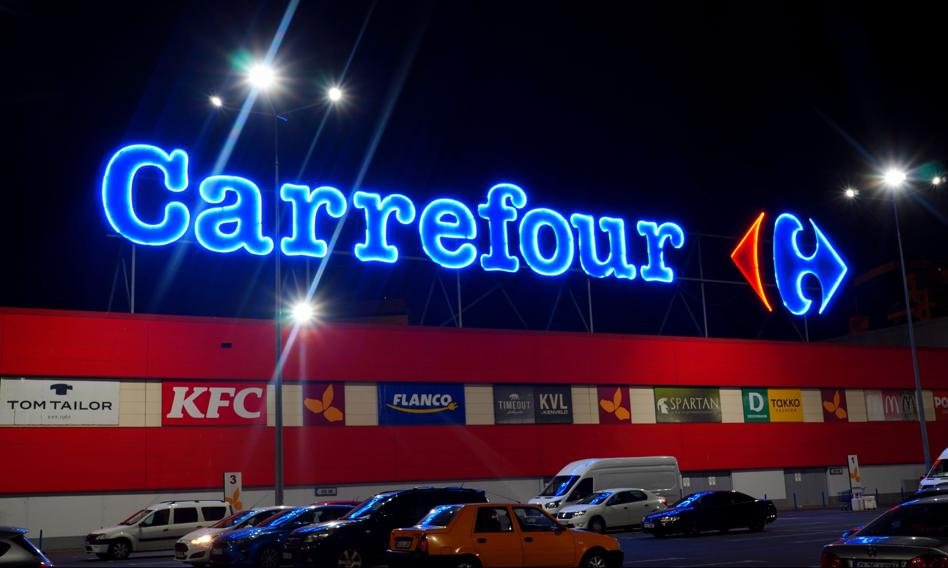
Cyberattacks targeting supermarket chains in France and the Netherlands may have been carried out by foreign intelligence services, according to Professor Piotr Małka, an expert in the cybersecurity of industrial systems. He warned that such strikes on critical infrastructure linked to food production, distribution and retail are likely to increase.
The attacks, which affected refrigeration systems and store networks, have raised concerns about the vulnerability of the food supply chain to state-backed sabotage. Małka said the incidents fit a pattern of hostile activity aimed at disrupting everyday commerce and public confidence.
«These attacks on supermarket networks in France and the Netherlands could have been the work of foreign services,» Małka told PAP. «We will now see more such strikes on critical infrastructure connected to food production, distribution and sales.»
The professor, who specialises in the security of industrial control systems, did not name any specific state or group. But his assessment suggests the incidents are not ordinary criminal hacking but part of a broader campaign against civilian infrastructure in Europe.
Supermarkets and their cold-chain logistics depend on networked industrial systems to keep food safe and shelves stocked. A successful cyber intrusion can disable refrigeration, halt deliveries or corrupt inventory data, leading to spoilage, shortages and financial losses. In France and the Netherlands, the attacks reportedly disrupted operations at multiple stores, though the full extent of the damage has not been disclosed.
The warning comes as European governments step up scrutiny of cyber threats to critical sectors including energy, transport, healthcare and food. Food retail has traditionally received less attention than power grids or airports, but its role in daily life makes it an attractive target for actors seeking to sow disruption.
Małka's comments echo concerns from other security professionals who argue that industrial control systems are often less protected than corporate IT networks. Many supermarket chains rely on legacy hardware and software that can be difficult to patch, and the convergence of information technology with operational technology has widened the attack surface.
Foreign intelligence services have been linked to cyber operations against European businesses and public institutions in recent years. The motives can range from espionage and data theft to pre-positioning for sabotage in a crisis. Attacks on food distribution could be designed to test defences, signal capability or create public anxiety.
The professor's warning implies that companies and governments need to treat food infrastructure as a national security asset. That could mean tighter regulation, mandatory incident reporting and greater investment in monitoring and response teams.
For retailers, the immediate challenge is to detect intrusions quickly and maintain manual fallbacks for refrigeration and logistics. For policymakers, the task is to share threat intelligence across borders and ensure that smaller operators are not left behind.
The attacks in France and the Netherlands have not been publicly attributed, and investigations are likely ongoing. But the expert view that foreign services may be involved raises the stakes for a sector that most consumers encounter daily without considering its cyber exposure.
If Małka is right, the supermarket strikes are a preview of a wider campaign against the systems that keep food moving from farm to fork. The next targets could be warehouses, processing plants or transport fleets, all of which rely on connected technology.
European capitals are already debating tougher cybersecurity rules for critical infrastructure. The food industry may soon find itself at the centre of those discussions, with obligations to report breaches, meet minimum security standards and participate in joint exercises.
For now, the professor's message is clear: the threat is real, it is likely state-linked, and it will not stop at the checkout.
8