Economy 4 min read By Callum Montgomery
Oil Prices Slip as Investors Weigh Supply Outlook and Middle East Tensions
Crude prices fell as traders balanced expectations of rising supply against persistent geopolitical risk in the Middle East, with demand concerns adding to the downward pressure.
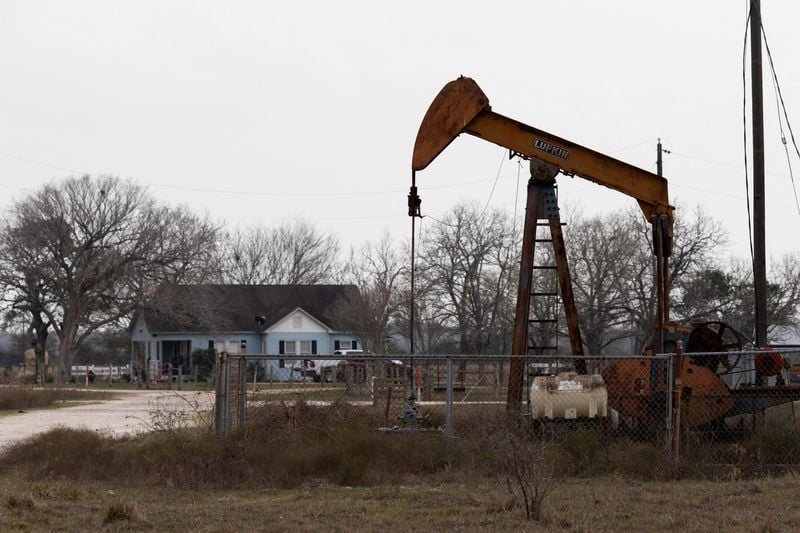
Oil prices declined as investors weighed a mixed outlook for global supply against continuing tensions in the Middle East, with demand-side worries adding to the bearish mood. The fall reflects a market caught between expectations of ample crude availability and the risk that a wider conflict could disrupt exports from one of the world's most important producing regions.
Brent crude and West Texas Intermediate, the two main international benchmarks, both moved lower during the session. Traders pointed to a combination of factors: signs that producers outside the main OPEC+ alliance are increasing output, uncertainty over the pace of Chinese demand, and the absence of an immediate supply shock despite the geopolitical backdrop. The result was a market that struggled to hold earlier gains.
The supply picture has been complicated by rising production from the United States, Brazil, Guyana and other non-OPEC+ nations. That extra volume has offset some of the cuts agreed by the OPEC+ group, which has been trying to support prices through coordinated reductions. Investors are now questioning whether those curbs will be enough to tighten the market if demand growth continues to slow.
On the demand side, concerns about the strength of the global economy have weighed on sentiment. China, the world's largest importer of crude, has been posting uneven economic data, and any softening in its industrial activity tends to ripple through energy markets. In Europe and the United States, higher interest rates have also raised the cost of borrowing, dampening expectations for a sharp acceleration in fuel consumption.
Middle East tensions remain a key wildcard. The region accounts for a substantial share of global oil exports, and any escalation that threatens shipping routes or production infrastructure could quickly reverse the recent price decline. So far, however, the market has judged that the conflict has not significantly disrupted physical supplies, which has kept a lid on risk premiums.
Analysts note that the oil market is particularly sensitive to headlines at the moment because positioning is light and traders are reluctant to build large bets in either direction. That can amplify price swings in both directions, even when the underlying fundamentals have not changed dramatically.
For the UK, the fall in crude prices offers some relief on the inflation front. Lower energy costs feed through to petrol prices, household bills and transport costs, easing pressure on consumers and businesses. But the benefit is partial: a weaker oil price can also signal slower global growth, which would weigh on British exporters and industrial demand.
Currency movements add another layer of complexity. Oil is priced in dollars, so a stronger pound against the US currency can make imported crude cheaper for UK buyers, while a weaker pound has the opposite effect. Sterling's recent performance against the dollar has therefore been a factor in how much of the global price decline reaches British forecourts.
Looking ahead, investors will focus on upcoming inventory data, production decisions from OPEC+ and any further signals from the Middle East. The balance between rising non-OPEC supply and the risk of a geopolitical shock is likely to keep oil prices volatile in the near term. For now, the market has chosen to emphasise the supply outlook over the threat of disruption, pushing prices lower.
8