Society 3 min read By Callum Montgomery
Hospital order for vampire fan Benjamin Lewis over animal parts left at churches
A man who called himself Dracula and drank animal blood has been given a hospital order after leaving lamb carcasses and other animal body parts at churches in a campaign against Christians.
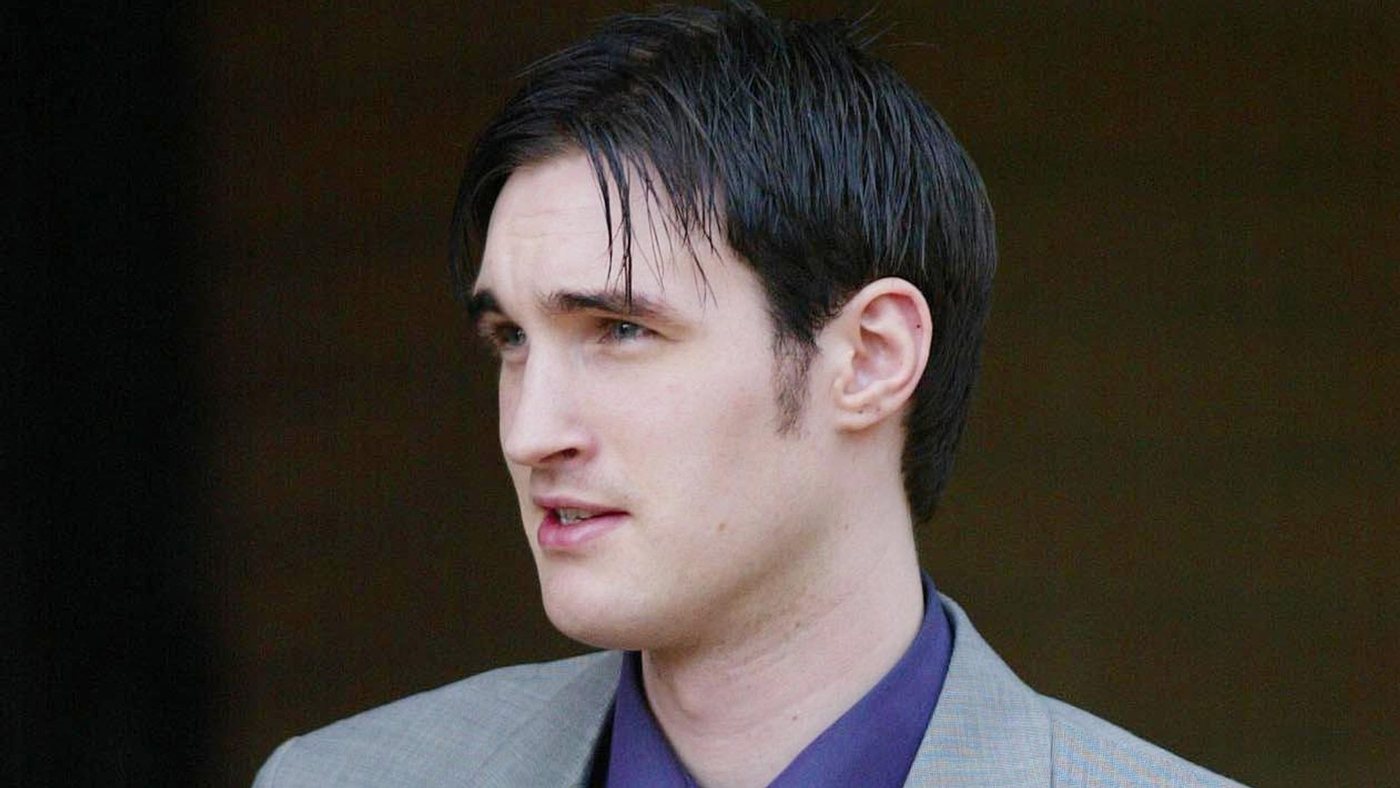
A vampire fan who drank animal blood and called himself Dracula has been given a hospital order after leaving animal body parts at churches in a campaign against Christians. The remains, including lamb carcasses, were left at church premises. Benjamin Lewis was dealt with at Southampton Crown Court.
Lewis was photographed outside Southampton Crown Court, with the image dated 2003 and issued by the PA news agency. The proceedings centred on the placement of animal remains in and around churches, acts that formed part of a campaign described as targeting Christians. Lewis presented himself as a vampire and was reported to drink animal blood.
A hospital order is a disposal that courts in England and Wales may use when a person has a mental disorder and treatment in hospital is considered the most suitable option. The order is based on medical evidence and means the offender is admitted to hospital rather than receiving a prison sentence. Its purpose is to treat the underlying condition while protecting the public from further incidents of the kind that led to the court case.
Courts can attach restrictions to a hospital order when there are concerns about the risk a patient may pose. In those cases, discharge, leave and transfer cannot be granted without approval from the relevant authorities, and the patient remains under supervision while treatment continues. The decision to impose restrictions is made with public safety in mind.
The unusual nature of the case drew attention because of Lewis's self-presentation as Dracula and because the targets were churches. Lamb carcasses were left outside places of worship, and the acts were seen as a deliberate campaign against Christians. The combination of occult imagery and religious targets set the case apart from more conventional criminal proceedings.
Hospital orders are governed by mental health legislation rather than by the ordinary sentencing framework. Before making such an order, a court must hear evidence about the person's condition and must be satisfied that hospital treatment is appropriate. The length of stay depends on the patient's response to treatment and the professional judgment of the clinical team, not on a fixed term set at sentencing.
Under the hospital order, Lewis will receive treatment under the supervision of mental health services rather than being processed through the prison system. Any future decisions about his care will be made with public safety in mind. The case also highlights the way courts balance the need for medical treatment with the seriousness of conduct that causes concern in local communities and religious congregations.