Technology 6 min read By Callum Montgomery
Trump's AI regulator stance exposes a deeper governance problem
The US president's call for a strong leader as the only AI guardrail highlights why a federal agency would struggle to earn international trust, and why industry-led standards with independent auditing may offer a more credible path.
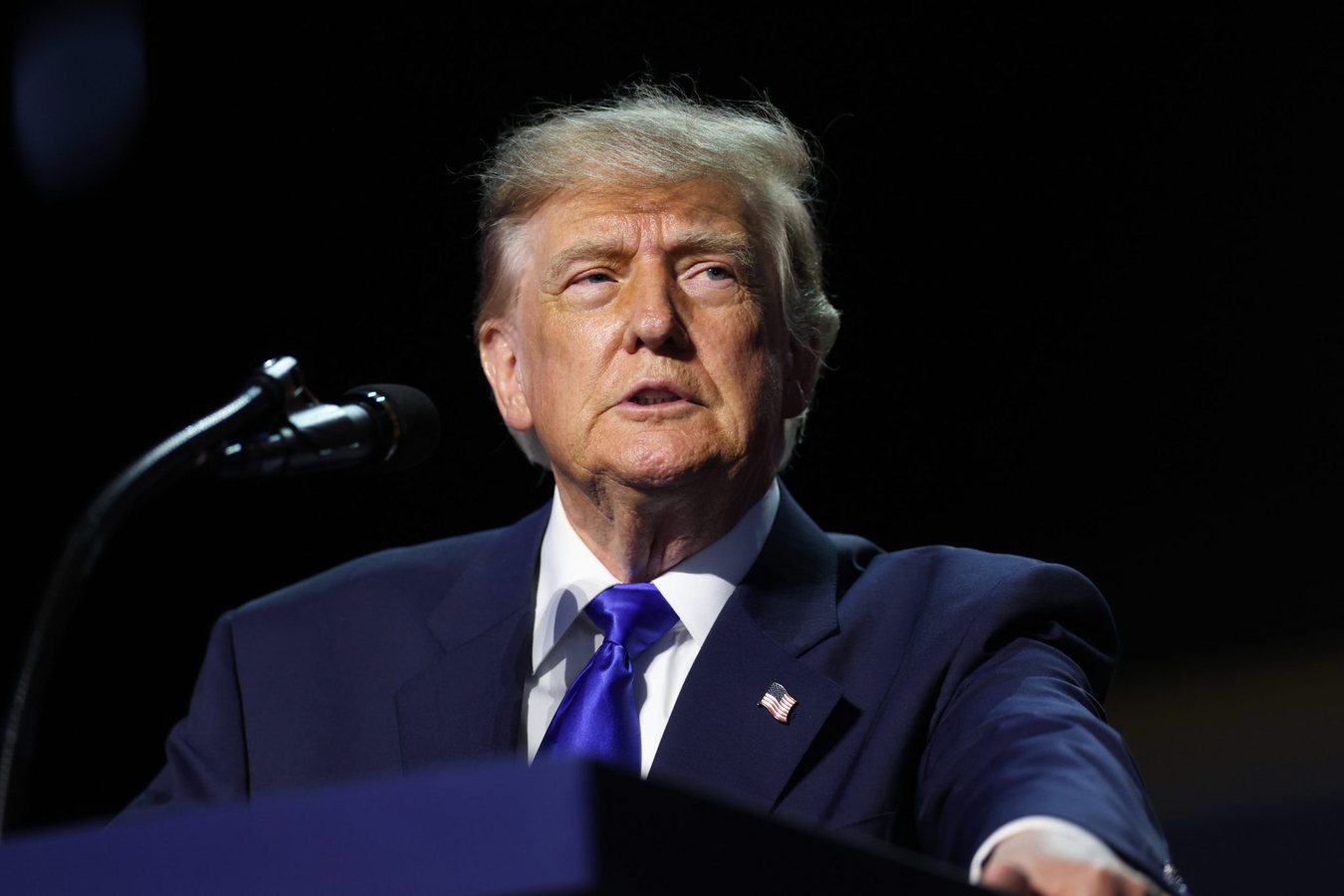
President Trump's assertion that artificial intelligence needs no guardrail beyond a «STRONG AND SMART (High IQ!) PRESIDENT» has been widely read as an obstacle to regulation. It is more usefully understood as a warning about the limits of any federal agency created to oversee the technology.
Since the Supreme Court's decision in Trump v. Slaughter in June, every federal agency except the Federal Reserve answers to the White House. An AI regulator would be no exception. Proposals from Bernie Sanders, John Thune and the Treasury each end with a federal official who works for the president and can be fired at will. The labs know this. Dario Amodei, Sam Altman and Elon Musk have each said they want rules while fearing the regulator.
The alternative already exists inside the companies. Before releasing AlphaFold, DeepMind consulted more than thirty outside experts in biology, biosecurity, bioethics and human rights, and their advice shaped the release. Every major lab now publishes a safety framework naming the capabilities that would stop a launch. Since January, California has required the largest of them to publish that framework and report serious incidents within 15 days. Every model ships with a system card listing what it cannot do and where it fails.
Outsiders now test before release. Britain's AI Security Institute received OpenAI's GPT-5.5 ahead of launch, found a universal jailbreak and published the result. METR, an independent evaluator, was given a month this spring with unreleased models at four labs at once. In April, Anthropic concluded that its most capable model was too dangerous for general release, confined it to a small group of defensive cybersecurity partners, and widened access only in July after the federal government signed off.
Microsoft built a full internal government. A committee of senior executives writes its Responsible AI Standard. An Office of Responsible AI enforces it through champions embedded in every engineering team. Its Sensitive Uses review has handled more than 1,900 cases since 2019, 450 of them in the past year, reasons from precedent, escalates to the chief executive, and once refused to put real-time facial recognition on police body cameras. A board committee oversees all of it.
The European Union's AI Act did not invent a regime. It copied the one the firms had built, with its rulemaking, executive review and monitoring almost intact. In AI, regulation follows from governance, not the other way around.
What the companies cannot build is the one thing that makes any of this credible to an outsider: nobody independent checks that the process happened. OpenAI's nonprofit board was designed as the check on its chief executive, and it dissolved on contact with him. Charters and mission statements do not implement themselves. What binds is a procedure that someone outside inspects.
California registered the inspectors last week. But what are they inspecting against? The missing piece is a written standard that sets requirements frontier labs must satisfy, plus a corps of auditors who verify that each lab did what the standard says.
Accounting solved this exact problem fifty years ago. Accounting standards were not written by a government. In 1973, the profession's own bodies set up the International Accounting Standards Committee in London, and for a quarter century it was a club. Then the SEC refused to recognize its rules unless the club changed. In 2001, the standard-setting board was severed from the industry that paid for it. Its members became full-time, gave up their firm affiliations and drew salaries from a foundation they did not control. In 2009, a monitoring board of securities regulators, the SEC and the European Commission among them, took a veto over who sits on the board and nothing else. Today more than 140 jurisdictions require those standards. The United States never adopted them and never had to. Its own board, FASB, is the same design under a different flag, and American law recognizes it precisely because it is private.
Whatever a federal AI agency certifies will not be believed in Brussels, Tokyo, Delhi or Riyadh, because everyone now knows who controls it. A board with no national owner can be adopted by other governments without embarrassment. That is the prize for American firms. A rule that a foreign regulator trusts is the passport an American model needs to be sold there. It exports American practice without a treaty, without an agency, and without a single federal dollar spent. The president keeps a seat on the monitoring board and keeps the power to say no.
The labs have been meeting since July. The White House AI Adviser, David Sacks, has warned them to «stop pretending antitrust law has to be suspended so you can form a cartel.» The labs have coordinated on practice for years, through the Frontier Model Forum and shared red-teaming norms, and the result was safer models, not higher prices. What separates a cartel from a standard-setter is not the intentions of the people in the room, but the standard-setting process.