Economy 5 min read By Callum Montgomery
Bank of Japan Set to Raise Interest Rates to 31-Year High
The Bank of Japan is expected to lift its benchmark rate to the highest level in 31 years, extending a gradual exit from decades of ultra-loose monetary policy as inflation and wage growth hold firm.
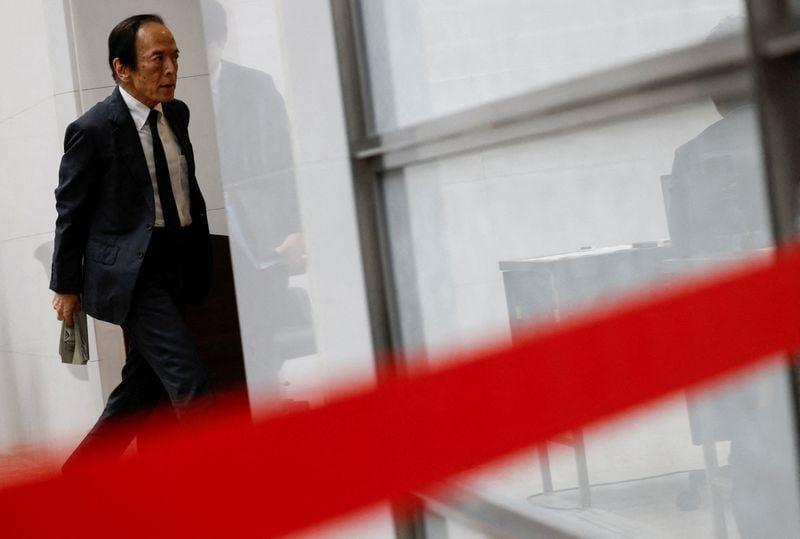
The Bank of Japan is poised to raise its benchmark interest rate to a 31-year high, extending a slow but deliberate retreat from the ultra-loose monetary policy that has defined the country's economic strategy for a generation. The move would mark the latest step in the central bank's effort to normalise policy as inflation and wage growth show signs of settling above its long-elusive two per cent target.
The decision, expected at the conclusion of the bank's two-day policy meeting, would take Japan's short-term policy rate to a level last seen in the early 1990s. It follows a series of incremental increases that have already made the Bank of Japan one of the few major central banks still tightening while peers in the United States, Europe and the United Kingdom shift toward easing.
Japan's long-standing commitment to near-zero borrowing costs was designed to pull the economy out of deflation and stagnation. That era appears to be closing. Consumer prices have remained at or above the central bank's target for well over two years, and this year's annual wage negotiations delivered some of the strongest pay increases in decades, giving policymakers confidence that domestic demand can withstand higher rates.
The yen has been a central concern. A prolonged period of rate divergence between Japan and other major economies pushed the currency to multi-decade lows, inflating import costs and squeezing households. A further rate rise could narrow that gap and provide some relief on the currency front, though the bank has repeatedly stressed that it does not target specific exchange-rate levels.
Markets have largely priced in the move, but attention will focus on the bank's accompanying guidance. Investors want to know how quickly further increases might come and whether the bank sees risks to an economy that has only recently returned to sustained growth. Any signal that the tightening cycle could accelerate would ripple through global bond and currency markets, given Japan's role as the world's largest creditor nation.
Government officials have offered cautious support. Higher rates raise the cost of servicing Japan's enormous public debt, but policymakers have argued that a return to normal interest rates is a sign of economic health rather than a threat. The bank's governor has said decisions will be guided by data, with particular emphasis on whether wage gains feed through to consumer spending.
For businesses, the shift means a gradual increase in borrowing costs after years of effectively free money. Large exporters have benefited from the weak yen, but domestic firms and households face a more mixed picture. Small and medium-sized enterprises, which employ the bulk of Japan's workforce, are especially sensitive to higher financing costs.
The Bank of Japan's move stands apart from the broader global picture. The US Federal Reserve and the European Central Bank have begun cutting rates as inflation cools, while the Bank of England has also signalled a loosening bias. Japan's tightening therefore complicates the outlook for global capital flows, potentially drawing money back into yen-denominated assets and unsettling carry trades that have thrived on cheap Japanese funding.
Economists remain divided on how far the bank will go. Some expect only a slow series of increases, arguing that Japan's economy remains fragile and that premature tightening could snuff out the recovery. Others warn that waiting too long risks allowing inflation to become entrenched and forcing sharper action later.
What is clear is that the era of Japan as the world's reliable source of ultra-cheap money is drawing to a close. The decision will be watched closely not only in Tokyo but in financial capitals from London to New York, where the consequences of higher Japanese rates will be felt across bond markets, currencies and investment strategies for months to come.