Society 4 min read By Alice Ashford
French cost-of-living protests leave 1,200 arrested and 150 officers injured
Shops were looted and vandalised across several French cities during protests against the high cost of living, with authorities reporting 1,200 people detained and 150 police officers and gendarmes injured.
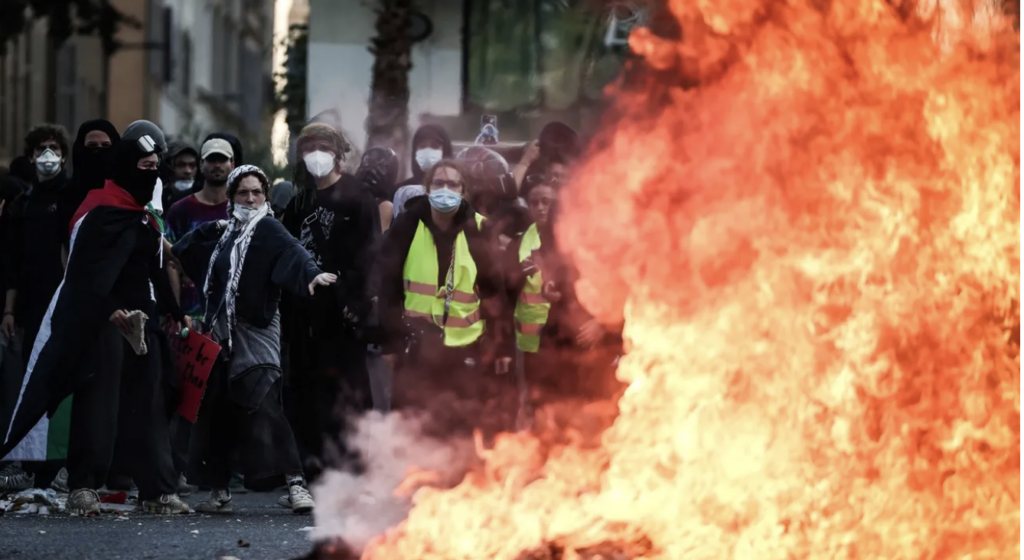
More than 1,200 people were detained and 150 police officers and gendarmes were injured as protests over the high cost of living turned violent in several French cities, with shops looted and vandalised during the unrest.
The disturbances spread across urban centres, where retail premises were attacked and goods taken. The scale of the detentions and injuries underlines how quickly demonstrations over household finances escalated into public order incidents that stretched the security services.
The protests reflect mounting frustration over the cost of everyday life in France, a pressure point that has repeatedly drawn large numbers onto the streets and placed the government on the defensive over wages, prices and purchasing power. Retailers have found themselves on the front line, with storefronts damaged and stock lost as crowds moved through city centres.
Trade unions and the «gilets jaunes», or yellow vests, joined student-led demonstrations, broadening the base of the movement beyond its original participants. The yellow vests emerged as a force during earlier fuel-price protests and have remained a symbol of anger over the cost of living and perceived indifference from Paris.
Violence was reported in Paris and in other major French cities. A police station was attacked with smoke flares, and rubbish bins were set alight, according to reports of the unrest. Such scenes add to the pressure on local authorities and emergency services, who must contain crowds while protecting property and public safety.
The combination of student grievances and cost-of-living anger gives the movement a wider social reach than a single-issue campaign. Students have their own concerns about living costs and prospects, while the yellow vests bring a tradition of decentralised, often disruptive protest. When these groups converge, the resulting demonstrations are harder for the authorities to manage and more likely to produce flashpoints.
For businesses, the damage is immediate and tangible. Looted and devastated shops mean lost revenue, repair bills and, in some cases, a lasting hit to confidence in city-centre retail. Small traders in particular have little capacity to absorb such losses, and repeated episodes of unrest can deter customers long after the crowds have dispersed.
The political stakes are equally significant. A government facing sustained anger over living costs must balance the right to protest against the duty to maintain order. High numbers of detentions and injured officers will intensify scrutiny of policing tactics, while the economic damage gives critics fresh evidence that the response to the crisis has been inadequate.
The unrest also carries a warning for other European economies grappling with similar pressures. France has a long history of mass mobilisation over wages and prices, and the willingness of unions, students and the yellow vests to act together shows how quickly cost-of-living grievances can become a broader challenge to public authority.
Attention now turns to whether the movement sustains its momentum and how the authorities respond in the coming days. For now, the figures tell their own story: more than a thousand detentions, scores of injured officers and shops left wrecked in cities across the country.
6