Business 4 min read By Callum Montgomery
Woodside Halts Scarborough Gas Work After Greenpeace Protest
Woodside Energy has suspended construction activity at its Scarborough gas project off Western Australia after a Greenpeace protest disrupted operations, adding a fresh flashpoint to the company's dispute with environmental campaigners over the scheme.
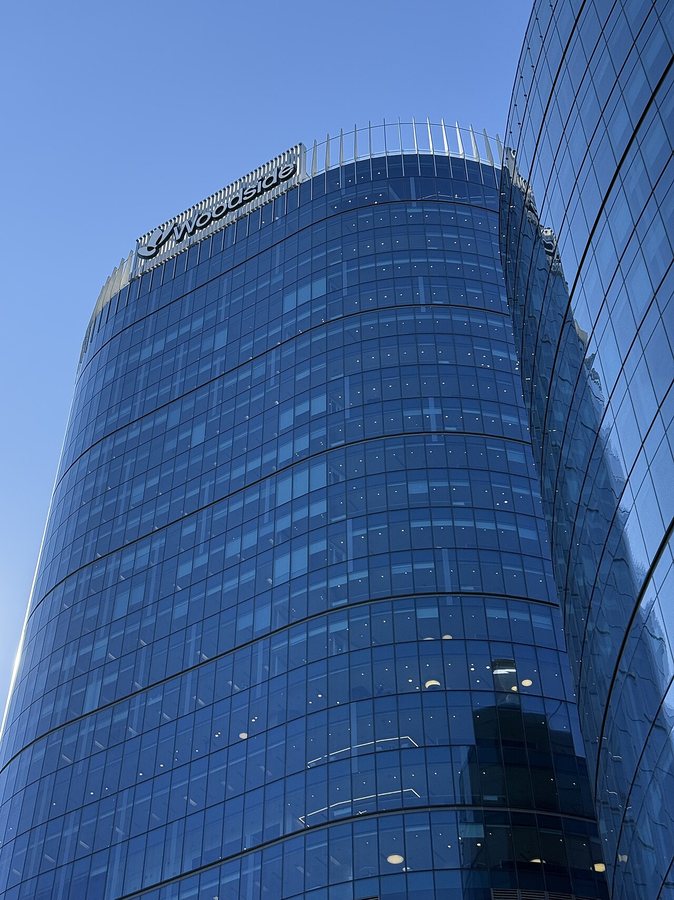
Woodside Energy has halted work at its Scarborough gas project after a protest by Greenpeace activists disrupted operations, the Australian energy group confirmed, in the latest confrontation between the company and campaigners opposed to the development off Western Australia.
The suspension affects construction activity at the site, which forms part of Woodside's wider plans to develop gas reserves in the Carnarvon Basin and feed them through its existing Pluto LNG facilities on the Burrup Peninsula. The company did not indicate how long the pause would last, but the decision to stand down work underlines how direct action can interrupt schedules on large offshore projects even when the disruption itself is temporary.
Scarborough is one of the most closely watched energy developments in Australia. Woodside has positioned the project as a long-life source of liquefied natural gas for export markets in Asia, and it sits at the centre of the company's growth strategy as global demand for LNG remains firm. The scheme involves offshore production infrastructure and a pipeline connection to the mainland, alongside expansion work at Pluto.
Greenpeace has argued that new gas developments are incompatible with international climate commitments, and the group has targeted Scarborough repeatedly as a symbol of continued fossil fuel expansion. The protest that prompted the stoppage is part of a broader campaign by environmental organisations against Australian gas projects, which have drawn scrutiny from investors, lenders and insurers as well as from regulators.
For Woodside, the operational interruption comes at a sensitive time. Major energy projects are judged on their ability to stay on budget and on schedule, and any delay carries cost implications as well as reputational ones. The company has previously faced legal challenges and activist attention over Scarborough, and the project has become a test case for how Australian resource firms manage environmental opposition while meeting contractual obligations to customers.
The halt also highlights the practical leverage that protest groups can exert over industrial sites. Offshore and remote onshore facilities are difficult to secure, and even brief disruptions can force operators to reassess safety procedures and access arrangements. Woodside has not said whether the suspension was prompted by safety concerns for personnel or by the need to clear the site, but the company's priority in such situations is typically the protection of workers and equipment.
Scarborough's gas is intended for export, tying the project to international pricing and to the investment decisions of Woodside's joint venture partners. Any extended interruption would be felt by those partners and by the contractors employed across the development, which supports a supply chain spanning engineering, marine services and construction.
The dispute reflects a wider tension in Australia between the economic case for gas exports and the political pressure to reduce emissions. Federal and state governments have backed gas as a transition fuel while facing calls to tighten approval conditions, and projects such as Scarborough sit squarely in that debate.
Woodside has not commented on when normal operations will resume. The company's immediate task is to restore work safely and to limit the effect on its timetable, while campaigners will be watching to see whether the interruption becomes a recurring feature of the project's construction phase.
5