Economy 3 min read By Alice Ashford
Lagarde says energy shock from Iran war too large for ECB to ignore
European Central Bank President Christine Lagarde has warned that the energy price shock caused by the war with Iran is too significant for monetary policy to disregard, while stressing that a measured response remains the right approach to keep inflation under control.
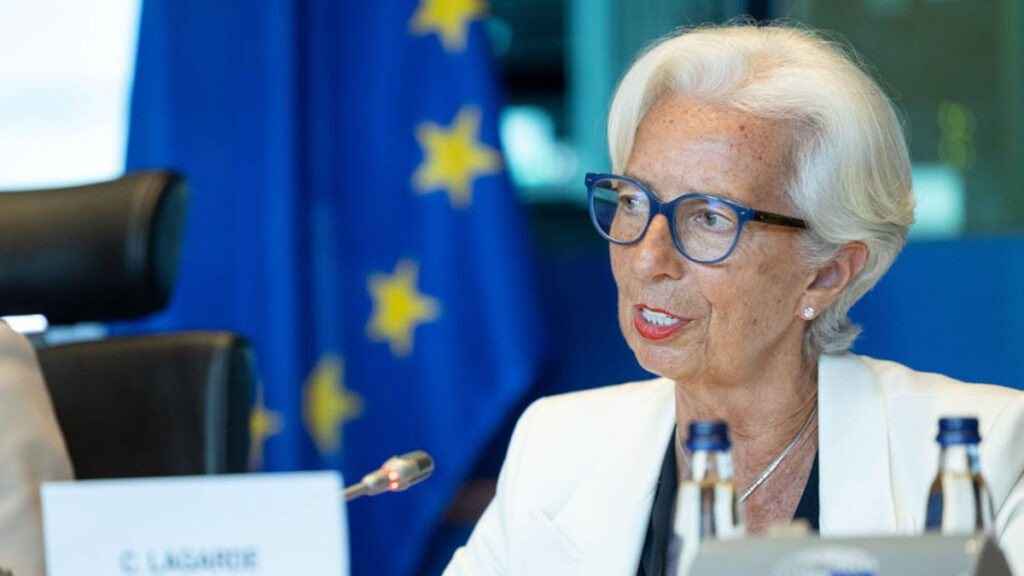
The energy shock triggered by the war with Iran is too large for monetary policy to ignore, European Central Bank President Christine Lagarde has said, while cautioning that a measured response remains the correct course to keep inflation under control.
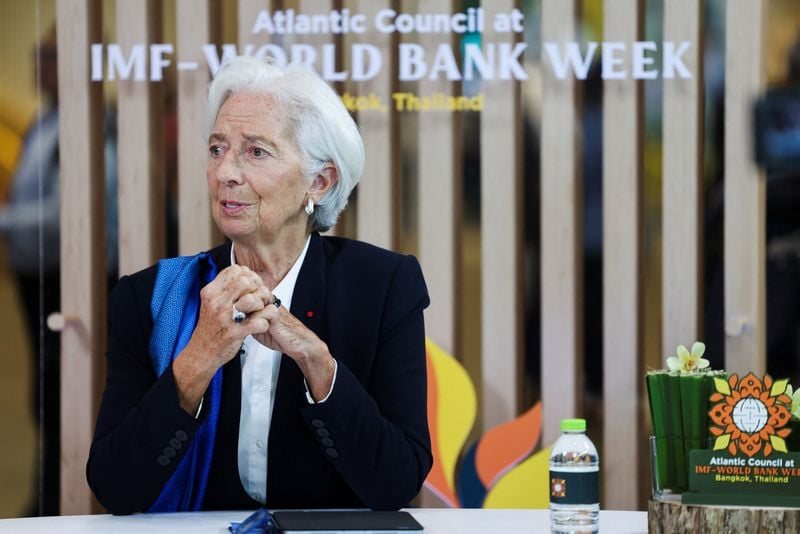
Speaking at a meeting in Bangkok, Lagarde indicated that the outlook points to higher inflation in the future, according to remarks reported by the ANSA news agency. Her comments place the ECB's inflation-fighting mandate squarely against the backdrop of a geopolitical energy disruption that is feeding through to prices.
The ECB president's warning comes as financial markets anticipate a further increase in interest rates, with the central bank on alert over both inflation and the rising cost of energy. The conflict with Iran has unsettled energy markets, and Lagarde's remarks suggest the ECB is treating the resulting price pressures as a material factor in its policy deliberations rather than a temporary disturbance.
Lagarde also said that rising bond yields and tighter financing conditions will slow economic growth in the euro area and limit the transmission of energy price increases into consumer prices. That assessment points to a dual effect from the energy shock: upward pressure on inflation alongside a drag on activity as borrowing becomes more expensive.
The combination leaves the ECB navigating between the need to contain inflation expectations and the risk that tighter financial conditions weigh on an already fragile growth outlook. Lagarde's emphasis on a measured reaction signals that the central bank is not inclined toward an abrupt policy shift, even as it acknowledges the scale of the energy shock.
For households and businesses across the euro area, the remarks underline that the cost of energy is likely to remain a central economic concern. Higher financing costs could cool demand and investment, while the pass-through of energy prices to consumers may be tempered by weaker economic momentum.
The ECB's stance will be watched closely by markets for signals on the pace of any further rate moves. Lagarde's comments suggest the central bank is prepared to act if inflation prospects deteriorate, but is seeking to avoid overreacting to a shock whose full effects are still working through the economy.
9