Society 4 min read By Arthur Ellington
Animal rights campaigners sue Met Police over wrongful Coronation arrests
Animal rights campaigners are suing the Metropolitan Police over arrests made before the coronation of King Charles III, alleging wrongful arrest, lengthy detention and intrusive searches.
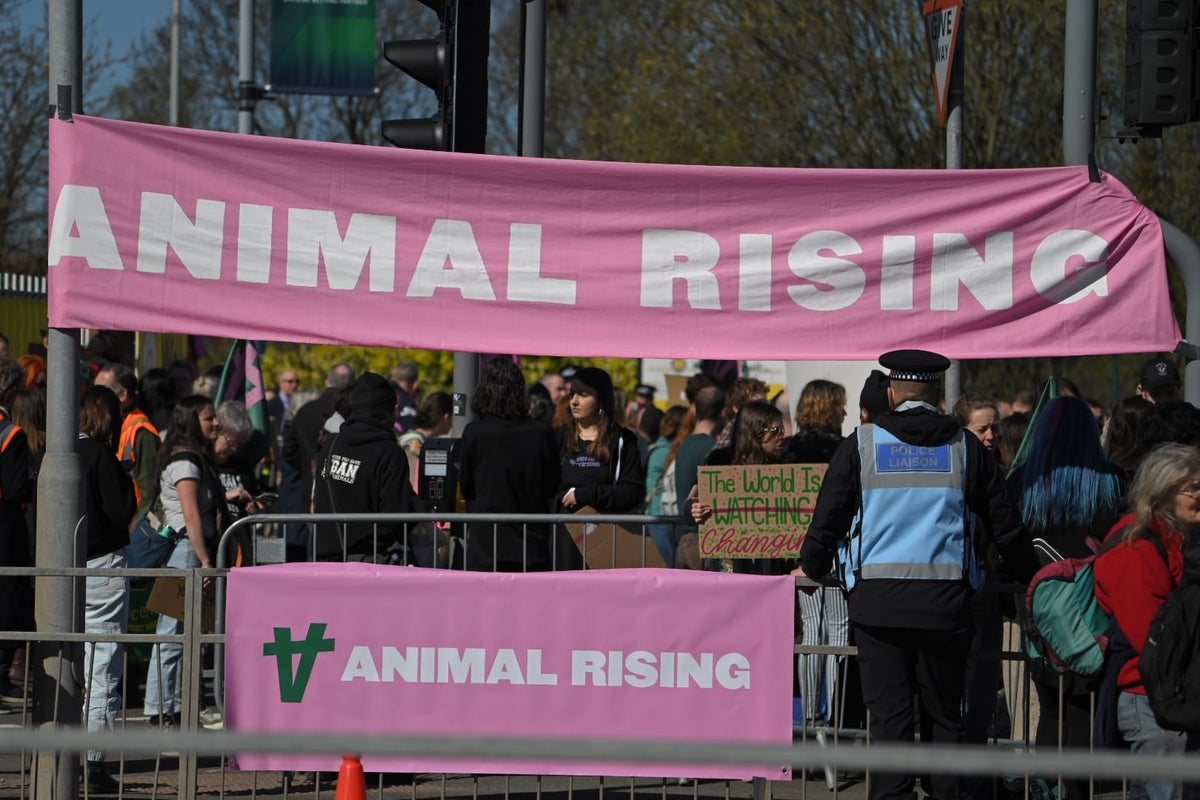
Animal rights campaigners are suing the Metropolitan Police over arrests made before the coronation of King Charles III, alleging that the arrests were wrongful and that those detained were held for up to 14 hours and subjected to full-body searches.
The legal action has been brought by supporters of the group Animal Rising. The campaigners were arrested in the period leading up to the coronation on suspicion of conspiracy to cause a public nuisance. The group says the arrests had no lawful basis and that the treatment of those detained went beyond what was necessary.
The coronation took place on 6 May 2023 amid a large-scale security operation in central London. Police officers were deployed in significant numbers to manage crowds, protect the ceremonial route and deal with any attempted disruption. The arrests occurred in that context, as officers sought to police demonstrations during a major national event.
The case focuses on the legal conditions that must be satisfied before an arrest is valid. Under English law, an arrest requires reasonable grounds for suspicion, held in good faith by the arresting officer, and the officer must also consider that the arrest is necessary. An arrest that does not meet those requirements can give rise to a civil claim for wrongful arrest.
The offence underlying the arrests is conspiracy to cause a public nuisance. This involves an agreement between two or more people to carry out acts that would cause significant harm or serious disruption to the public. The offence has become a familiar part of protest policing in England and Wales in recent years.
The campaigners argue that the police did not have sufficient information to suspect them of planning unlawful activity and that the decision to detain them was disproportionate. They also point to the way the arrests were carried out, saying that those held were subjected to full-body searches and kept in custody for up to 14 hours.
A full-body search is one of the more intrusive powers available to police officers. It may be used only when there are reasonable grounds to believe that a person is concealing something that could be connected with an offence. The campaigners' complaint is that the use of such searches, together with the length of their detention, was not justified.
The legal claim will now test whether the police had a proper basis for the arrests and whether the response was proportionate. The proceedings are likely to focus on the information available to officers at the time and on the decisions made by those who ordered or carried out the detentions.
Civil claims of this kind can result in compensation for people who have been arrested without proper legal grounds. They may also lead to what is known as a declaration that the arrests were unlawful. The case therefore carries wider implications for the policing of future demonstrations and state ceremonies.
The case adds to a broader debate about the use of public order powers against activists and about how the right to peaceful protest is balanced with the need to prevent serious disruption. Its outcome is likely to be carefully followed by civil liberties organisations and by police forces responsible for security at major events.