Economy 3 min read By Alice Ashford
China Set to Hold Loan Rates Steady for 16th Straight Month
China's loan prime rate is expected to remain unchanged in September, extending a pause that has lasted 16 months as authorities balance economic support against financial stability.
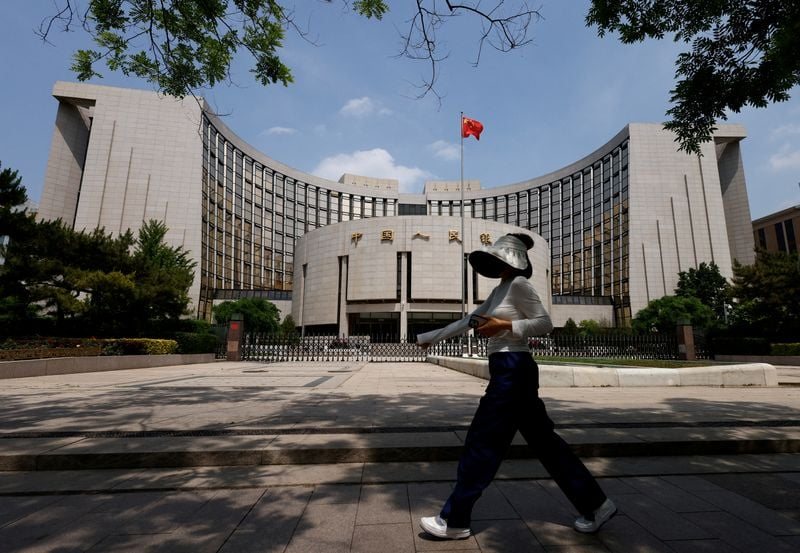
China is poised to keep its benchmark lending rates unchanged for a 16th consecutive month in September, according to market expectations, as the central bank refrains from further monetary easing despite persistent deflationary pressures and a fragile property sector.
The loan prime rate (LPR), which is set by a panel of commercial banks and serves as the reference for corporate and household borrowing, has not been adjusted since June 2023. The one-year LPR currently stands at 3.45%, while the five-year rate, a key benchmark for mortgages, is 3.95%. Both are widely expected to stay at those levels when the September fixing is announced.
The anticipated hold reflects a delicate balancing act for the People's Bank of China (PBOC). Policymakers are wary of cutting rates too aggressively, which could further weaken the yuan and strain bank profitability, even as they seek to support an economy still recovering from the pandemic and a deep property downturn. The PBOC has instead relied on other tools, including targeted lending programmes and modest liquidity injections, to keep credit flowing to key sectors.
Analysts note that the pause also gives authorities time to assess the impact of earlier stimulus measures, including a series of property market support policies and infrastructure spending pledges. With consumer prices barely rising and producer prices in deflation, some economists argue that more easing may eventually be needed. However, the central bank appears reluctant to act before the US Federal Reserve begins cutting rates, which would ease pressure on the yuan and create more room for manoeuvre.
The steady LPR outcome is likely to be welcomed by banks, which have seen their net interest margins squeezed by previous rate cuts and a surge in cheap mortgage refinancing. It also signals that Beijing is prioritising financial stability over aggressive growth boosting for now, even as it faces calls to do more to hit its annual growth target of around 5%.
Market reaction to the expected decision has been muted, with the yuan holding steady and government bond yields little changed. Investors will now turn their attention to upcoming economic data, including retail sales and industrial production, for clues on whether the world's second-largest economy is gaining momentum or needs another push from policymakers.