Technology 5 min read By Arthur Ellington
AI Data Centres Turn to PFAS as Water Cooling Falls Short
Chemical producers are expanding PFAS output to meet demand from data centre cooling, semiconductor manufacturing and battery materials, raising environmental and health concerns.
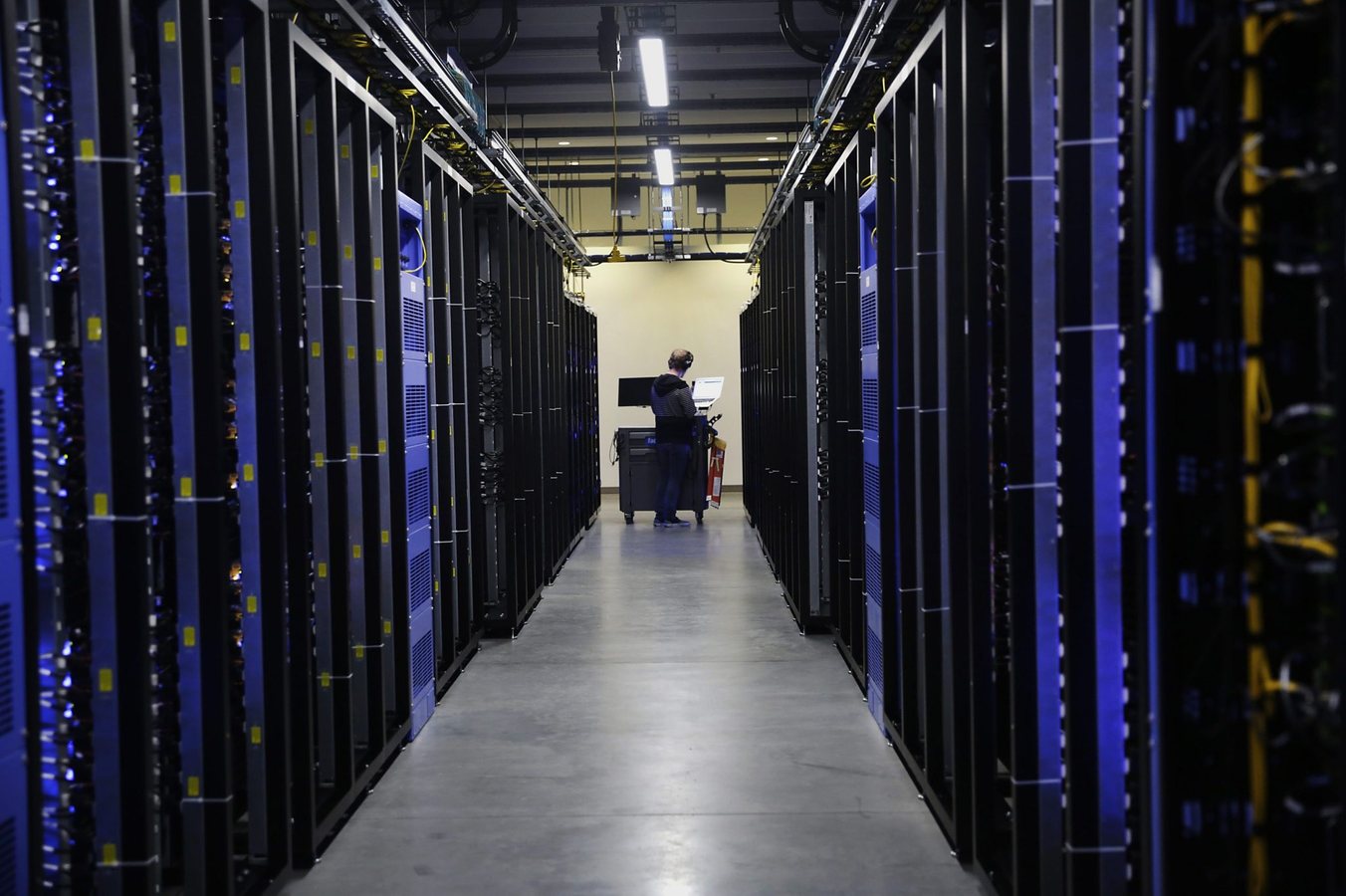
Major chemical companies are expanding production of PFAS, or «forever chemicals», to meet growing demand from the artificial intelligence boom, as data centre operators turn to fluorinated coolants to manage the intense heat generated by AI equipment. A new report from chemical watchdog ChemSec has found that most of the world's biggest PFAS producers are increasing capacity, driven by three main sources of demand: data centre cooling, semiconductor manufacturing and lithium-ion battery materials.
The shift marks a significant change in how data centres are cooled. Water usage has long been a central criticism of large-scale data centre development, and newer cooling systems are increasingly using fluorinated chemicals that include PFAS instead of water. The report identifies Japanese conglomerate Daikin, French materials manufacturer Arkema and American chemical company Chemours as among the major producers expanding output. Daikin plans to triple its PFAS capacity in response to semiconductor demand, while Arkema is expanding production in North America and Asia. Chemours produces or uses more PFAS substances than any other company on ChemSec's list, according to the watchdog's SIN Producers database, and is developing products intended for data centre cooling as it expands its production of PFAS refrigerants. ChemSec estimates that between half and two-thirds of Chemours' $5.8 billion revenue comes from PFAS production.
The environmental and health implications are substantial. PFAS are highly resistant to heat, a property that makes them useful in cooling systems, semiconductor manufacturing and industrial equipment, but their strong chemical bonds mean they do not degrade easily. Data from the National Health and Nutrition Examination Survey has found PFAS in the blood of 97% of Americans. A 2023 analysis by ChemSec estimated that the world's biggest makers of forever chemicals pulled in roughly $4 billion in profit in 2022, against an estimated $17.5 trillion a year in societal costs including healthcare, cleanup and contaminated water.
Data centre cooling has already become a battleground. In July, 17 environmental organisations submitted a letter to the Environmental Protection Agency urging it to reject Chemours' application to fast-track a new PFAS chemical, Opteon 2P50, for use in data centre cooling. The groups argued that Chemours had underestimated the compound's potential health and climate risks and that the available toxicological evidence was insufficient. «A hyperscale data center can contain hundreds of tanks, totaling tens of thousands of liters of dielectric fluid,» the letter said. «If even a small fraction of the Opteon 2P50 used in a large data center leaks, it would result in a significant release of PFAS gases.» Chemours has denied these concerns, saying the system operates as a «closed loop» and that the amount of gas escaping during operation is low. The company launched new refrigerants in August. Joseph Martinko, President of Thermal & Specialized Solutions at Chemours, said in a press release that AI is reshaping the demands placed on cooling infrastructure and that customers need solutions that can keep pace without compromising efficiency, reliability or long-term regulatory readiness.
The expansion comes as data centre construction continues to grow rapidly. A 2026 study from the commercial real estate trade association BOMA found that data centre facilities accounted for nearly 46% of private construction last year, compared with less than 5% a decade ago. The dollar value of data construction spending has also exploded, rising from $1.8 billion in 2014 to $41.1 billion last year, according to Statista. In France, 192 citizens and four environmental organisations filed a lawsuit against Arkema and Daikin in January over PFAS pollution allegations, citing concerns about a «chemical valley». Arkema said it «will defend itself before the court against the allegations contained in the summons» and has separately pushed back on related contamination claims. Daikin said it has «accelerated its investments» since 2022 to better control its PFAS emissions.