Economy 4 min read By Callum Montgomery
ECB's Vujcic Cools Oil-Fuelled Bets on Rate Hikes
ECB Governing Council member Boris Vujcic has pushed back against market expectations of near-term interest rate increases driven by rising oil prices, warning that the energy spike is unlikely to translate into sustained inflation and that the central bank should not overreact to a single commodity shock.
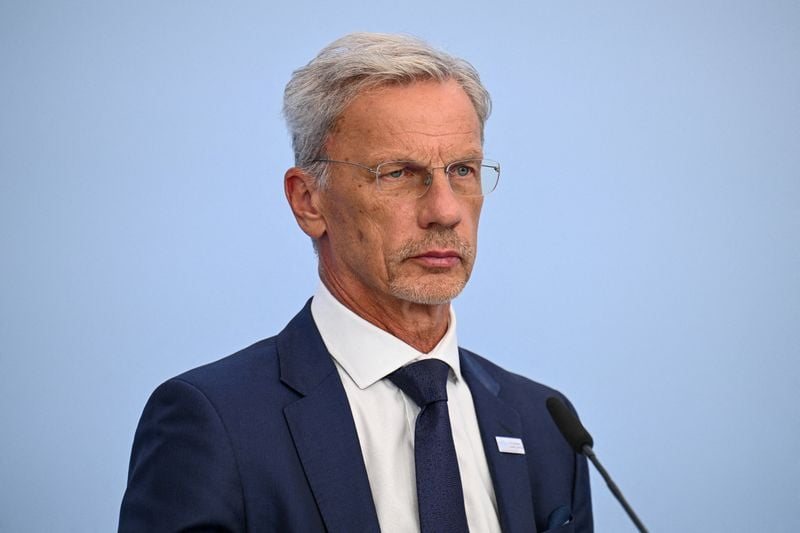
European Central Bank Governing Council member Boris Vujcic has moved to temper market expectations of imminent interest rate increases, arguing that the recent surge in oil prices is unlikely to generate the kind of persistent inflation that would justify tighter monetary policy. His intervention, made in an exclusive interview, signals that at least part of the ECB's rate-setting body remains cautious about responding to a single commodity shock with higher borrowing costs.
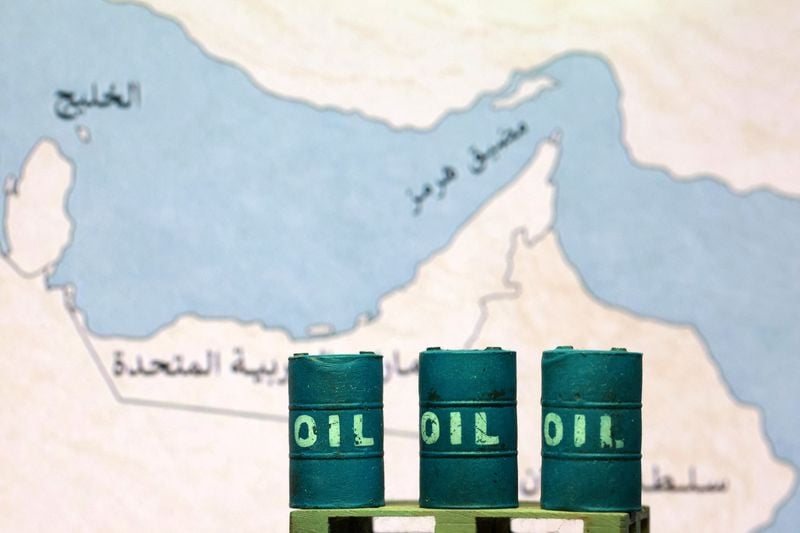
Oil prices have climbed sharply in recent weeks, prompting traders and some analysts to bring forward their forecasts for ECB rate hikes. The logic is straightforward: energy costs feed into transport, manufacturing, and household bills, pushing up headline inflation and potentially spilling over into wages and services. But Vujcic, who is also governor of the Croatian National Bank, suggested that this transmission mechanism is weaker than markets appear to assume, particularly when the oil price move is driven by temporary supply disruptions rather than sustained demand growth.
His comments matter because the ECB is navigating a delicate phase of its policy cycle. After a prolonged period of restrictive rates, the central bank has been edging towards easing, with inflation in the euro area having retreated from its earlier peaks. Any suggestion that the ECB might reverse course and hike again would unsettle bond markets, strengthen the euro, and complicate the calculations of governments and businesses planning investment on the assumption of gradually falling financing costs.
Vujcic's position is not necessarily shared across the Governing Council. Some policymakers have warned that underestimating energy-driven inflation risks repeating past mistakes, when central banks were slow to respond to price pressures that proved more durable than expected. That debate is likely to intensify if oil prices remain elevated through the coming months, particularly as geopolitical tensions continue to threaten supply routes.
For the UK, the ECB's stance carries indirect but meaningful implications. Sterling's exchange rate against the euro is sensitive to relative interest rate expectations, and British exporters selling into the euro area face a competitive landscape shaped by the cost of capital on the continent. If the ECB holds off on rate increases, euro-area demand may prove more resilient than it would under a tightening cycle, offering some support to UK trade at a time when domestic growth remains subdued.
Financial markets have already begun to adjust. Euro-area government bond yields, which had risen on the back of hawkish rate bets, eased following Vujcic's remarks. The euro gave back some of its recent gains against the dollar. Traders are now pricing a lower probability of a near-term hike, though expectations remain volatile and data-dependent.
The ECB's next policy meeting will be scrutinised for any shift in language around energy prices and inflation persistence. Vujcic's intervention suggests that the bar for a rate increase remains high, and that the central bank would need to see evidence of second-round effects — higher wages, rising services inflation, or unanchored inflation expectations — before changing course. For now, the message from at least one influential voice on the council is clear: a spike in oil is not, by itself, a reason to tighten.