
Politics 6 min read By Callum Montgomery
Jenrick avoids answering questions on Cottrell donation transfers to Reform UK
Robert Jenrick refused to explain why George Cottrell transferred $2m to his mother days before she made substantial donations to Reform UK, insisting the party followed all rules.
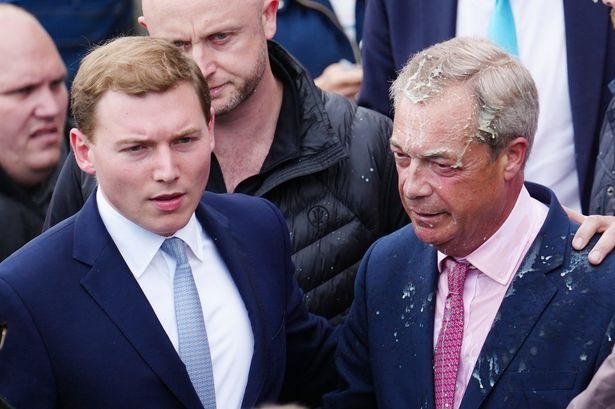
Robert Jenrick has declined to explain why George Cottrell, a former adviser to Nigel Farage, transferred $2m to his mother just days before she made substantial donations to the Reform UK party. Speaking at a press conference, the Reform UK leader said he was « confident » that the party had followed all electoral laws, but deflected further questions about the transaction to Mr Cottrell himself.
The revelation, first reported by the Guardian, has intensified scrutiny of Reform UK’s finances. It emerged that Fiona Cottrell, George Cottrell’s mother, received a $2m transfer from her son shortly before she donated a significant sum to the party. The timing of the transaction has raised questions about whether the donation was an attempt to circumvent restrictions on political funding, which ban foreign donors from contributing to UK parties.
Mr Jenrick told reporters: « Reform UK is certain that all the rules were followed in relation to donations. Any questions about George Cottrell’s personal financial arrangements would have to be directed to him. » He added that it seemed « curious » that the Metropolitan Police had chosen not to take action over the transfer, while the force had investigated other matters, including a social media post involving a T-shirt. « I’m hearing today that the police may have closed that investigation as well, » Mr Jenrick said.
The Metropolitan Police have confirmed they are looking into whether Reform UK donors might have circumvented restrictions on the sources of political funding. The force has been examining the party’s finances amid growing concern about the origin of donations received in recent months. Reform UK has come under repeated fire over its funding, with critics accusing it of lacking transparency.
George Cottrell is a controversial figure with a criminal past. In 2016, he pleaded guilty in the United States to charges related to money laundering and blackmail, receiving a suspended prison sentence. He later worked as an adviser to Nigel Farage, the former leader of the UK Independence Party and a key figure in the Brexit campaign. His involvement in Reform UK’s donation chain has drawn particular attention given his history.
Labour and other opposition parties have seized on the revelations to call for a full investigation. A Labour spokesperson said: « The British public deserve to know who is bankrolling Reform UK. These extraordinary transfers raise serious questions about whether the party is complying with electoral law. » The Liberal Democrats have also demanded that the Electoral Commission launch a formal inquiry.
The controversy comes at a difficult time for Reform UK, which has been trying to position itself as a credible alternative to the Conservatives and Labour. The party has seen a surge in support in opinion polls, but questions over its finances threaten to undermine its message. Mr Jenrick, who took over as leader earlier this year, has sought to project an image of professionalism and transparency, but the Cottrell affair has tested that narrative.
Under UK electoral law, political parties are prohibited from accepting donations from foreign entities or individuals who are not registered to vote in the country. Donations must come from permissible sources, such as individuals on the electoral roll, UK-registered companies, or trade unions. The timing of the transfer from George Cottrell to his mother has led to suspicions that it was structured to avoid these restrictions, although no formal allegations have been made.
Mr Jenrick’s refusal to engage directly with the question has done little to quell the controversy. Political analysts note that his evasive response may fuel further speculation about the party’s financial practices. « By not answering the question, Mr Jenrick is allowing the story to continue to run, » said Professor Tim Bale of Queen Mary University of London. « Voters will want to know whether Reform UK’s hands are clean. »
The Metropolitan Police have not commented on the specific transaction between Mr Cottrell and his mother, but their broader inquiry into Reform UK’s donations remains ongoing. It is understood that the force is examining a range of financial records and speaking to individuals connected to the party. No arrests have been made, and the party maintains that it has cooperated fully with the investigation.
As the story develops, pressure is mounting on Mr Jenrick to provide clearer answers. The coming weeks are likely to see further scrutiny of Reform UK’s funding, with potential implications for the party’s electoral prospects. For now, the leader’s evasiveness has only deepened the questions surrounding a party that promises to clean up British politics.