Politics 4 min read By Alice Ashford
GOP senators see Trump as midterm drag with Texas seat in play, reports say
Republican senators reportedly fear that President Trump's push for voter ID laws and a «slush fund» controversy could harm the party in the midterms, with even the Texas Senate seat potentially competitive.
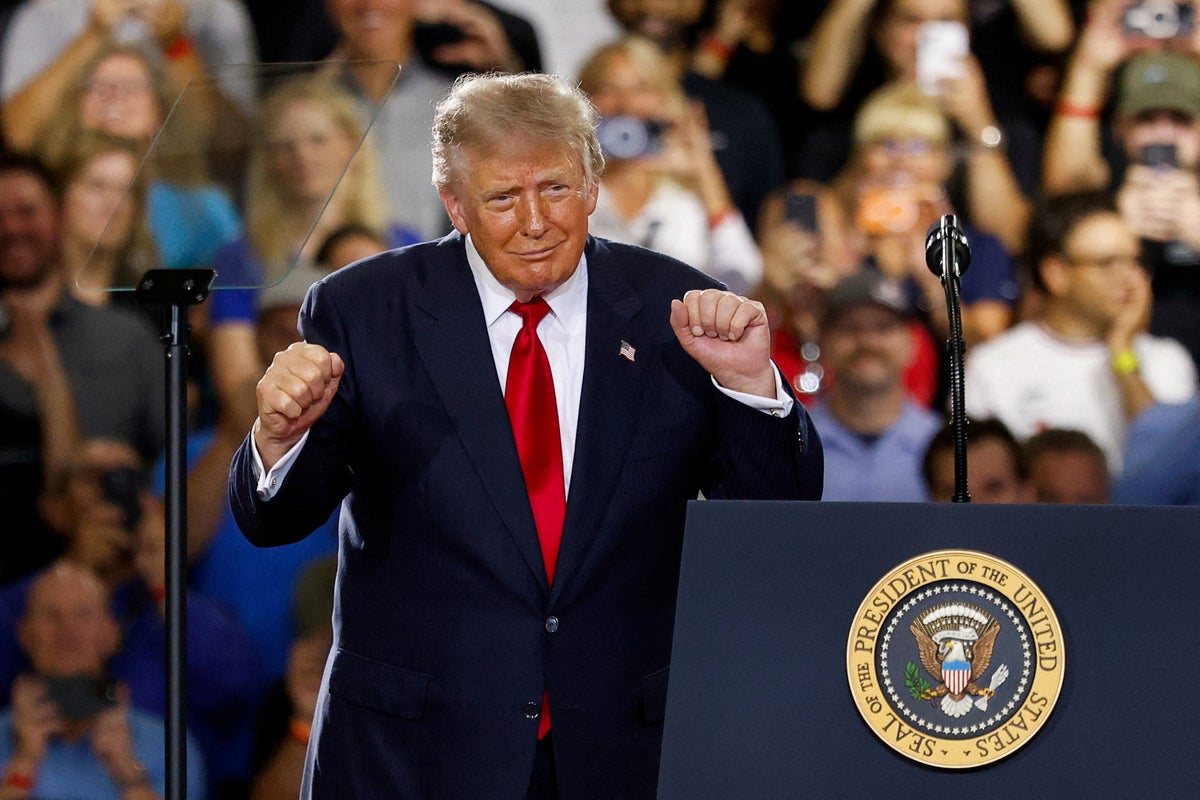
Republican senators are increasingly viewing President Donald Trump as a political liability ahead of the US midterm elections, with concerns running so deep that even the party's hold on Texas's Senate seat is seen as potentially vulnerable, according to new reports.
The concerns centre on two issues associated with the president: his push for stricter voter identification laws and what the reports describe as a «slush fund». Republican incumbents and challengers reportedly fear that both controversies could energise Democratic opponents and depress support among the swing voters the party needs to hold competitive seats.
The prospect of a competitive race in Texas is particularly alarming for the GOP. The state has not elected a Democrat to the Senate in decades and is normally treated as a safe Republican stronghold, allowing the party to focus its resources on battleground states. The fact that party figures are now reportedly worried about Texas signals how uncomfortable the political environment has become.
Voter ID legislation has long been a flashpoint in American politics. Supporters of such measures argue they are necessary to protect the integrity of elections and prevent fraud. Critics, however, say the requirements disproportionately affect minority, younger and lower-income voters, who are more likely to lack the accepted forms of identification. The reports suggest that Republicans are bracing for the issue to be used against them on the campaign trail, even as the president continues to champion it.
The so-called «slush fund» controversy adds a further layer of unease. Although the details remain unclear in the reports, Republican strategists are said to be worried that Democratic candidates will seize on it as evidence of corruption or mismanagement in Washington. In an election cycle defined by economic anxiety and restiveness among voters, any association with scandal could prove costly at the ballot box.
Midterm elections are traditionally difficult for the party that controls the White House, and the current cycle appears to be no exception. With control of the Senate potentially at stake, a strong Democratic performance could reshape the legislative agenda in Washington. A loss in Texas, long considered beyond reach for Democrats, would be a historic upset and would almost certainly eliminate any realistic path to a Republican majority.
The reports indicate that the anxiety is not limited to the most marginal seats. Even senators who have enjoyed comfortable margins in previous elections are said to be paying close attention to the national mood. The president's influence over the party's base remains significant, but his broader appeal is increasingly viewed with scepticism by those who must defend their seats in a hostile climate.
Democratic operatives, for their part, are likely to welcome any sign of Republican vulnerability. The party has shown in recent cycles that it is prepared to invest heavily in states it once ignored, and Texas, with its growing urban and suburban populations, has become a tempting target. Whether those efforts bear fruit in the coming elections remains to be seen, but the reported concerns among Republican senators suggest that the party is no longer taking any seat for granted.
For Republicans, the challenge is to distance themselves from the controversies surrounding the president without alienating the loyal voters who make up their base. It is a difficult balance, and the reports suggest that many in the party believe the White House is making it harder with each new controversy. The coming months will show whether those worries are justified — or whether the party can rally its supporters despite the headwinds.